

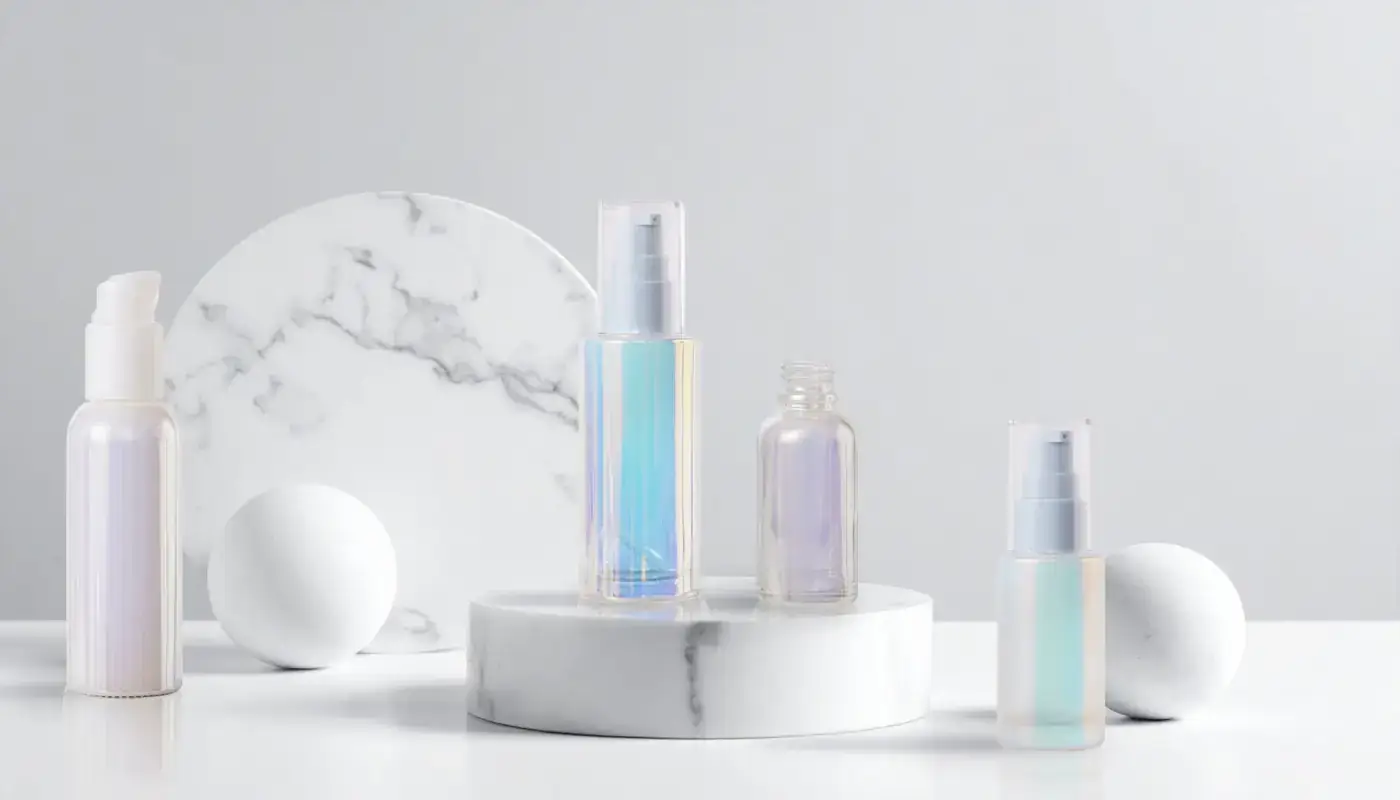
This guide covers the seven surface treatments Evergreen Resources offers across glass, plastic, and metal. For ink applied directly to the container, see our Printing Methods Guide. For foil, relief, decals, and in-mold labels, see our Transfers & Embossing Guide.
What’s in this guide:
- Why surface treatment is a procurement decision, not just a design one
- Comparison table
- The seven surface treatments
- Combining surface treatments with other techniques
- How to choose: a five-step framework
- Sustainability & recyclability considerations
- Get the surface right the first time
While printing puts the message on a package, surface treatment decides what the package feels like in the hand and how it catches light on a shelf — which is most of what a shopper reads as value or luxury before a single word registers.
It’s also the layer most often specified last, after the artwork is locked. That ordering is backwards. A coating changes the substrate the artwork sits on, it has to be sequenced against every other decoration step, and some routes require a molding run rather than a finishing pass.
Why surface treatment is a procurement decision, not just a design one
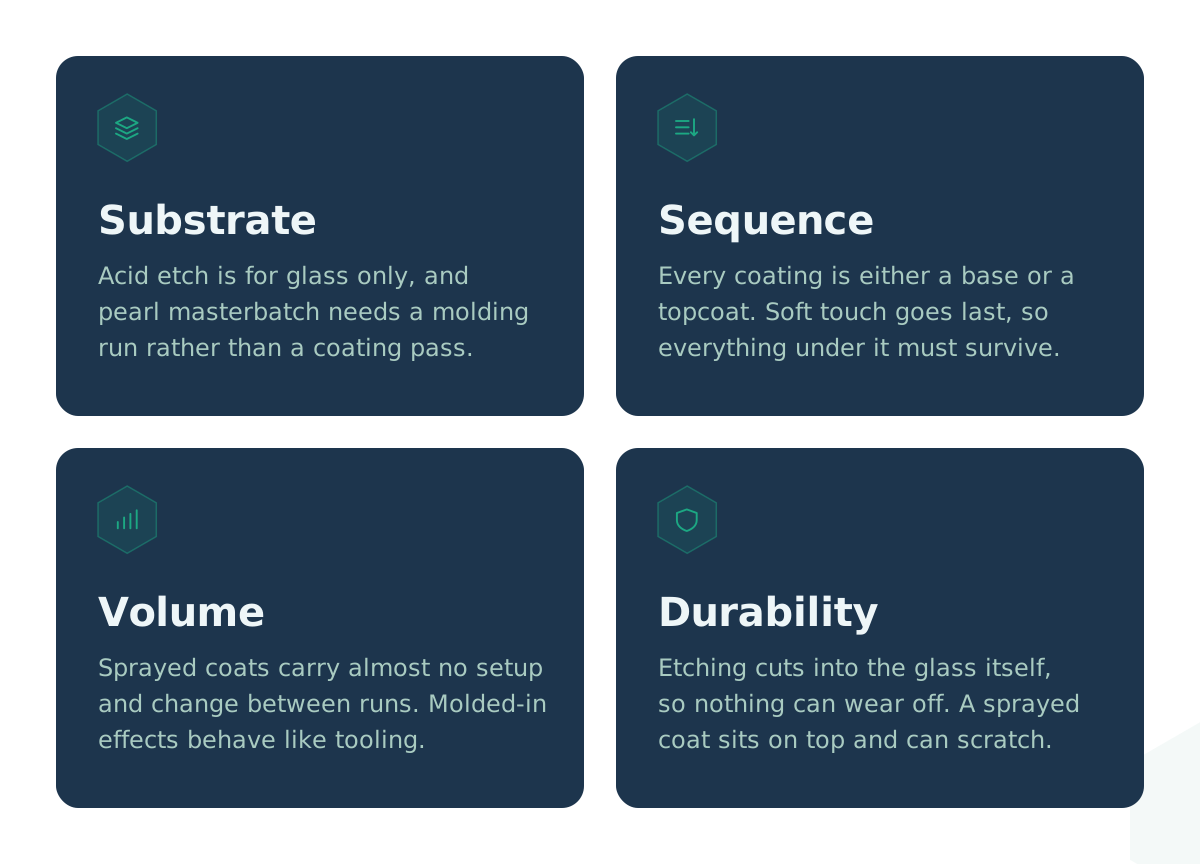
Every surface treatment sits at the intersection of four constraints:
- Substrate. Glass, plastic, and metal accept different processes. Acid-etched frosting is a glass technique — on plastic you get a sprayed imitation, not the same thing. Pearl can be blended into plastic resin but only sprayed or printed onto glass and metal. Getting this wrong wastes sampling cycles before a proof is approved.
- Sequence. This is the constraint that separates surface treatment from every other decoration category, and it is usually the one that causes trouble. Coatings are either a base the artwork sits on or a topcoat that protects it, and the order is not interchangeable. Soft touch is applied last to preserve the tactile effect, which means every printing and foil step has to survive underneath it. Plan the stack before you plan the artwork.
- Volume and MOQ. Sprayed and dipped coatings carry very little setup, which makes them viable at low volume and easy to change between runs. Routes that happen during molding — pearl masterbatch in particular — require a molding run and can’t be applied to stock containers, so they behave like tooling decisions rather than finishing decisions.
- Durability and handling. A coating sits on the outside of the pack and can wear away. Etching cuts into the glass itself, so there is nothing sitting on top to wear off. That difference decides whether a treatment survives a filling line, a shipping case, and a bathroom shelf, and it is the main reason two treatments that look identical on a sample can perform very differently in the field.
Evergreen builds decoration into production rather than treating it as an afterthought, with dielines for all product categories, digital artwork proofing in 3 business days, physical color samples in 7–14 business days, and QC engineers onsite at every production. That integration matters most here, because surface treatments are almost never used alone — they are the layer above or below everything else.
Comparison table
The table below summarizes how each treatment maps to substrate, visual effect, relative cost, durability, and best use case. "Relative cost" reflects typical setup plus unit economics; costs fall at higher volume, though less dramatically here than in printing, because most of these are per-unit processes rather than plate-driven ones.
| Technique | Glass | Plastic | Metal | Visual effect | Relative cost | Durability | Best for |
|---|---|---|---|---|---|---|---|
| Color spray | varnish | Glossy/matte/gradient color coat | Low–moderate | Moderate | Gradients, opacity, base coats | ||
| Soft touch | Velvety matte, non-slip | Moderate | Moderate–high | Premium personal care/beauty | |||
| Matte finish | Non-reflective, understated | Low–moderate | Moderate | Minimalist/modern lines | |||
| Frosted (acid etch/spray) | etch | spray | Translucent matte, diffused light | Moderate | High (etch) | Luxury fragrance/skincare glass | |
| Pearl finish | Iridescent shimmer | Moderate | Moderate–high | Cosmetics, prestige beauty | |||
| Optical coating | Color-shifting/shimmer | High | Moderate | Luxury, editorial statement packs | |||
| Metallization (electroplate/vacuum/wrap) | is metal | Mirror/brushed metallic | High | Moderate–high | Prestige caps, fragrance, spirits |
Metallization deposits a metal layer onto a non-metal, so it does not apply to a metal container. Optical coating is marked unavailable rather than not applicable: color-shifting finishes do exist on metal, but metal packaging is litho-printed on flat sheet before forming, so the effect is achieved with holographic hot-stamping foil or pearlescent litho ink instead.
The seven surface treatments
Color spray
Color spray atomizes a coating evenly over the container and cures it, available in glossy, matte, soft-touch, and gradient finishes. It's a flexible way to add color, opacity, or a gradient (ombré) base that other decoration is then applied over. Because the color sits on the outside of the container rather than in the material, it can deliver shades that would be expensive or impossible to achieve in the glass or resin itself, and it lets one stock container serve several SKUs.
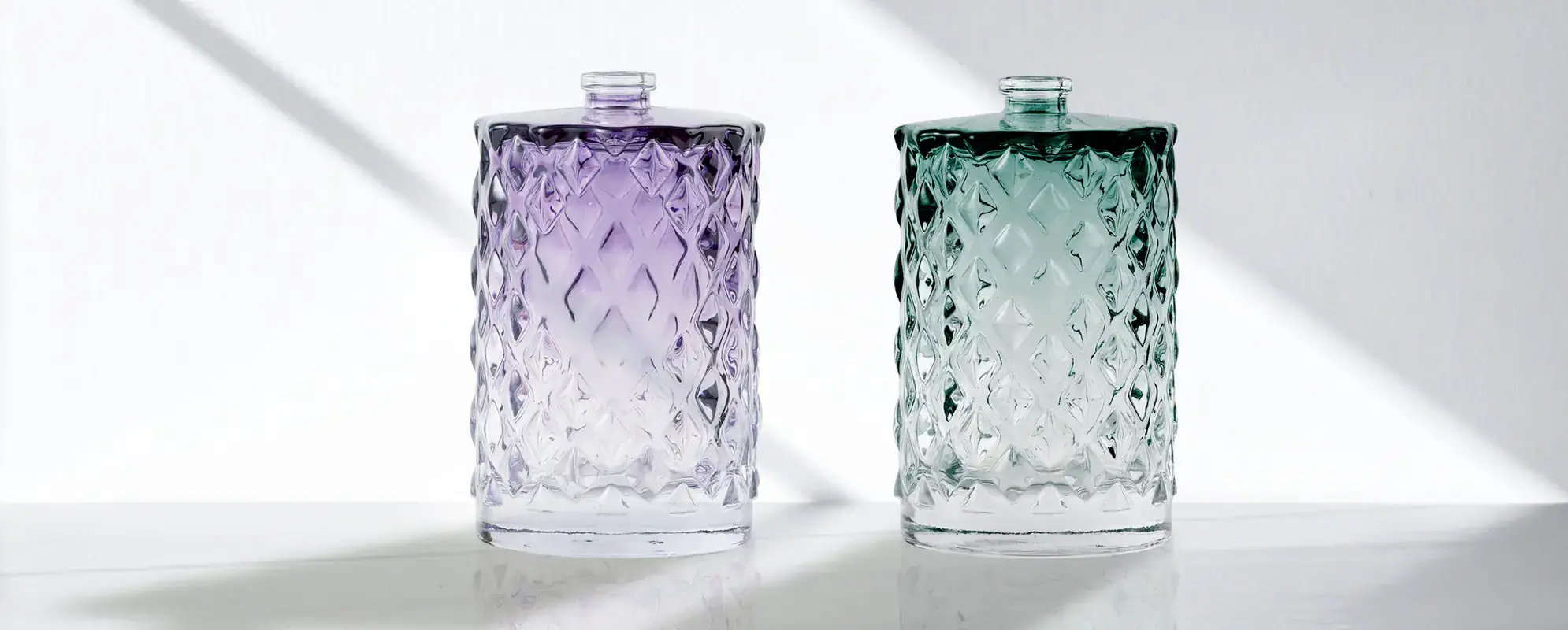
When it's applicable: glass and plastic bottles and jars that need full-body color, opacity over a clear container, or an ombré effect; fragrance, beauty, and personal care. It's also the default base layer whenever another technique will be printed or stamped on top.
Limitations: sprayed coatings are less durable under heavy handling than integrated color, and gradients need tight process control to repeat consistently across a run.
Pairs with: almost everything — it is most often the base beneath silkscreen, a hot-stamped accent, or a metallized cap.
To learn more about the advantages, manufacturing process, and product applications, visit our page on Color Spray.
Soft touch
Soft touch is a spray or roller coating that creates "a velvety, matte texture," resisting fingerprints, scratches, and moisture while delivering a premium tactile feel. Evergreen offers it on plastic, glass, and metal, and notes it "pairs well with other decoration methods such as silk screen printing, hot stamping, and embossing," often applied last "to preserve the tactile effect."
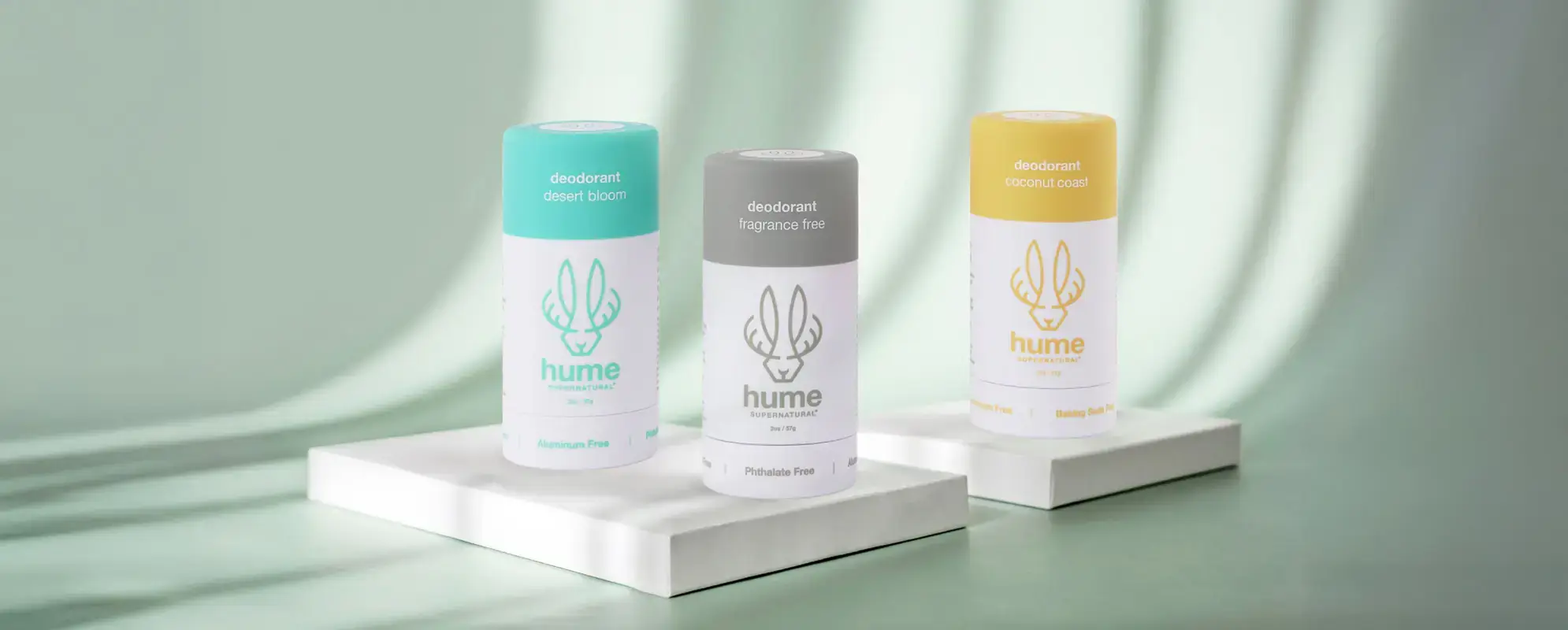
When it's applicable: prestige personal care, cosmetics, and fragrance; anything where the in-hand experience is part of the brand, and anywhere a non-slip surface is a functional benefit as well as a sensory one.
Limitations: adds a coating step and cost, and because it goes on last, every layer beneath it has to be specified with that in mind.
Pairs with: silkscreen, offset, hot stamping, and embossed relief — soft touch over a raised logo is a common prestige build.
To learn more about the advantages, manufacturing process, and product applications, visit our page on Soft Touch.
Matte finish
A matte lacquer applied by spray, dip, or curtain coating yields a smooth, non-reflective surface, cured by UV, heat, or air. It can cover the full container or be applied selectively, so a "spot matte" panel reads against surrounding gloss — or the reverse, a gloss detail against a matte body. Because it's a coating rather than a treatment of the substrate itself, the same process works across glass, plastic, and metal without changing the container.
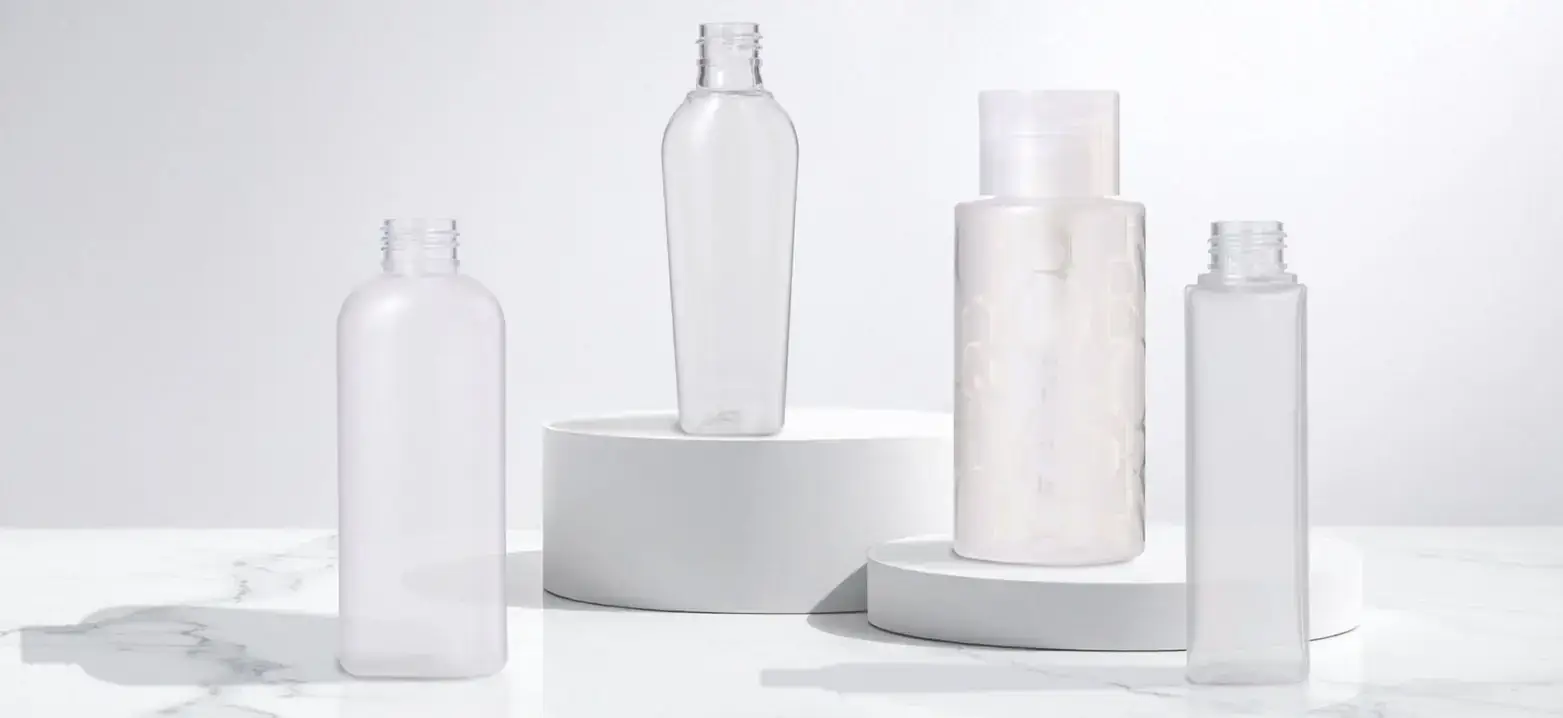
When it's applicable: minimalist and clean-beauty lines across all three substrates; also any pack where glare off a glossy surface is competing with the graphics or making fingerprints obvious. It's one of the least expensive ways to lift a stock container out of looking generic.
Limitations: less premium in the hand than soft touch, and the gap is obvious when the two sit side by side on shelf.
Pairs with: selective gloss varnish, hot stamping, and screen printing sequenced before or after depending on the effect.
To learn more about the advantages, manufacturing process, and product applications, visit our page on Matte Finish.
Frosted
On glass, frosting is achieved by acid etching or sandblasting to create "a uniform, matte surface" that "diffuses light," resists fingerprints, and improves grip; on plastic, the equivalent is a frosted spray coating. That distinction matters for durability: etching cuts into the glass itself, so there is nothing on the surface to scratch or wear off, while a sprayed frost is a coating that can wear away. Selective masking lets you frost some areas and leave others clear or decorated, which is how brands get a clear fill-level window over an otherwise frosted body.
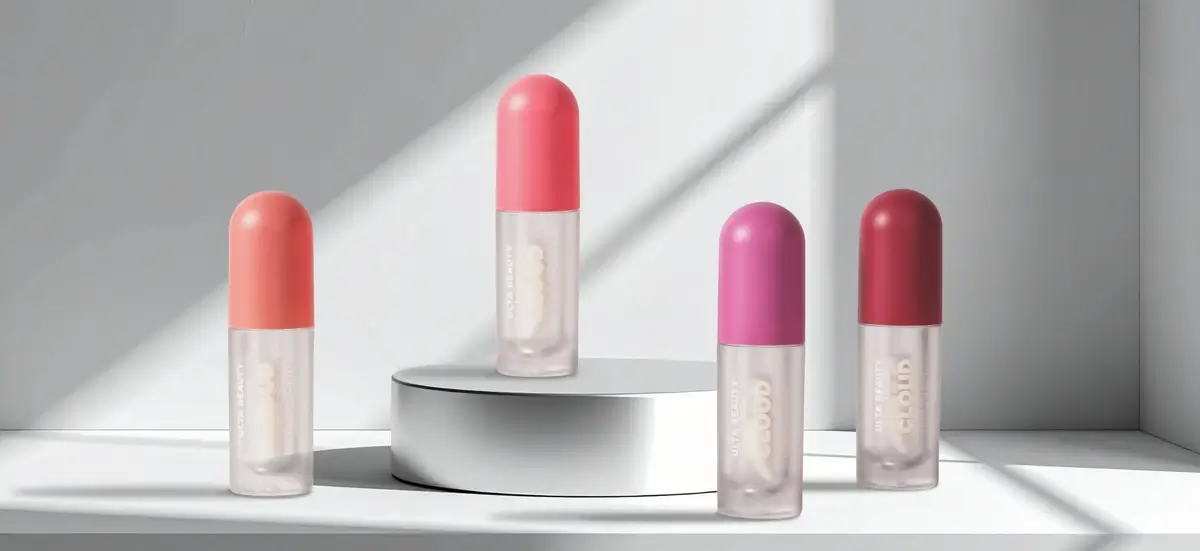
When it's applicable: luxury fragrance, skincare, and spirits in glass, and any product where softening the view of the contents is part of the appeal; the improved grip is a practical bonus in wet environments like bath and shower.
Limitations: acid-etch frosting is a glass-only process and adds cost and handling steps; the sprayed plastic version delivers the look but not the permanence.
Pairs with: silkscreen or a decal over the frost, a hot-stamped accent, and selective masking to hold clear windows.
To learn more about the advantages, manufacturing process, and product applications, visit our page on Frosted
Pearl finish
Pearl finish imparts "a soft, iridescent sheen" through one of three routes, chosen by substrate: masterbatch integration, where pearlescent pigment is blended into the plastic resin before molding; spray coating, on glass or plastic; or pearlescent ink printed by offset, on metal. A clear topcoat — glossy, matte, or soft-touch — can be applied over the sprayed and printed versions to boost durability.
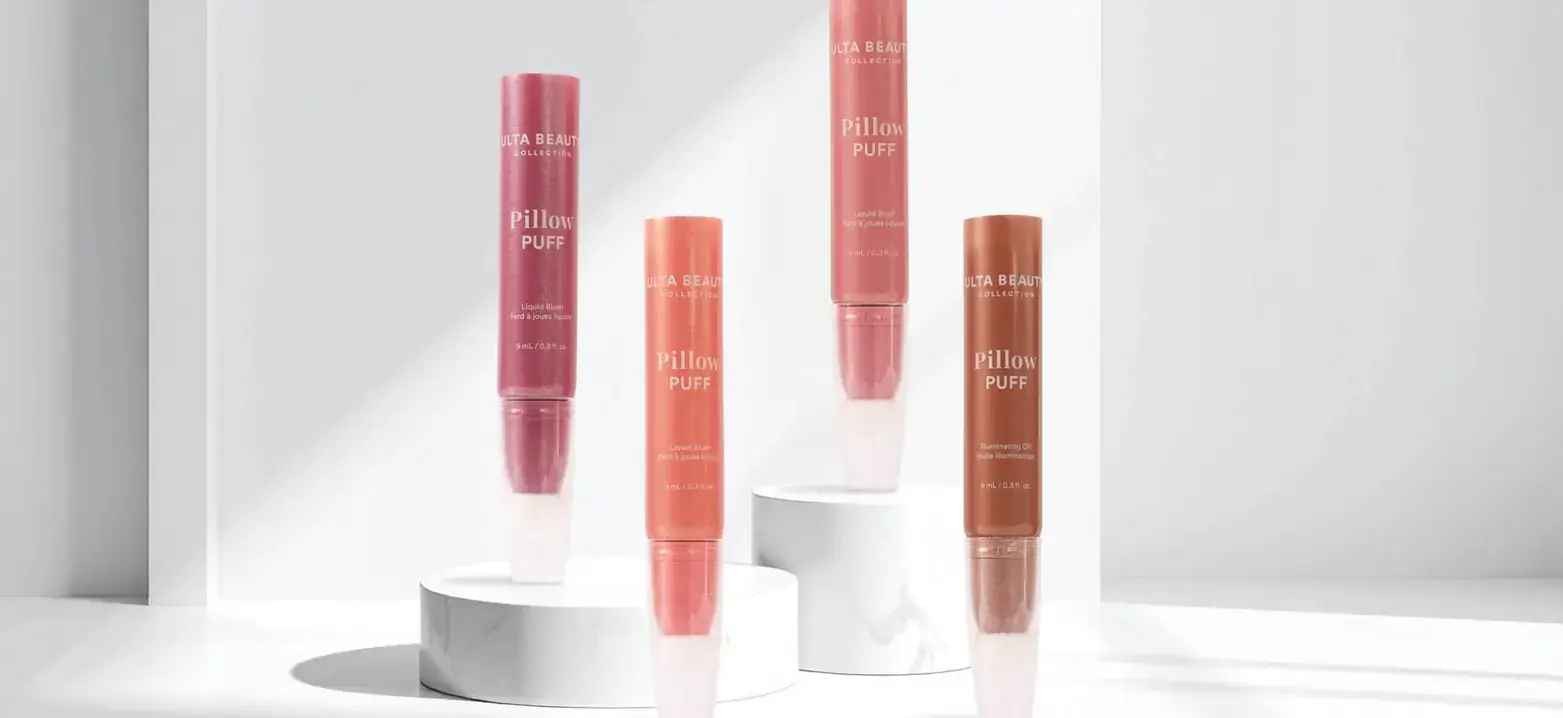
When it's applicable: cosmetics and prestige beauty that want shimmer without the cost or recyclability trade-offs of full metallization; the masterbatch route is worth the molding commitment when the effect has to be permanent and scratch-proof.
Limitations: the effect varies noticeably by substrate and method, so specify which route you're buying rather than simply asking for "pearl"; masterbatch requires a molding run and can't be applied to stock containers.
Pairs with: a soft-touch or gloss topcoat, silkscreen, and hot-stamped accents.
To learn more about the advantages, manufacturing process, and product applications, visit our page on Pearl Finish.
Optical coating
Optical coating "creates a dynamic, light-interactive surface with color-shifting or shimmering effects," adding visual depth and luxury appeal. The finish changes with viewing angle and lighting, so the same pack reads differently under store lighting, in daylight, and on camera. That makes it a statement finish for prestige and editorial packs rather than a workhorse for a core line.
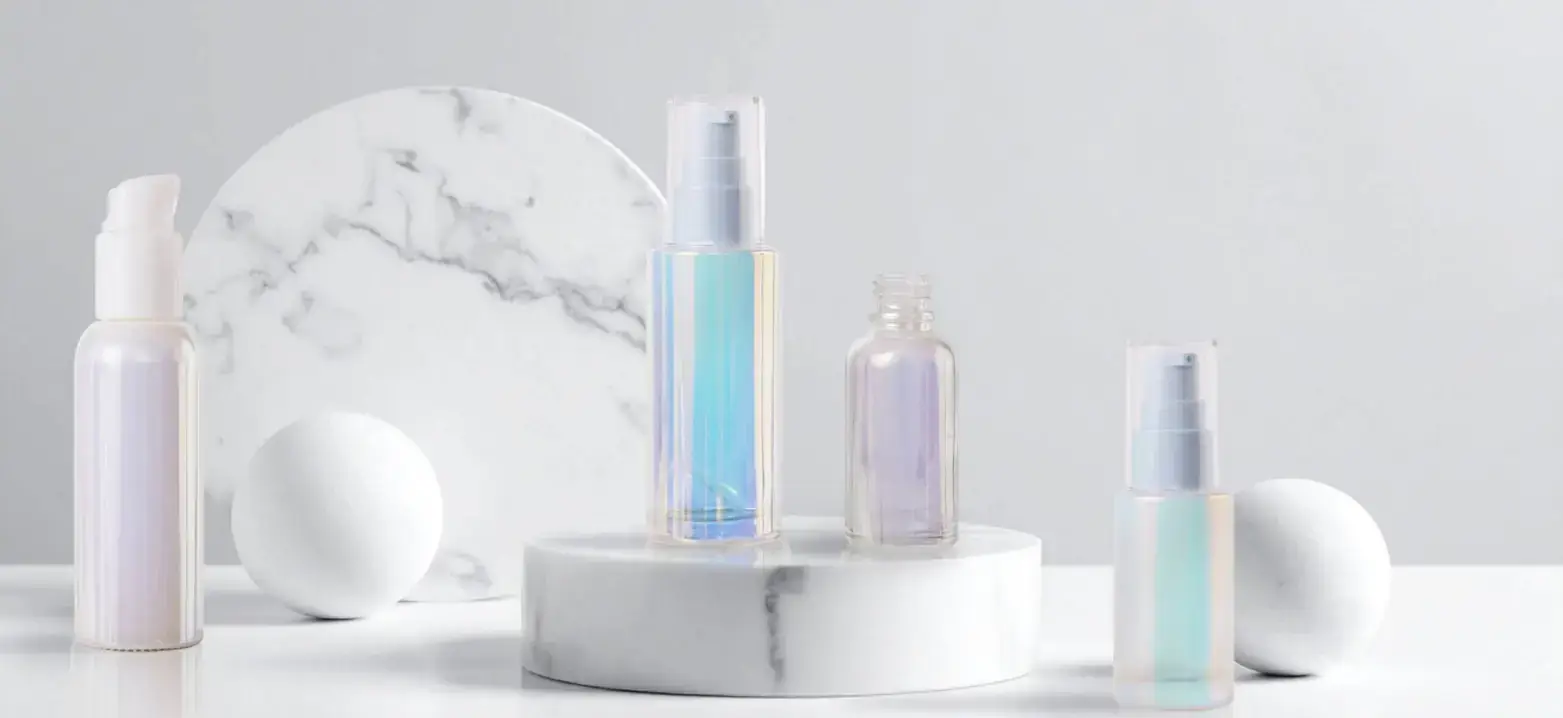
When it's applicable: luxury launches, limited editions, and hero SKUs where shelf drama and press photography justify the cost; particularly useful when the container itself has to carry the launch rather than the graphics.
Limitations: among the most expensive treatments covered here, and the effect is difficult to represent accurately in flat artwork or e-commerce imagery, so approve physical samples before committing.
Pairs with: minimal accents — a small hot-stamped or screen-printed logo is usually enough; let the coating be the star.
To learn more about the advantages, manufacturing process, and product applications, visit our page on Optical Coating.
Metallization
Metallization applies a thin metal layer to non-metals for a "high-gloss, reflective" or brushed metallic look. Evergreen uses two families: mechanical metal wrap (a formed metal shell fitted over a molded plastic core) and direct metal deposition via electroplating (an electric bath builds a durable chrome or nickel layer over a conductive base coat) or vacuum metallization (aluminum is vaporized in a chamber and condensed onto the part). A protective topcoat adds scratch and chemical resistance. Evergreen specializes in "precision metal wrap and vacuum metallization for plastic and glass components," and it is widely used in personal care, cosmetics, and wine and spirits.
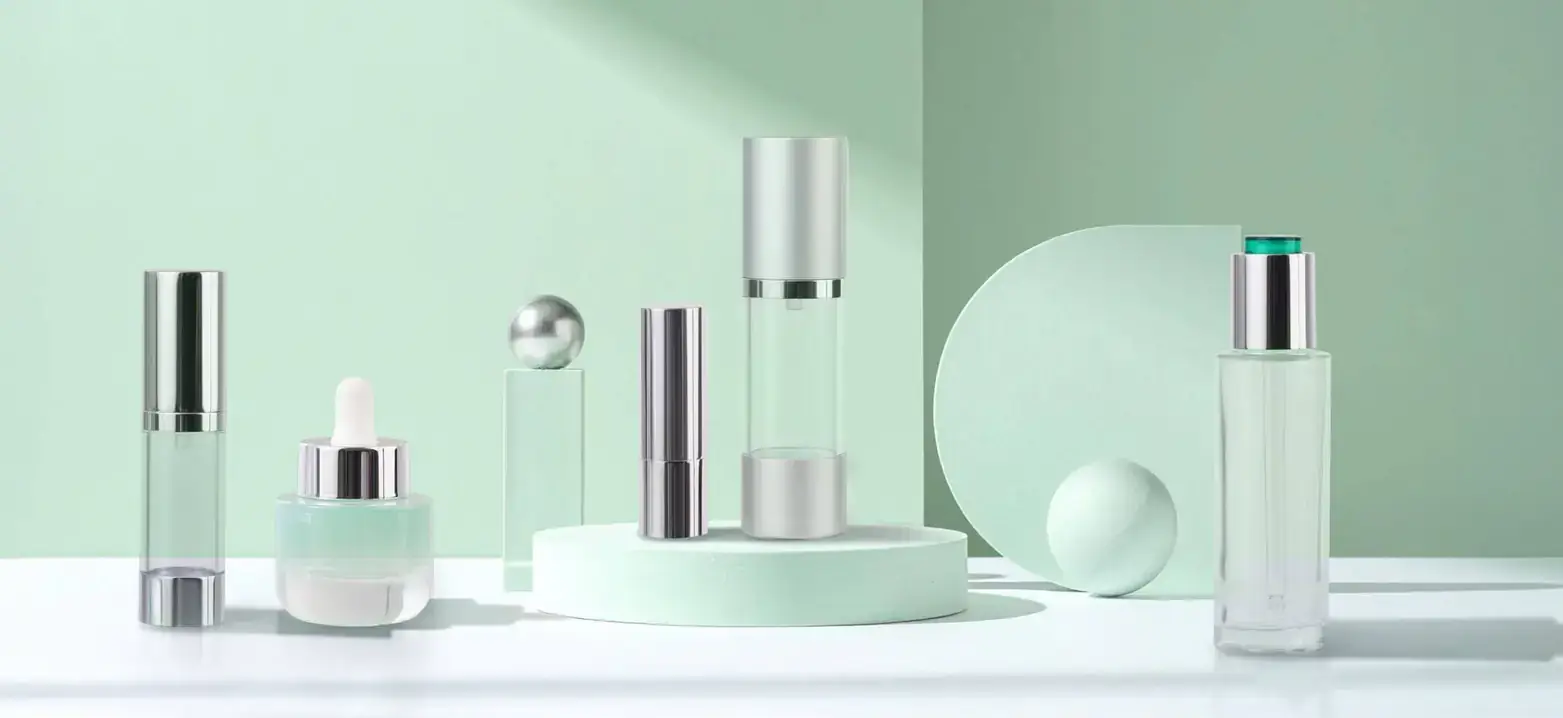
When it's applicable: prestige caps, closures, fragrance, and spirits that demand a true metallic look without the cost or weight of a metal part.
Limitations: higher cost and process complexity than any other treatment here, and coverage has recyclability implications worth reviewing before tooling (see below).
Pairs with: pad printing or hot stamping over the metallic surface — pad print is one of the few processes that marks a plated cap cleanly — plus color-spray tints to shift the metal's hue.
To learn more about the advantages, manufacturing process, and product applications, visit our page on Metallization.
Combining surface treatments with other techniques
The most memorable packs almost never rely on a single technique. Evergreen explicitly supports multi-technique decoration — "combining techniques on a single package is common, particularly for premium personal care and beauty products" — and coordinates the sequencing so each layer survives the next. Surface treatments are unusual in that they can occupy either end of the stack, as a base or as a topcoat, and occasionally both.
Combining two surface treatments
- Color spray gradient + soft touch or matte topcoat. A sprayed ombré base with a tactile coating over it. The base supplies color, the topcoat supplies feel and protection.
- Frosted base + selective clear. Masking during etching holds a clear window on an otherwise frosted body — a fill-level view on a skincare bottle, or a clear panel that lets the product color show.
- Pearl + clear topcoat. Gloss, matte, or soft-touch over sprayed or printed pearl, which is what turns a delicate shimmer into something that survives handling.
- Matte body + spot gloss. Selective gloss varnish against a full matte body — understated luxury with a single focal point, and one of the cheapest ways to create hierarchy.
- Metallization + color spray tint. A tinted coat over a plated or vacuum-metallized surface produces champagne, rose gold, or smoked chrome without a separate plating chemistry.
Surface treatments with printing
- Silkscreen over frosted glass. Etched frosting as a base with crisp printed type over it — a prestige build for fragrance and skincare, and one of the cleanest ways to make white or opaque ink read.
- Color spray + silkscreen. A sprayed base under a printed logo, common in fragrance, and a way to add depth without a second printing pass.
- Offset or silkscreen + soft touch. Printed artwork protected by a tactile overcoat applied last. Sequencing is the whole game: the coating goes on after the print, never before.
- Pad printing on metallized caps. Pad printing conforms to plated and molded surfaces that a flat screen can’t sit against.
Surface treatments with transfers and embossing
- Metallization + hot stamping. Foil over a metallic surface, used to pick out a logo in a contrasting metal on a plated cap.
- Frosted + decal. A multicolor decal over etched glass, for artwork too complex to screen print.
- Soft touch over embossed relief. A raised logo under a velvety coating — the relief is felt before it’s seen, which is the point.
- Color spray as the base for water transfer. Water transfer requires a base coat under the film and a clear coat over it, so the spray line is part of that process rather than an option alongside it.
The sequencing rule of thumb: build up from the surface — base color or coat first, printed graphics next, tactile and protective coatings and delicate foils last. Evergreen manages this ordering in production and verifies color with X-Rite spectrophotometers plus solvent-resistance and anti-scratch testing.
How to choose: a five-step framework
Step 1 — Start with the packaging material (substrate). Glass unlocks acid-etched frosting, which has no true equivalent anywhere else, plus spray, pearl, optical coating, and metallization. Plastic unlocks everything glass does except acid etch, plus pearl masterbatch molded into the resin. Metal takes soft touch, matte, pearl by printed ink, and varnish in place of color spray. (See product pages for Glass, Plastic, and Metal.)
Step 2 — Set the brand tier. This is the driver in this category, more than in any other. Value and utility lines rarely need more than a matte or a color spray. Mid-tier is well served by color spray, matte, or pearl. Premium and prestige is where soft touch, frosted, optical coating, and metallization earn their cost — and where they are usually layered rather than used alone.
Step 3 — Pin down the sequence. Decide the full decoration stack before locking artwork. Which treatment is the base, which is the topcoat, what has to survive underneath, and where the foil or print lands in between. Soft touch goes last. A treatment specified without a stack is a change order waiting to happen.
Step 4 — Weigh volume, MOQ, and budget together. Sprayed and dipped coatings carry little setup and can change between runs. Pearl masterbatch requires a molding commitment and behaves like tooling. Weigh one-time costs against per-unit coating and the cost of getting it wrong — line rejects, a coating that scuffs in transit, or a finish that photographs badly for e-commerce.
Step 5 — Layer in sustainability requirements. If recyclability or EPR eco-modulation matters — and it increasingly does — let it constrain the shortlist before you finalize.
Sustainability & recyclability considerations
Surface treatments decorate the container itself rather than adding a separate label or sleeve to the pack, which puts them in a better position than applied labeling. The considerations that do apply are mostly about coverage and material compatibility rather than contamination.
- Metallization is a nuance, not a veto. Heavy, opaque metallic decoration can disrupt the optical sorting that separates materials at a recovery facility. But vacuum metallization uses an extraordinarily thin metal layer — typically “0.02 to 0.15 microns (20 to 150 nanometers),” and as little as “20 to 30 nanometers thick — hundreds of times thinner than aluminum foil or metallized PET film,” per industry specifiers (Bang Design; Nissha Metallizing). With controlled coverage and recycling-compatible topcoats, metallized containers can remain detectable and reclaimable. APR and RecyClass design-for-recycling guidance applies, and the review is far cheaper before tooling than after.
- Coverage is the variable worth specifying. A metallized band or cap behaves very differently in sortation than a fully metallized body. Where the metallic effect is decorative rather than structural, partial coverage often delivers the shelf impact at a fraction of the recyclability cost.
- Match materials. Recyclability improves when coating, closure, and container chemistries are compatible with reprocessing, and when nothing in the stack requires a separate separation step.
- Glass and metal are largely unaffected. Per Robert Weisenburger Lipetz of the Glass Manufacturing Industry Council, glass is fully recyclable with an unlimited life and can be remelted repeatedly without losing quality — and the Glass Packaging Institute puts the bin-to-shelf turnaround as low as 30 days. Etching and coating do not impede that. Metal is likewise infinitely recyclable, though heavy mixed-material coatings should be reviewed.
Because sustainability and design objectives differ from one brand to the next, Evergreen guides customers through packaging selection and procurement with objective recommendations — and since we offer every decoration method and material type, that guidance is grounded in what actually serves the pack, not in what we happen to sell.
Get the surface right the first time
Surface treatment is where a package stops being a container and starts being a brand asset. It’s also where specifying late costs the most, because the treatment determines what every other decoration layer has to survive. Choose the stack early, and approve physical samples rather than renders — almost nothing in this category photographs the way it feels.
Evergreen integrates decoration into production across glass, plastic, and metal, with dielines for every product category, digital artwork proofs in 3 business days, physical color samples in 7–14 business days, and QC engineers onsite at every run. Explore the full Advanced Decorations and Printing Capabilities, pair it with custom tooling for molded-in effects like pearl masterbatch, or Get Started to request samples, an artwork proof, or a decoration consultation.
For the other two decoration routes, see our Printing Methods Guide and our Transfers & Embossing Guide.