



Metallization
Metallization applies a thin metal layer to plastics or other non-metals, enhancing durability, visual appeal, and brand perception. In packaging, two popular methods are metal wrap (where shaped metal shells are fitted over molded parts) and electroplating (which uses an electric bath to create a seamless metallic coating). Each process offers a distinct way to achieve a premium look, combining careful design, surface prep, and quality control to deliver striking, high-end results.
Advantages

Luxurious Appearance
Adds a sophisticated metallic finish that attracts attention and signals quality.
Enhanced Protection
Shields products from moisture, oxidation, and general wear and tear.
Color Versatility
Allows for custom metallic tones and finishes, such as matte, glossy, or brushed effects.
Seamless Application
Conforms smoothly to complex shapes and intricate designs without distortion or impact on functionality.

Process
Metallization transforms plastic or composite parts by adding metallic surfaces that elevate visual appeal, structural integrity, and perceived product value. Two primary methods – mechanical metal wrap and direct metal deposition (via electroplating or vacuum metallization) – are widely used. Though their techniques differ, both approaches follow a carefully controlled multi-step process to achieve precise metal application, strong adhesion, and long-term performance.

Design & Specification Preparation
Detailed specifications are established to guide both mechanical metal wrap and direct metallization processes. For metal wraps, CAD modeling ensures the formed metal shell precisely fits the molded plastic core, accounting for tolerances and stress points. For electroplating or vacuum metallization, CAD helps simulate metal distribution over complex geometries, define target layer thickness, and determine decorative finishes like satin or mirror effects.

Conductive Layer Deposition (Electroplating Only)
Since plastics are non-conductive, electroplating requires an initial conductive layer. This is achieved by immersing parts in baths containing stannous and palladium chloride, followed by electroless deposition of a thin nickel or copper layer that forms without electricity. This conductive layer allows the subsequent electroplating process to build up a durable metallic coating. Without it, achieving uniform electroplating on plastic would not be possible.

Cooling, Rinsing & Stabilization
Following metal deposition, processes diverge to stabilize the newly applied layers. Electroplated parts are thoroughly rinsed in deionized water to remove chemical residues and then dried using heated air or centrifugal systems. Vacuum-metallized parts remain in the chamber as it slowly returns to atmospheric pressure, allowing them to cool without thermal shock. For metal wraps, care is taken during and after assembly to protect decorative surfaces from scratches or deformation.

Inspection & Quality Control
Every metallized component undergoes rigorous quality checks to verify visual consistency, dimensional accuracy, and structural integrity. Inspections look for surface flaws such as streaks, dents, pinholes, or misalignments, while adhesion is tested using methods like cross-hatch or tape pull tests. Coating thickness is measured with specialized gauges, and environmental resistance tests are performed to ensure durability. Only after passing these evaluations are parts approved for final assembly, packaging, or integration into the finished product.

Surface Preparation & Component Forming
Metal wraps begin with blanking, stamping, or deep drawing metal sheets into shells or collars, often followed by brushing, anodizing, or polishing to achieve the desired visual effect. At the same time, plastic inserts are injection-molded to strict dimensional tolerances to ensure a secure fit for wraps or to receive metallization. Additional surface treatments like etching (for electroplating) or plasma activation (for vacuum metallization) improve adhesion and uniform coating.

Metal Application & Assembly
In electroplating, parts are submerged in a metal ion solution where an electric current deposits metals like chrome or nickel, building a robust finish. Vacuum metallization places parts in a chamber where aluminum is vaporized and condensed onto their surfaces, forming a thin, reflective layer with minimal waste. For metal wraps, the metal shells are precisely assembled with molded plastic inserts by press-fitting, snapping, or sometimes ultrasonic welding, achieving a seamless, high-end metallic look. Each approach ensures strong adhesion and lasting structural integrity.

Top Coating & Finishing
A protective topcoat, such as a clear lacquer, tinted varnish, or matte finish, is applied to enhance appearance, scratch resistance, and chemical durability. This layer is typically cured using UV or thermal methods to create a hard, resilient surface. Additional finishing processes like laser marking, pad printing, or anti-tarnish treatments may also be performed to meet specific design or branding requirements. These steps ensure that the metallized surface maintains its high-end look throughout the product’s lifecycle.
Applications
Metallization, whether through metal wrap, electroplating, or vacuum metallization, is widely used in personal care, cosmetics, and wine & spirit packaging. Brands turn to these techniques to elevate their image with sleek, luxurious metallic finishes that offer premium visual and tactile appeal, capturing consumer attention on the shelf.

Plastic
Cosmetic Packaging
Plastic Caps
Pumps and Sprayers

Glass
Glass Bottles
Glass Jars
Related Products
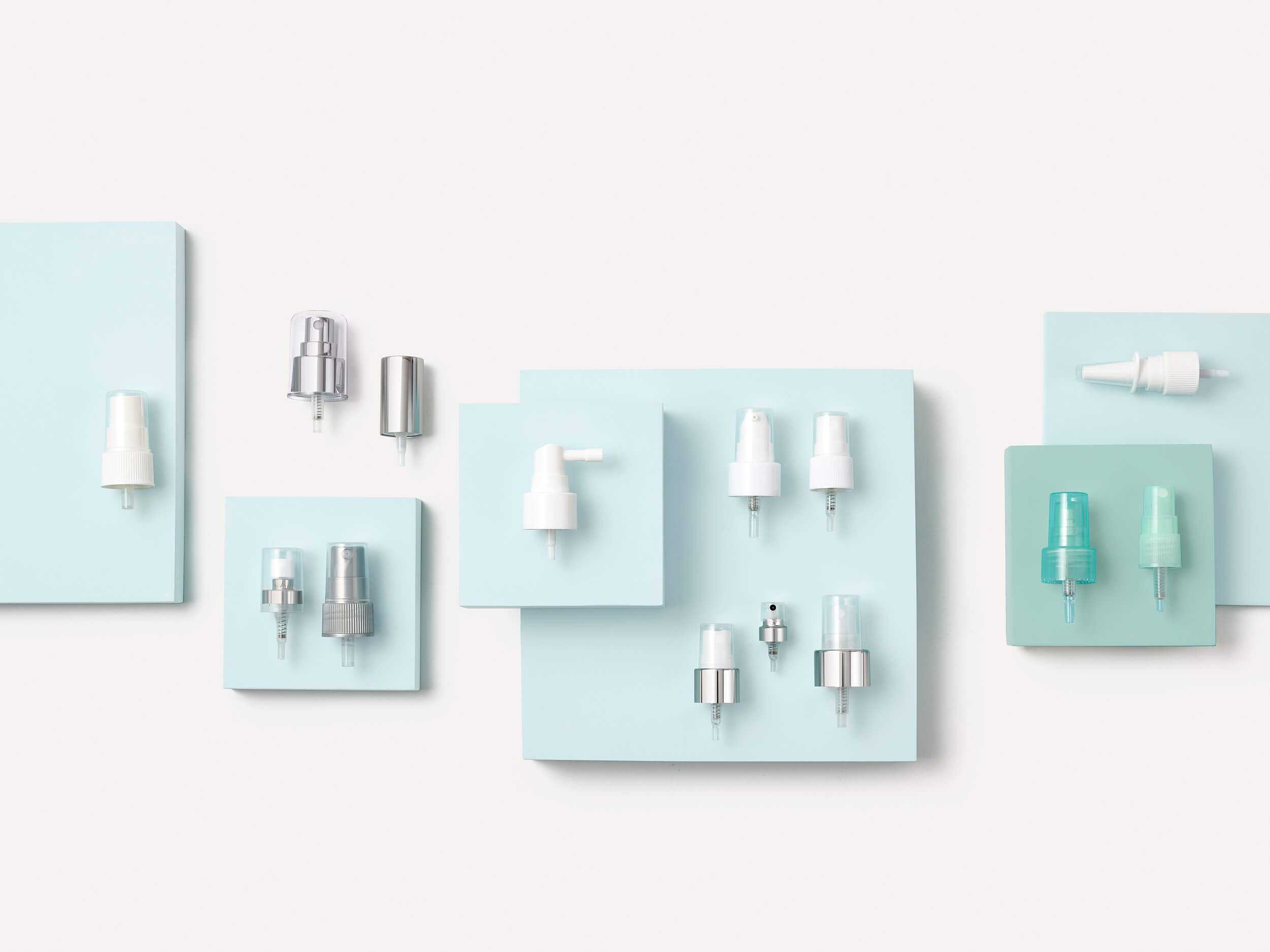
Fine Mist Sprayers

Dispensing Pumps
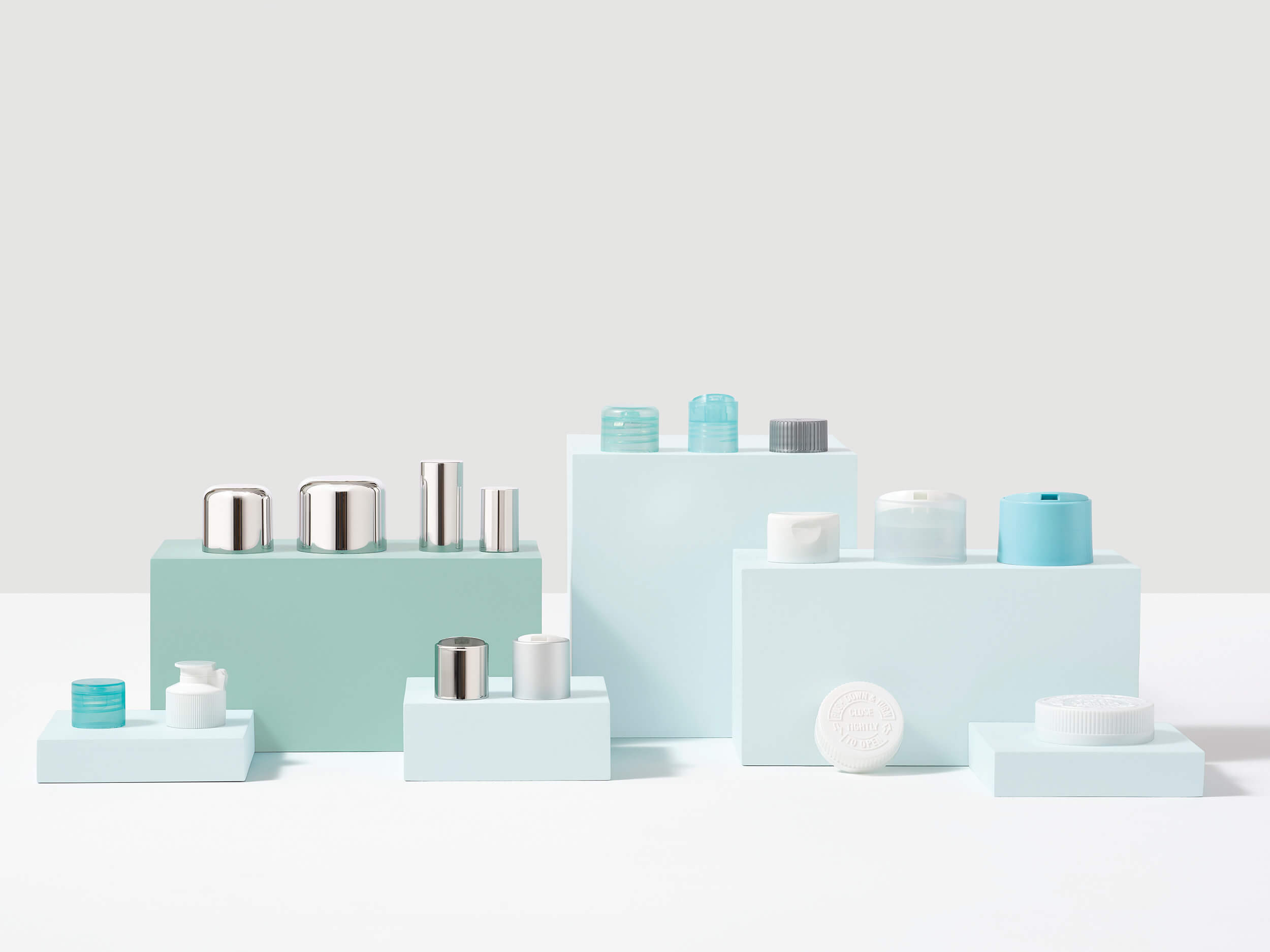
Plastic Caps & Closures

Get Started
Let's get the conversation started.
Tell us a bit about you, and our team will reach out as soon as possible.