

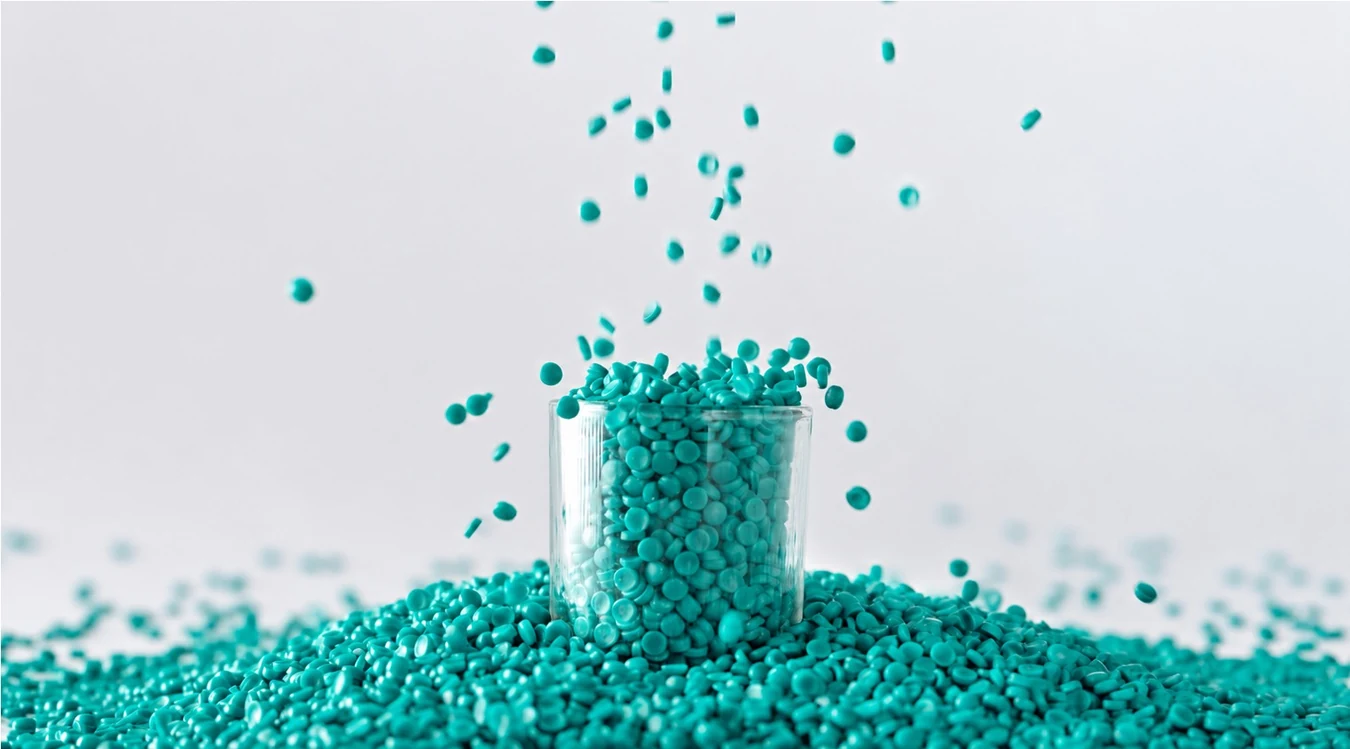
This guide provides a practical overview of common plastic resins used in packaging, including PET, HDPE, PVC, LDPE, PP, PS, and other plastics classified under Resin Identification Codes #1–#7. It explains what each resin is, its key properties, typical applications, and main advantages and limitations. The goal is to help customers understand the differences between major plastic resin types and identify which material may be suitable based on their product formulation, filling process, performance requirements, storage conditions, and distribution needs.
Plastic Resin Identification Codes
| Code/ |
Full name | General characteristics | Common packaging applications |
|---|---|---|---|
| #1 PET | Polyethylene Terephthalate | Clear, strong, lightweight, good gas barrier | Beverage bottles, food jars, personal care bottles |
| #2 HDPE | High-Density Polyethylene | Rigid, durable, good moisture and chemical resistance | Milk jugs, chemical bottles, detergent bottles |
| #3 PVC | Polyvinyl Chloride | Versatile, chemically resistant, available in rigid or flexible forms | Specialty bottles, films, pharmaceutical packaging |
| #4 LDPE | Low-Density Polyethylene | Soft, flexible, impact resistant | Squeeze bottles, tubes, films, bags |
| #5 PP | Polypropylene | Lightweight, rigid, good heat and fatigue resistance | Closures, food containers, hot-fill packaging |
| #6 PS | Polystyrene | Rigid and lightweight; available in solid or foam forms | Food trays, cups, disposable containers |
| #7 Other | Other or Mixed Resins | Properties vary significantly by material | Specialty packaging, multilayer structures, engineering plastics |
#1 PET – Polyethylene Terephthalate
Polyethylene terephthalate (PET) is one of the most widely used plastics for consumer packaging, particularly for applications where clarity and product visibility are important.
Key Properties
PET provides excellent transparency, good rigidity, dimensional stability, and impact resistance while remaining lightweight compared with glass. It also offers relatively good barrier performance against oxygen and carbon dioxide, making it especially suitable for beverages and other products that require protection from gas transmission. PET also provides good moisture resistance and can be formed into a wide variety of bottle and jar shapes.
Common Applications
PET is commonly used for:
- Extract bottles
- Water bottles
- Beverage bottles
- Cooking oil containers
- Food jars
- Personal care packaging
- Household product bottles
- Certain pharmaceutical packaging
PET is particularly useful when a package needs to combine a clear appearance with lightweight construction and resistance to breakage.
Packaging Considerations
Although PET offers good overall packaging performance, its suitability depends on the product formulation, filling temperature, required shelf life, and processing conditions.
Standard PET may not be suitable for every high-temperature filling or sterilization process. Specialized high-heat PET grades, container designs, or processing technologies may be required for more demanding applications.
#2 HDPE – High-Density Polyethylene
High-density polyethylene (HDPE) is a relatively rigid polyethylene commonly used for packaging that requires durability, moisture resistance, and chemical resistance. Unlike PET, HDPE is generally naturally translucent or opaque rather than highly transparent.
Key Properties
HDPE provides high impact strength, good moisture barrier performance, and strong resistance to many chemicals. Its relatively rigid structure helps containers maintain their shape during handling and transportation while still remaining lightweight. HDPE also performs well across a broad range of temperatures, which contributes to its widespread use in household, industrial, and food packaging applications.
Common Applications
HDPE is frequently used for:
- Milk and dairy containers
- Juice jugs
- Detergent bottles
- Household chemical bottles
- Automotive chemical packaging
- Shampoo and personal care bottles
- Pharmaceutical bottles
- Industrial containers
Its chemical resistance makes HDPE particularly useful for household, automotive, agricultural, and industrial products.
Packaging Considerations
HDPE generally provides a strong moisture barrier but has more limited gas barrier performance than materials such as PET.
For products containing aggressive chemicals, solvents, essential oils, or other active ingredients, compatibility testing should still be conducted because performance may vary based on the resin grade, additives, wall thickness, and product formulation.
#3 PVC – Polyvinyl Chloride
Polyvinyl chloride (PVC) is a versatile plastic that can be manufactured in either rigid or flexible forms depending on its formulation. Rigid PVC can provide good clarity and structural stability, while flexible PVC may incorporate plasticizers to achieve greater softness and flexibility.
Key Properties
PVC provides good chemical resistance and dimensional stability and can offer good transparency in rigid formulations. One of its distinguishing characteristics is its versatility, as the material can be formulated across a broad range of hardness and flexibility levels. PVC can also provide good weather resistance in certain applications depending on the additives and stabilizers used in the formulation.
Common Applications
PVC may be found in:
- Specialty bottles
- Pharmaceutical packaging
- Blister packaging
- Shrink films
- Flexible films
- Tubing
- Non-food industrial packaging
PVC has historically been used across a wide range of packaging applications, although its use has decreased in certain markets as alternative materials have become more common.
Packaging Considerations
PVC formulations can differ significantly depending on the stabilizers, plasticizers, pigments, and other additives used.
Material selection should therefore consider not only the base PVC resin but also the complete material formulation and applicable regulatory requirements.
#4 LDPE – Low-Density Polyethylene
Low-density polyethylene (LDPE) belongs to the same polyethylene family as HDPE but has a different molecular structure that produces a softer and more flexible material. This flexibility makes LDPE particularly useful for applications where the consumer needs to squeeze, bend, or flex the package.
Key Properties
LDPE is soft, flexible, and resistant to impact while also providing good moisture and chemical resistance. It performs well at lower temperatures and is easy to heat seal, making it particularly useful for flexible packaging and film applications. Compared with HDPE, LDPE has lower rigidity, which allows containers and packaging components to deform more easily without cracking.
Common Applications
LDPE is commonly used for:
- Squeeze bottles
- Flexible tubes
- Plastic bags
- Pouches
- Films
- Liners
- Shrink and stretch films
- Flexible dispensing packaging
It is frequently selected for products where flexibility and dispensing performance are more important than container rigidity.
Packaging Considerations
LDPE generally has lower stiffness and lower gas barrier performance than PET or more rigid packaging plastics.
Container design and wall thickness therefore become important when the package requires significant top-load strength, dimensional stability, or extended shelf-life performance.
#5 PP – Polypropylene
Polypropylene (PP) is another major packaging resin and is particularly valued for its combination of rigidity, low density, heat resistance, and fatigue resistance.
PP is widely used for both plastic containers and closures.
Key Properties
PP provides good rigidity while remaining lightweight and offers good resistance to moisture and many chemicals. Compared with several other common packaging plastics, PP generally performs well at elevated temperatures. It also has excellent fatigue resistance, allowing the material to withstand repeated bending and flexing without quickly failing. This property makes PP particularly suitable for closures and dispensing systems that incorporate flexible components.
Common Applications
PP is commonly used for:
- Plastic closures
- Hinged or flip-top closures
- Food containers
- Dairy containers
- Microwaveable containers
- Hot-fill packaging
- Pharmaceutical packaging
- Personal care packaging
- Caps and dispensing components
One of PP's most recognizable applications is the living hinge, such as the thin flexible section connecting a flip-top closure to the cap body. PP can repeatedly flex at this point while maintaining functionality.
Packaging Considerations
PP generally provides better heat resistance than many common PET and polyethylene grades, making it attractive for certain elevated-temperature applications.
However, actual temperature capability depends on the specific resin grade, package design, filling process, and exposure time.
#6 PS – Polystyrene
Polystyrene (PS) is a lightweight plastic that can be produced in several different forms. General-purpose polystyrene can be rigid and transparent, while impact-modified grades provide increased toughness. Polystyrene can also be expanded into lightweight foam structures.
Key Properties
PS provides good rigidity and dimensional stability while remaining lightweight and relatively easy to form. Certain grades can offer high clarity, making them useful for applications where product visibility is desired. Expanded polystyrene provides an extremely lightweight structure with cushioning and insulation characteristics. However, standard polystyrene generally has lower impact resistance than materials such as PET, PP, or polyethylene.
Common Applications
PS has traditionally been used for:
- Disposable cups
- Food service containers
- Food trays
- Yogurt and dairy containers
- Protective packaging
- Disposable utensils
- Foam packaging
Packaging Considerations
Standard polystyrene can be relatively brittle compared with materials such as PP, PET, or polyethylene. Impact-modified grades may therefore be used when additional toughness is required.
The use of polystyrene, particularly expanded polystyrene foam, may also be subject to packaging restrictions in certain jurisdictions, so applicable regulatory requirements should be reviewed for the intended market.
#7 Other Plastics
Resin Identification Code #7 differs from the first six categories. Rather than representing one specific resin, #7 generally covers plastics that do not fall within Codes #1 through #6, as well as certain combinations, blends, and multilayer structures.
Examples may include:
- Polycarbonate (PC)
- Nylon / Polyamide (PA)
- Acrylic materials
- PLA and certain bioplastics
- Specialty engineering plastics
- Multilayer plastic structures
- Certain resin blends
Key Properties
Because #7 includes many different materials, there is no single set of properties that applies to the entire category. Depending on the specific resin, these materials may provide enhanced heat resistance, impact strength, transparency, chemical resistance, gas barrier performance, or other specialized characteristics. For this reason, identifying the specific material within the #7 category is important before evaluating its suitability for a packaging application.
Common Applications
Depending on the specific material, #7 plastics may be used for:
- Specialty food packaging
- Reusable containers
- High-performance bottles
- Barrier packaging
- Medical applications
- Industrial packaging
- Multilayer containers
- Specialty dispensing systems
The exact resin or material structure should therefore be identified before evaluating its performance.
Which Plastics Can Be Recycled Together?
Most plastic resins are not recycled together — they are sorted into separate streams by polymer type and divided primarily by density. In the sink/float step used across recycling facilities, denser resins like PET (#1) sink while lighter polyolefins like HDPE (#2), LDPE (#4), and PP (#5) float, cleanly separating the two main families: polyesters and polyolefins. This is why a PET bottle with a PP cap recycles without issue — the materials part in the float/sink tank and report to different streams rather than blending.
The practical divide comes down to polyester vs. polyolefin. PET separates from PE and PP but doesn't combine with them, while PE and PP are chemically similar enough to be recovered together within limits. Resins like PVC (#3) and PS (#6) are the real contaminants, either sinking with PET or degrading during processing. For a full breakdown of which resins pair, which conflict, and what it means for package design, see our guide to Plastic Resin Recyclability.
Choosing the Right Resin for Your Application
Understanding the differences between PET, HDPE, PVC, LDPE, PP, PS, and other plastics provides a useful foundation for evaluating packaging materials. However, selecting the appropriate resin ultimately depends on the complete product and packaging application.
Product formulation, filling temperature, storage conditions, barrier requirements, closure compatibility, transportation environment, regulatory requirements, and expected shelf life can all influence material selection. Material that performs well for one product may not provide the same performance for another, even when the container design appears similar.
Whether the application requires clear PET bottles, durable HDPE containers, flexible LDPE packaging, PP closures, or more specialized plastic materials, understanding the relationship between material properties, product compatibility, and packaging performance is an important part of developing a reliable packaging system.
At Evergreen Resources, we work with customers across a wide range of plastic packaging formats and applications. Our team can support the evaluation of resin options, container and closure configurations, packaging specifications, and application requirements to help identify packaging solutions that are appropriate for the intended product and supply chain.
FAQs
What are the seven plastic resin identification codes?
Plastic Resin Identification Codes #1–#7 classify common plastic materials by resin type. They include #1 PET, #2 HDPE, #3 PVC, #4 LDPE, #5 PP, #6 PS, and #7 Other. Each resin has different characteristics related to clarity, rigidity, flexibility, heat resistance, chemical resistance, and barrier performance. Evergreen recommends evaluating the actual resin and packaging requirements rather than relying on the identification code alone when selecting a plastic package.
What is PET plastic commonly used for in packaging?
Polyethylene terephthalate (PET), identified as Resin Code #1, is commonly used for water bottles, carbonated beverage bottles, juice bottles, cooking oil containers, food jars, and personal care packaging. PET combines good clarity, rigidity, impact resistance, and relatively good oxygen and carbon dioxide barrier performance. Evergreen can help evaluate PET packaging based on product formulation, filling temperature, shelf-life requirements, and container design.
What is the difference between PET and HDPE packaging?
PET is typically selected when transparency, product visibility, and gas barrier performance are important, while HDPE is commonly selected for durability, moisture resistance, and chemical resistance. HDPE is usually translucent or opaque and is widely used for milk containers, detergents, household chemicals, shampoos, and industrial products. Evergreen evaluates resin selection based on the complete application rather than appearance or material type alone.
Is HDPE suitable for chemical packaging?
HDPE is widely used for household, automotive, agricultural, and industrial chemical packaging because it provides good resistance to many chemicals and an effective moisture barrier. However, compatibility can vary depending on the resin grade, additives, wall thickness, and product formulation. Products containing aggressive chemicals, solvents, or essential oils should therefore be evaluated through appropriate compatibility testing before final packaging approval.
Why is LDPE commonly used for squeeze bottles?
Low-density polyethylene (LDPE) is softer and more flexible than HDPE, allowing a container to bend or compress during dispensing without easily cracking. This makes LDPE well suited for squeeze bottles, flexible tubes, liners, pouches, films, and other dispensing applications. When Evergreen evaluates LDPE packaging, factors such as wall thickness, container stiffness, top-load requirements, and required shelf-life performance should also be considered.
Why is polypropylene used for plastic caps and closures?
Polypropylene (PP) offers a useful combination of rigidity, low weight, heat resistance, chemical resistance, and excellent fatigue resistance. Its ability to withstand repeated flexing makes it particularly suitable for flip-top closures and living hinges. PP is also commonly used for food containers, hot-fill packaging, pharmaceutical packaging, and dispensing components. Evergreen can support the evaluation of PP closures together with the container, filling process, and application requirements.
What does the #7 plastic resin code mean?
Resin Identification Code #7 does not represent one specific plastic. It generally includes plastics outside Codes #1–#6, as well as certain blends and multilayer structures. Examples may include polycarbonate, nylon, acrylic materials, PLA, engineering plastics, and specialty barrier structures. Because properties vary significantly within this category, Evergreen recommends identifying the specific resin or material structure before evaluating packaging performance or compatibility.
How do you choose the right plastic resin for packaging?
Plastic resin selection should consider the product formulation, filling temperature, storage conditions, required barrier performance, closure compatibility, transportation environment, regulatory requirements, and expected shelf life. PET, HDPE, LDPE, PP, PVC, PS, and specialty plastics each offer different advantages and limitations. Evergreen works with customers to evaluate resin options, container and closure configurations, and packaging specifications to help identify a suitable solution for the intended application.