

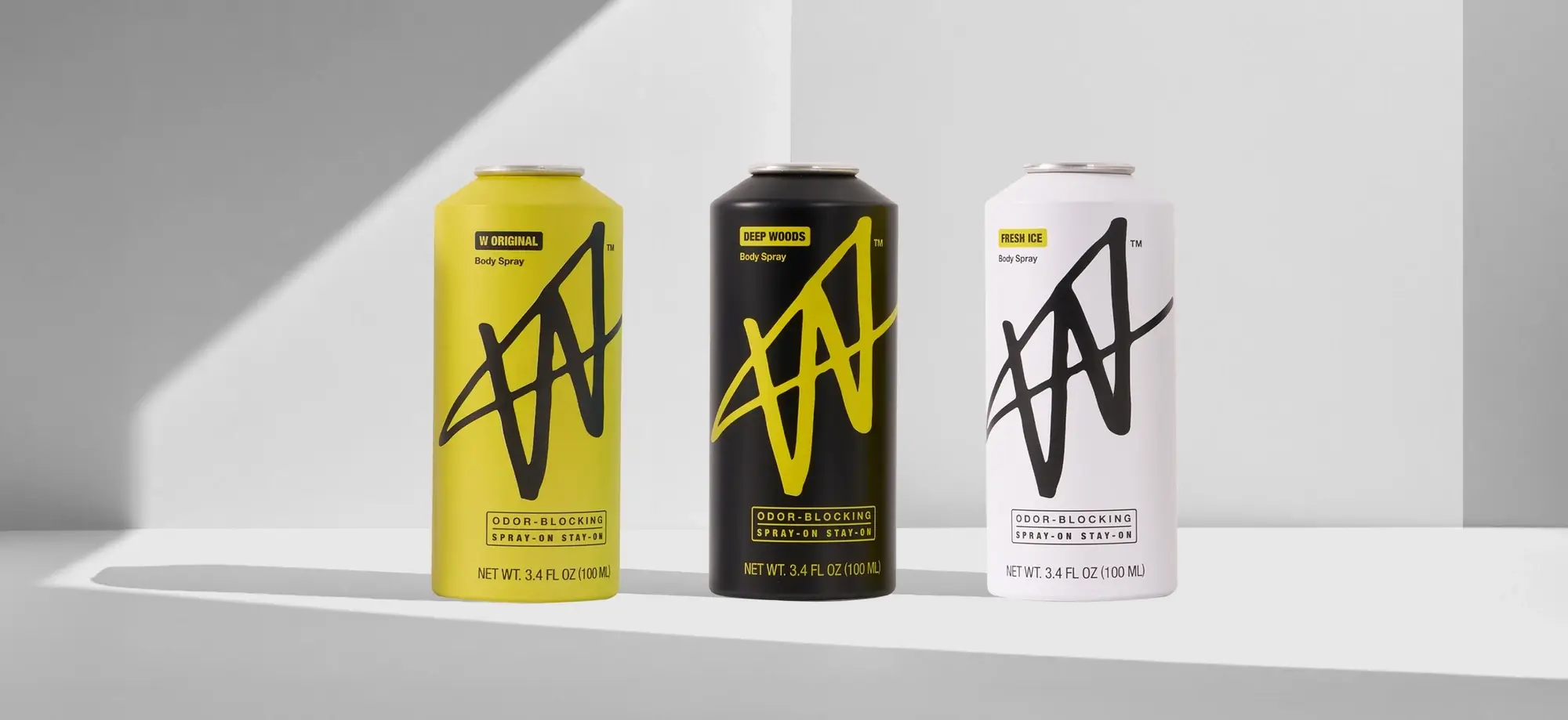
This guide covers the five direct printing methods Evergreen Resources offers across glass, plastic, and metal — the processes that put ink onto the container itself. For processes that change the container’s surface instead, see our Textures & Coatings Guide. For methods that apply a separately made layer or form the design into the pack, see our Transfers & Embossing Guide.
What’s in this guide:
- Why the printing method is a procurement decision, not just a design one
- Comparison table
- The five printing methods
- Combining printing with other techniques
- How to choose: a five-step framework
- Sustainability & recyclability considerations
- Get printing right the first time
Printing is where most of the artwork on a package lives: the brand name, the claims, the barcode, the batch code. It’s also where the constraints bite earliest. The method you choose sets legibility and shelf impact, but it also drives unit cost, minimum order quantity, plate spend, lead time, and how many colors you can afford to design with.
Why the printing method is a procurement decision, not just a design one
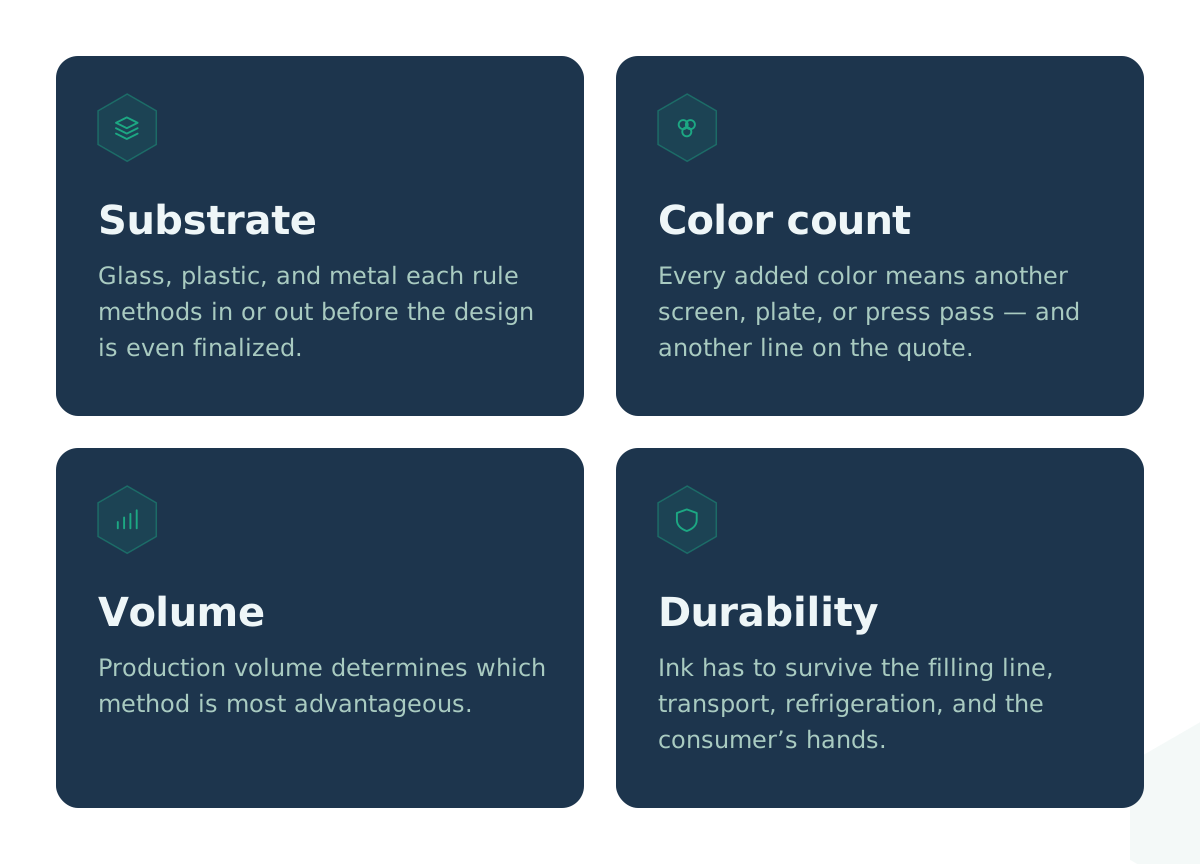
Every printing method sits at the intersection of four constraints:
- Substrate. Glass, plastic, and metal accept different processes. Lithographic printing is a metal-sheet technique. Pad printing works on plastic and metal but not glass. Offset reaches plastic only in tube form. Getting this wrong wastes sampling cycles before a single proof is approved.
- Color count. This is the constraint that separates printing from every other decoration category, and it is usually the one that decides the method. Silkscreen needs a separate screen and a separate pass per color. Flexography needs a plate per color. Offset and litho hold full multicolor artwork in a single setup but charge for it up front. A four-color logo and a photographic gradient are not the same job.
- Volume and MOQ. Some processes carry high one-time setup — printing plates, cylinders, cliché plates — charged upfront regardless of run length. Others are economical at low volumes. Evergreen notes that pad printing and silkscreen are “well-suited to smaller volumes without significant setup cost,” while larger runs use high-speed machines “for high-speed mass production at low cost.”
- Durability and compliance. Printed decoration must survive filling lines, transport, consumer handling, refrigeration, and sometimes chemical contact. Regulatory text and barcodes have to stay legible for the life of the pack, which raises the bar beyond what a logo would need.
Evergreen builds decoration into production rather than treating it as an afterthought, with dielines for all product categories, digital artwork proofing in 3 business days, physical color samples in 7–14 business days, and QC engineers onsite at every production. That integration matters because most premium packs combine printing with at least one other technique, and the layers have to be sequenced correctly.
Comparison table
The table below summarizes how each printing method maps to substrate, visual effect, relative cost, durability, and best use case. "Relative cost" reflects typical setup plus unit economics; nearly all of these costs fall sharply at higher volume, so read that column as a starting point for a conversation about run size rather than a fixed ranking.
| Technique | Glass | Plastic | Metal | Visual effect | Relative cost | Durability | Best for |
|---|---|---|---|---|---|---|---|
| Silkscreen printing | Opaque, vivid, slightly textured ink | Low–moderate | High | 1–4 color logos/text on curved bottles | |||
| Pad printing | Fine single/spot-color marks | Low | Moderate–high | Caps, closures, small parts, batch codes | |||
| Offset printing | tubes only | High-resolution multicolor | Moderate–high | High | Photographic art on tubes, cans, cartridges | ||
| Litho printing | Crisp high-res on metal sheet | High (volume) | High | Aerosol cans, tins at scale | |||
| Flexography | Solid colors, barcodes, graphics | Moderate | High | Long-run tube/label decoration |
The five printing methods
Silkscreen printing
Silkscreen (screen) printing pushes ink through a mesh screen directly onto the container, producing "sharp, vibrant graphics directly on the packaging." Each color needs its own screen, so it's most economical for bold designs of one to four colors. Evergreen describes it as delivering "textural, vivid inks with exceptional durability—ideal for applying high-opacity logos and crisp graphics while ensuring long-lasting decoration on flexible and curved surfaces."
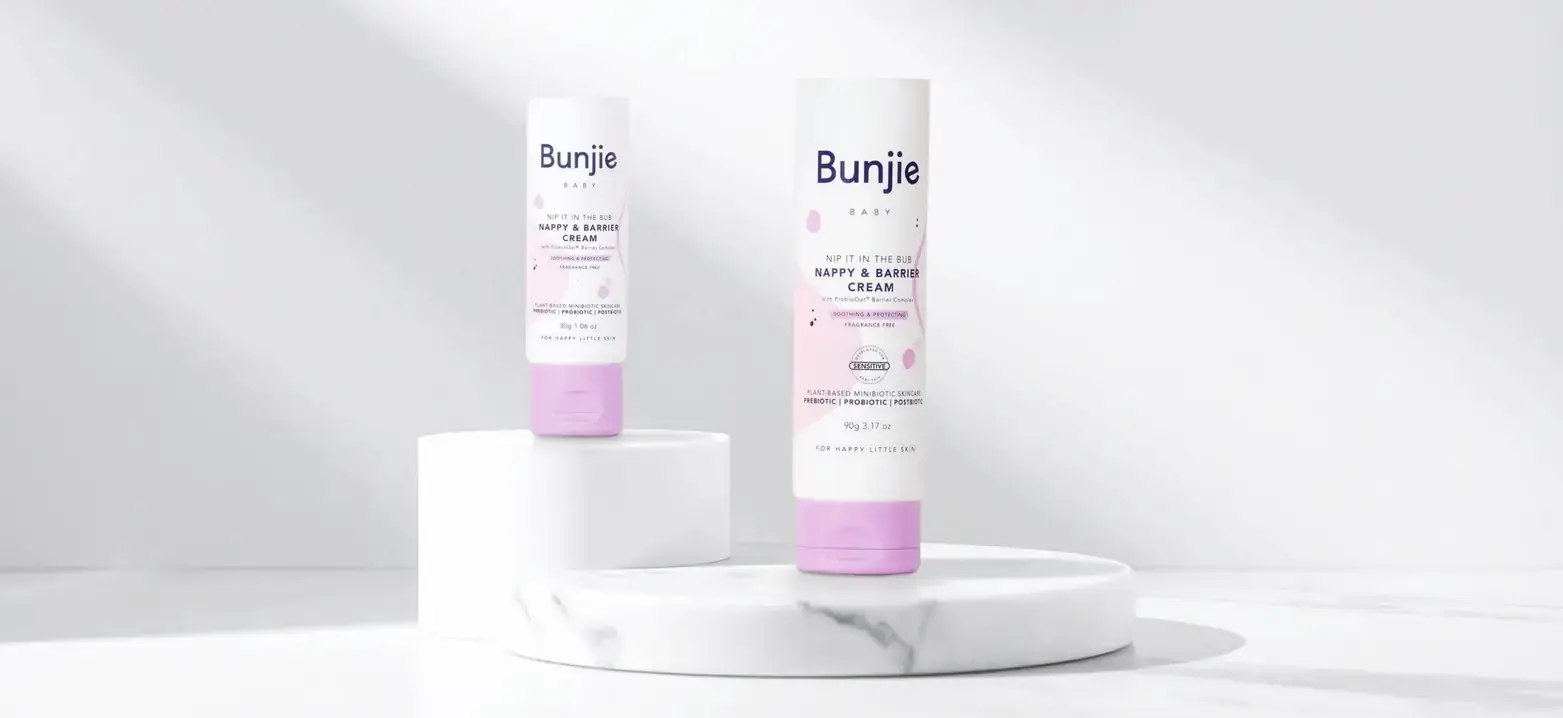
When it's applicable: round or cylindrical bottles and jars across glass, plastic, and metal; personal care, beauty, spirits. It preserves the underlying surface texture and holds opaque color well, and it works at relatively low MOQ.
Limitations: poor at photographic gradients and very fine multicolor detail; each added color adds a screen and a pass.
Pairs with: offset (as spot text over photographic art), hot stamping for metallic accents, and frosted or soft-touch surfaces as a base or overcoat.
To learn more about the advantages, manufacturing process, and product applications, visit our page on Silkscreen Printing.
Pad printing
Pad printing (tampography) uses a soft silicone pad to lift ink from an etched plate (cliché) and stamp it onto the product—"ideal for applying branding, icons, regulatory markings, or batch codes." Evergreen positions it as best for "single-color or spot-color logos, text, and straightforward designs," with "low setup and tooling costs" that make it "practical for short production runs, prototypes, and customized orders."
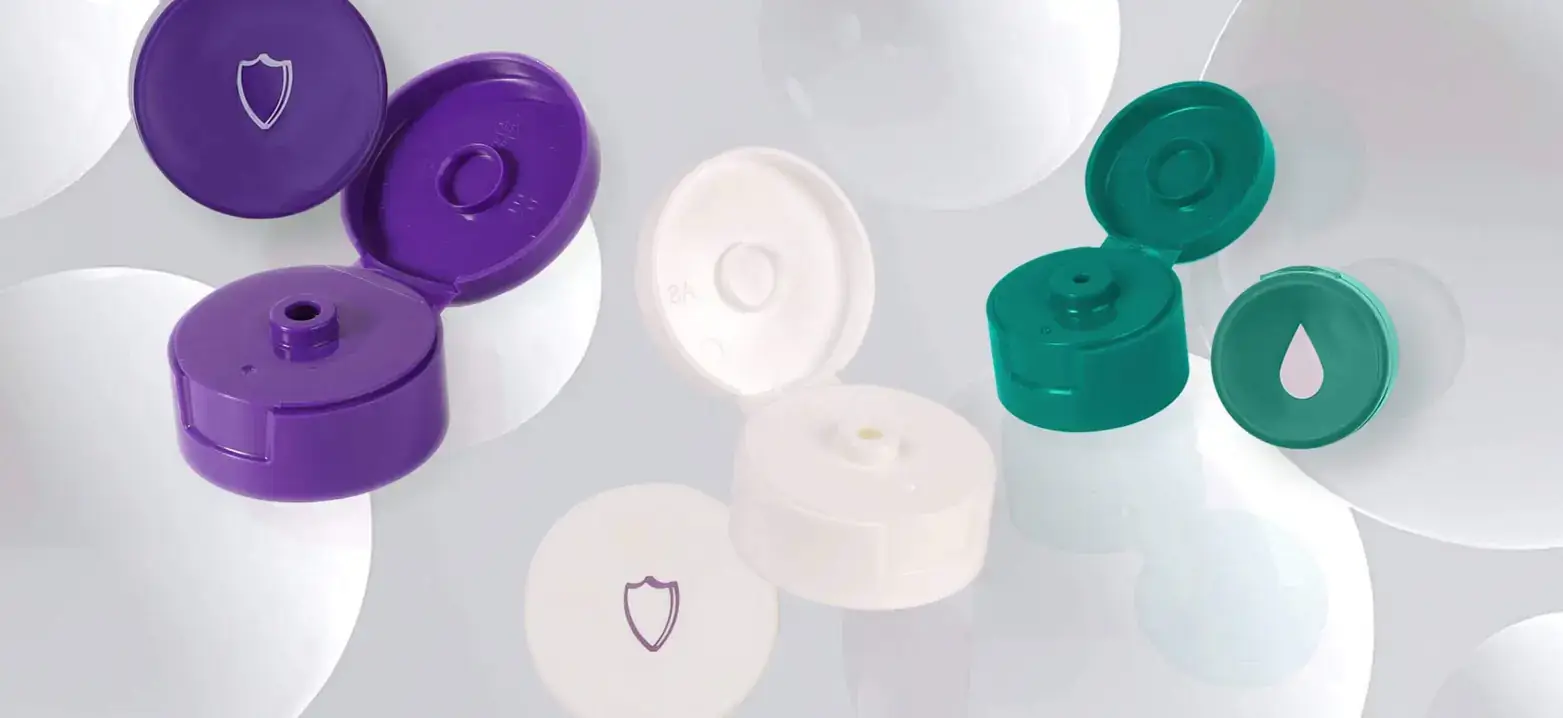
When it's applicable: caps, closures, pumps, and small or irregularly curved parts where a flat screen can't make even contact; any substrate that's plastic or metal. It is also the standard route for batch codes and regulatory marks that have to land on a small, awkward surface.
Limitations: limited color count and print area; not for full-color art.
Pairs with: metallized or electroplated caps (pad printing is one of the few processes that marks them cleanly), embossed closures, and color-sprayed base coats.
To learn more about the advantages, manufacturing process, and product applications, visit our page on Pad Printing.
Offset printing
Offset transfers ink from a plate to a rubber blanket and then to the surface, giving "sharp detail, good color consistency, and strong graphic quality." It's the workhorse for high-resolution multicolor art on tubes, cartridges, and metal. Evergreen runs up to 6-color offset on tubes, up to 9-color offset on aluminum aerosol cans, and up to 8-color on steel aerosols. Per Evergreen's guidance, "silkscreen and offset printing suit high-volume runs with consistent graphics."
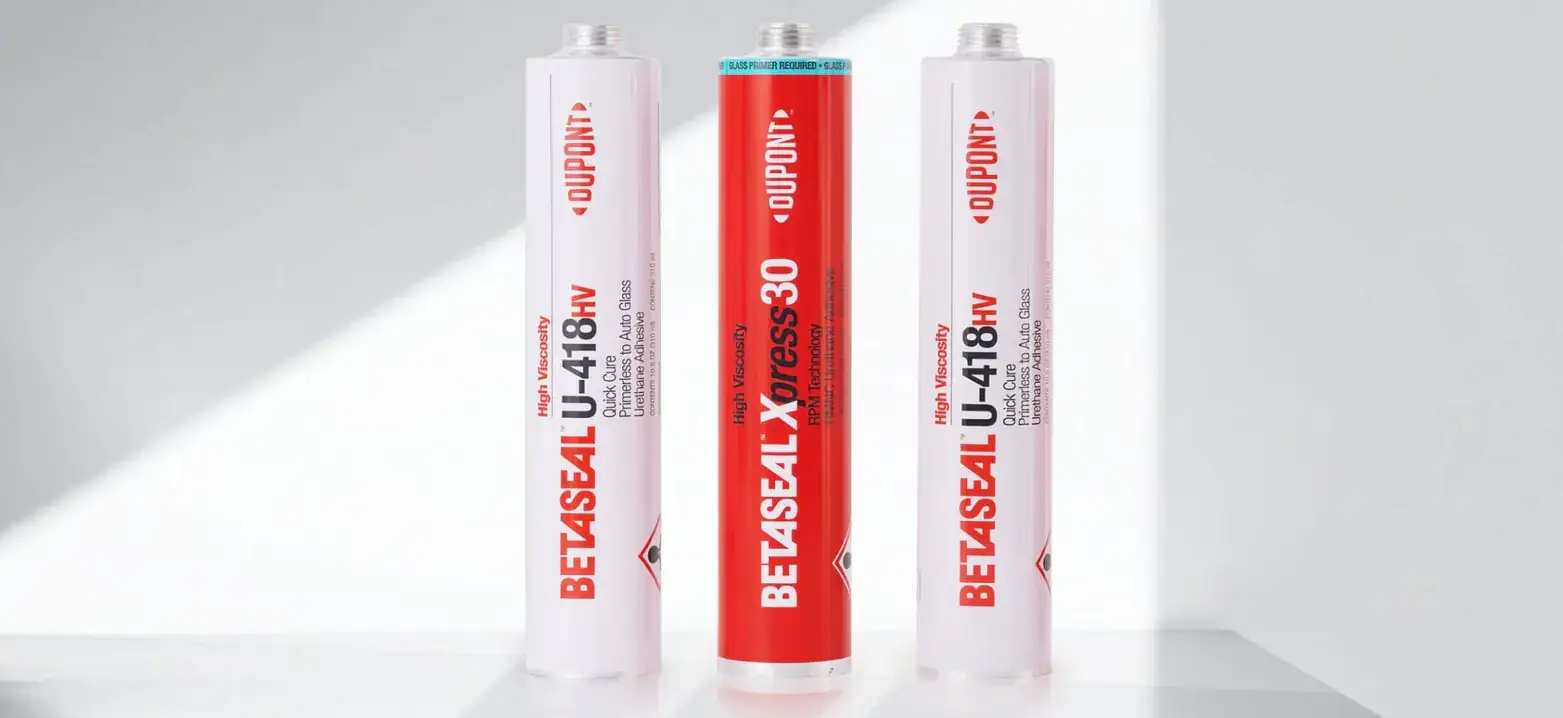
When it's applicable: tubes, cans, and cartridges needing photographic or complex multicolor graphics at scale, and any design where color consistency across a long run is a hard requirement.
Limitations: higher plate setup than silkscreen or pad; less economical at very low volume, and artwork changes mean new plates.
Pairs with: silkscreen for spot text and solid color, hot stamping for a metallic accent, and a soft-touch or matte overcoat applied last.
To learn more about the advantages, manufacturing process, and product applications, visit our page on Offset Printing.
Lithographic (litho) printing
Litho is offset adapted for metal: artwork is printed on flat metal sheets before they're formed into cans, "allowing large volumes of sheets to be decorated efficiently and consistently." Because printing happens before forming, the design must account for how the metal stretches during manufacturing — a distortion that has to be modeled in artwork, not corrected afterward.
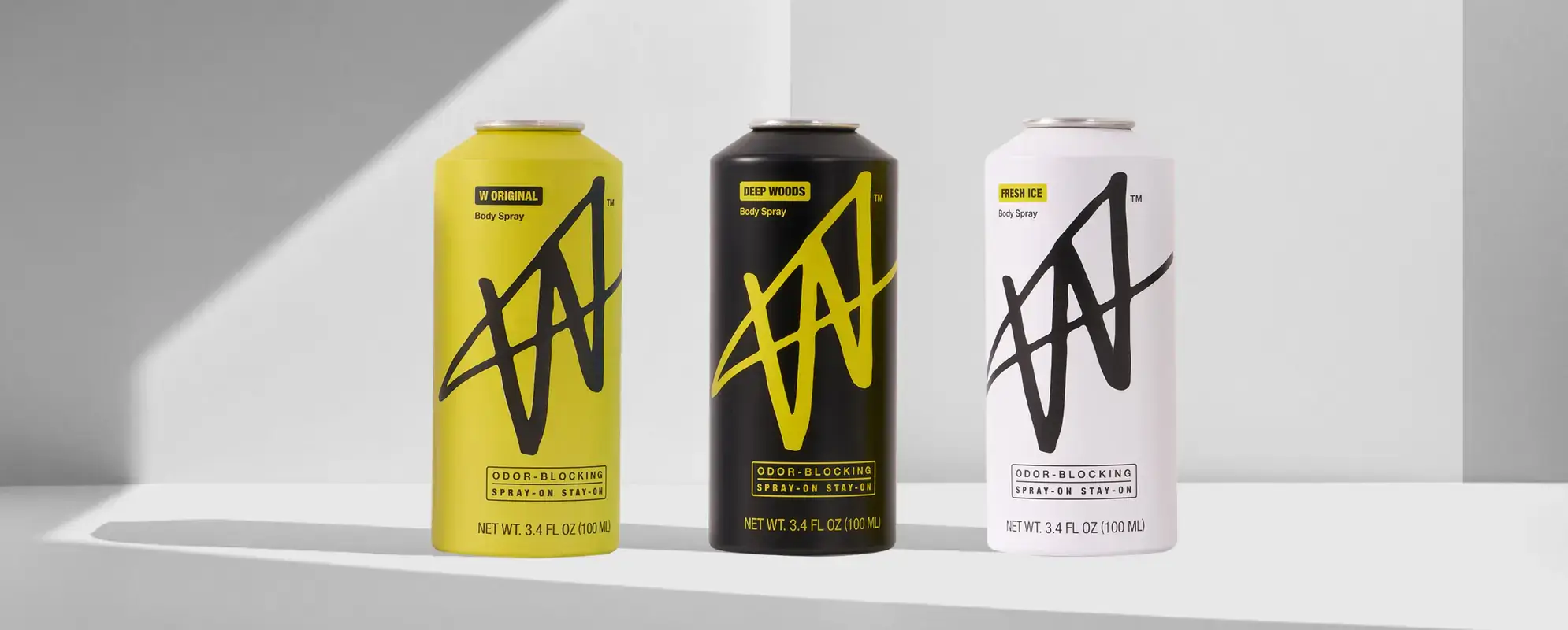
When it's applicable: aerosol cans, tins, and metal cans at volume, where decorating flat sheets is far faster and more consistent than decorating formed containers one at a time.
Limitations: metal only; high setup that rewards large runs; artwork must be pre-distorted, which adds a prepress step and makes late design changes expensive.
Pairs with: embossing or debossing in the forming die, a matte or gloss varnish, and hot-stamped foil accents.
To learn more about the advantages, manufacturing process, and product applications, visit our page on Litho Printing.
Flexography
Flexography uses flexible relief plates and an anilox roller to print at high speed on a wide range of substrates, with finishing — varnish, lamination, die-cut — often integrated inline. Evergreen notes it "excels in reproducing solid colors, barcodes, and brand graphics with precision" across long runs.
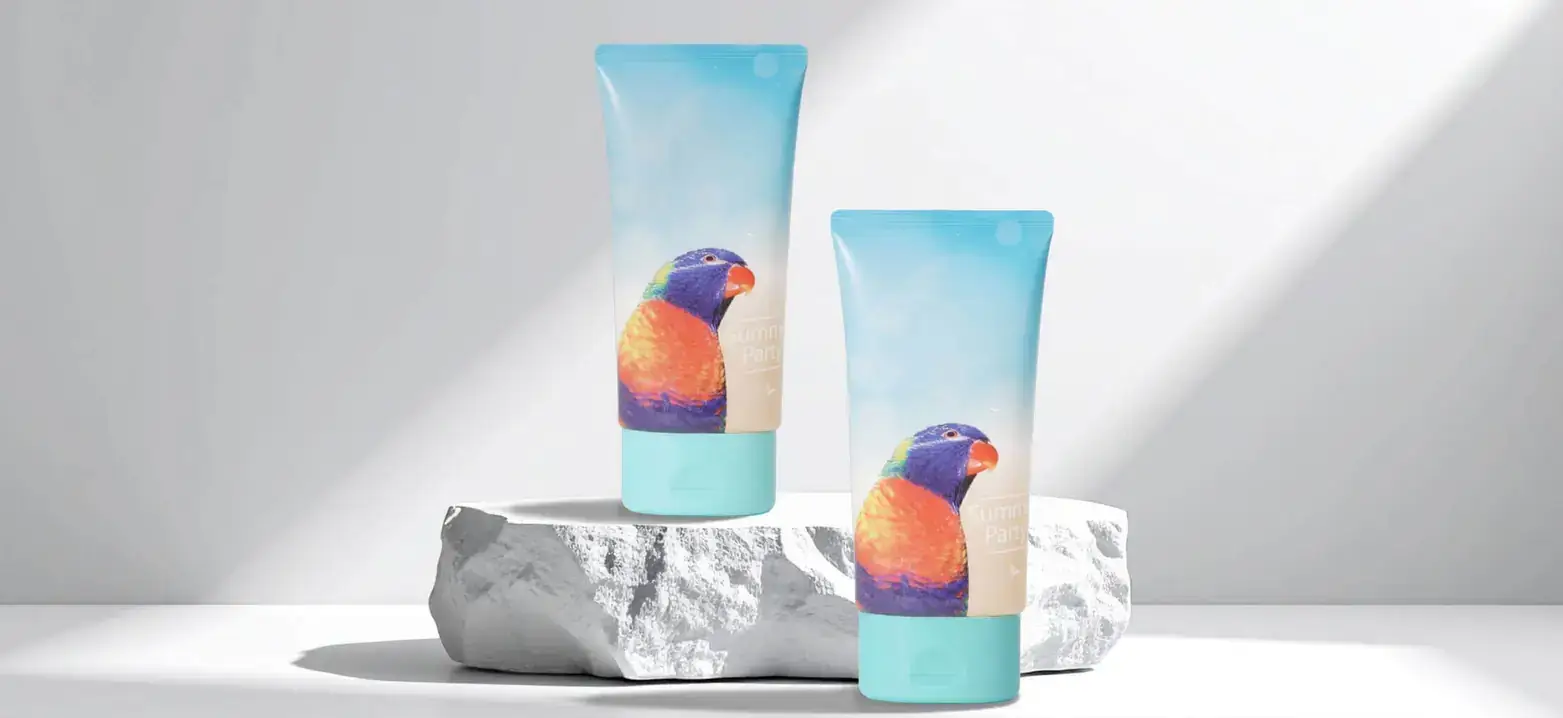
When it's applicable: long production runs of tubes and label stock where speed and cost-per-unit matter more than photographic fidelity. It's also the process behind much of the label material used elsewhere, including in-mold labels.
Limitations: each color needs a plate, so complex multicolor art gets costly; not viable for short runs or sampling.
Pairs with: inline varnish and lamination, and downstream label and in-mold labeling applications.
To learn more about the advantages, manufacturing process, and product applications, visit our page on Flexography.
Combining printing with other techniques
The most memorable packs almost never rely on a single technique. Evergreen explicitly supports multi-technique decoration — "combining techniques on a single package is common, particularly for premium personal care and beauty products" — and coordinates the sequencing so each layer survives the next.
Combining two printing methods
- Offset + silkscreen. The most common printing-only build. Offset carries the photographic or complex multicolor artwork; silkscreen adds opaque spot text or a solid color that offset can’t hold at full density. Standard on tubes and cartridges.
- Litho + spot silkscreen. On metal, litho decorates the flat sheet before forming, and a silkscreen pass afterward can add a solid mark that would otherwise be distorted by the forming step.
- Flexography + inline finishing. Not a second decoration method so much as a sequencing advantage: varnish, lamination, and die-cutting run in the same pass, which is a large part of why flexo wins on long runs.
Printing with a surface texture
- Silkscreen over frosted glass. Acid-etched frosting as a base, with crisp printed type over it. A prestige build for fragrance and skincare, and one of the cleanest ways to make white or opaque ink read.
- Color spray gradient + silkscreen. A sprayed ombré base under a printed logo — common in fragrance, and a way to get depth without a second printing pass.
- Offset + soft touch, or silkscreen + matte. A tactile or matte coating applied last, over the printed graphics, to protect the ink and deliver the in-hand payoff. Sequencing matters here: the coating goes on after the print, not before.
- Pad printing on metallized or embossed parts. Pad printing is one of the few processes that marks a plated cap or a molded relief cleanly, because the silicone pad conforms to the surface.
- Litho + emboss/deboss. Relief formed into the metal with printed artwork registered to it — a durable, hard-to-counterfeit combination for tins and cans.
Printing with a transfer
- Silkscreen + hot stamping. The industry-standard cosmetic build: screen printing carries the main brand colors and regulatory text, while a small hot-stamped metallic logo, shoulder ring, or cap accent adds prestige. Keeps MOQ and cost sensible while looking high-end.
- Flexography → in-mold labels. Flexo (or offset) prints the label film that is then fused into a molded container. The printing method and the application method are separate decisions, and the label print run is what constrains design changes.
The sequencing rule of thumb: build up from the surface — base color or coat first, printed graphics next, tactile and protective coatings and delicate foils last. Evergreen manages this ordering in production and verifies color with X-Rite spectrophotometers plus solvent-resistance and anti-scratch testing.
How to choose: a five-step framework
Step 1 — Start with the packaging material (substrate). Your material narrows the field immediately. Glass supports silkscreen only, among direct printing methods. Plastic supports silkscreen, pad, flexography, and offset in tube form. Metal supports all five. (See product pages for Glass, Plastic, and Metal.)
Step 2 — Count your colors. This is the printing-specific gate, and it usually decides the method before budget does. One or two colors: pad print or silkscreen. Three or four: silkscreen, or offset if the artwork has fine detail. Full-color or photographic: offset, litho on metal, or flexography on large runs. Color count also carries a tier signal — a single-color pad print reads as utility, multicolor offset reads as premium — so the count is a brand decision as much as a production one.
Step 3 — Pin down volume and MOQ tolerance. Low volume or frequent design changes favor pad printing and silkscreen, which carry little setup. High, stable volumes justify the plate and cylinder investment behind litho, multicolor offset, and flexography, where per-unit cost drops sharply.
Step 4 — Budget across setup, unit, and risk. Weigh one-time costs (plates, clichés, cylinders, prepress for litho distortion) against per-unit printing and the cost of getting it wrong — line rejects, illegible regulatory text, a reprint, poor shelf performance. A slightly pricier method that survives the filling line beats a cheap one that scuffs.
Step 5 — Layer in sustainability requirements. If recyclability or EPR eco-modulation matters — and it increasingly does — let it constrain the shortlist before you finalize.
Sustainability & recyclability considerations
Direct printing occupies the cleanest position of any decoration category on recyclability, because it decorates the container itself rather than adding a separate material to the recycling stream. There is no carrier film, no adhesive, and no applied layer to separate out. Ink is the only thing added, which is why ink chemistry does most of the work below.
That said, printing has its own considerations:
- Inks and coatings have to be compatible with reprocessing. The Association of Plastic Recyclers (APR) has issued critical-guidance recognition to washable ink systems, including Siegwerk’s, specifically because ink that releases during washing keeps recycled resin cleaner. Specify ink chemistry, not just color.
- Glass and metal are effectively unaffected. Per Robert Weisenburger Lipetz of the Glass Manufacturing Industry Council, glass is fully recyclable with an unlimited life and can be remelted repeatedly without losing quality — and the Glass Packaging Institute puts the bin-to-shelf turnaround as low as 30 days. Metal is likewise infinitely recyclable. Printing on either substrate doesn’t impede that, though heavy mixed-material coatings should be reviewed.
- Match materials where printing meets other components. Recyclability improves when closure and decoration polymers match the container polymer, and when inks and adhesives are compatible with reprocessing.
Because sustainability and design objectives differ from one brand to the next, Evergreen guides customers through packaging selection and procurement with objective recommendations — and since we offer every decoration method and material type, that guidance is grounded in what actually serves the pack, not in what we happen to sell.
Get printing right the first time
Printing is where brand ambition meets production reality, and the constraints land early: color count, plate setup, and MOQ are all decided before anyone approves a proof. Choose the method with substrate, color count, volume, budget, and sustainability targets on the table together, and validate on real samples before committing to plates.
Evergreen integrates decoration into production across glass, plastic, and metal, with dielines for every product category, digital artwork proofs in 3 business days, physical color samples in 7–14 business days, and QC engineers onsite at every run. Explore the full Advanced Decorations and Printing Capabilities, or Get Started to request samples, an artwork proof, or a decoration consultation.
Printing is one of three decoration routes. See our Textures & Coatings Guide for surface treatments, and our Transfers & Embossing Guide for foil, relief, decals, and in-mold labels.