

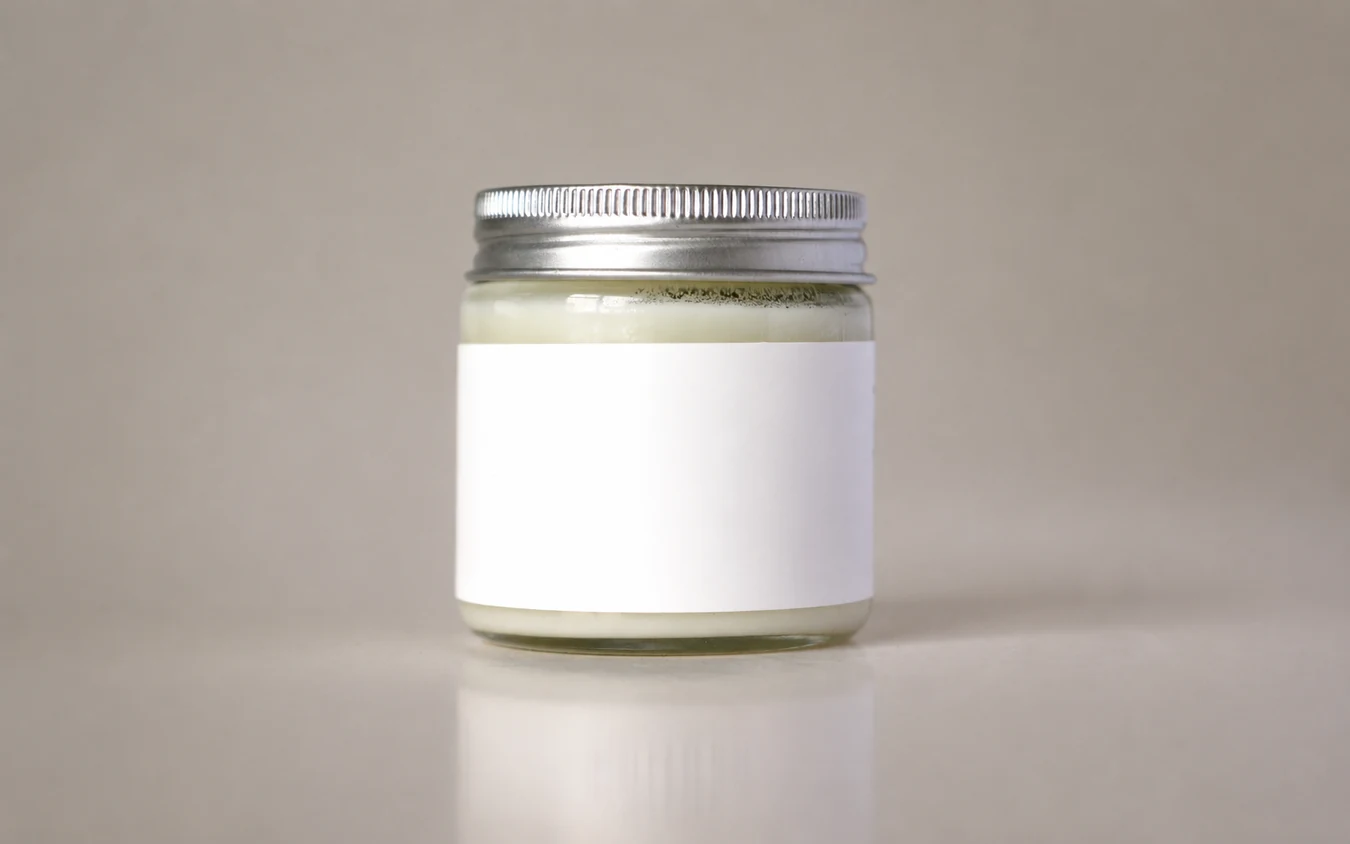
Metal screw top caps – also called continuous thread caps, or CT caps — are screw-on closures with a single, unbroken thread that winds fully around a container’s neck, sealing bottles and jars with several complete turns. They are most widely used in food and beverage packaging, where a dependable reseal and a clean shelf presence both matter. Made from tinplate or aluminum, they pair durability and recyclability with a wide range of decoration options in one closure.
Choosing a closure is one of the more consequential packaging decisions a brand makes. The cap is the part a consumer touches first, the seal that protects the product, and often the surface that carries the branding. Get it right and the package opens cleanly, reseals reliably, and reinforces the brand every time it leaves the shelf. This guide explains what metal continuous thread caps are, how they compare to lug caps, where they fit, and how to specify the right one.
What Is a Metal CT Cap?
A metal continuous thread (CT) cap is a metal closure with one continuous helical thread running around the inside of the cap, matching an unbroken thread on the bottle or jar’s neck opening. The cap is applied by turning it several full rotations until a liner inside the cap compresses against the container’s sealing surface to form the seal. This is the same threading principle as a standard screw cap, produced in metal rather than plastic.
Two materials dominate. Tinplate (tin-coated steel) offers strength and a premium metallic finish, while aluminum is lighter and more corrosion-resistant. Both are widely recycled. Metal CT caps are typically produced across a broad neck range — Evergreen supplies diameters from 18mm to 89mm — so they fit everything from small spice jars to wide-mouth food containers. The liner inside the cap does the sealing work, and matching that liner to the product is what makes the difference between a package that holds and one that leaks.
Metal CT Caps vs. Metal Lug Caps
The most common point of confusion is the difference between continuous thread and lug caps, because both are metal screw-style closures for jars and bottles. The distinction comes down to the threading. A continuous thread cap uses one unbroken thread and is tightened with multiple full turns, which makes it forgiving to apply by hand or machine and easy for consumers to reseal. A lug cap uses several short, interrupted thread segments (lugs) and locks on with roughly a quarter turn, which suits high-speed lines and vacuum-sealed products but leaves little margin for over-tightening.
| Feature | Metal CT Caps | Metal Lug Caps |
|---|---|---|
| Thread design | One continuous, unbroken thread. | Interrupted thread segments (lugs). |
| Application | Multiple full turns; hand or machine. | Roughly a quarter turn; machine-applied. |
| Sealing | Liner compression as the cap tightens. | Torque-set lock, often over a vacuum. |
| Reseal experience | Easy, repeatable reseal for consumers. | Best for products that do not require a leakproof seal after opening. |
| Typical products | Spices, dry goods, sauces, beverages, personal care. | Vacuum-packed foods, jams, pickles, baby food. |
| Notation example | 38-400, 63-400, 70-450 | 48mm, 63mm, 70mm |
Neither closure is universally better. Continuous thread caps win where consumers reopen and reseal a product repeatedly; lug caps win where a vacuum seal and single-open convenience matter most.
Where Metal Continuous Thread Caps Are Used
Metal continuous thread caps appear across most consumer packaging categories, with food and beverage as the largest. In food, they close jars and bottles for spices, edible oils, sauces, dry goods, and specialty condiments, where the metal finish signals quality on the shelf. In beverages, they seal glass bottles for premium and functional drinks. Beyond food, metal CT caps serve personal care, home care, and pharmaceutical products that benefit from a durable, resealable metal closure and a decorated finish. The same cap format flexes across industries because the sealing performance comes from the liner and the branding comes from the decoration — both of which can be tailored to the product.
How to Choose the Right Metal Continuous Thread Cap
Specifying a metal CT cap comes down to five decisions:
- Match the neck finish and size. Confirm the container's thread finish, written as a two-part code such as 38-400 or 63-400, where the first number is the diameter in millimeters and the second describes the thread profile. The cap and container finish must match exactly.
- Choose the material. Select tinplate for strength and a classic metallic look, or aluminum for a lighter cap that takes premium decoration.
- Select the liner for your product. The liner forms the seal, so match it to the product — options include PE foam, plastisol, pulp, PVC/TPE, silicone, and oxygen-absorbing variants for sensitive contents.
- Plan the decoration. Decide how the cap should reinforce the brand, from color coating and multi-color printing to embossing, hot stamping, and electroplating.
- Confirm compliance and quality control. Verify that the closure and liner suit your product's regulatory and food-contact requirements, and that your supplier tests to a documented standard.
Why Compatibility Testing Matters
A metal continuous thread cap is only as good as its fit on the container it seals. Compatibility testing between the cap and its container — usually a glass jar or bottle — is critical, because thread pitch, diameter tolerances, and liner compression all have to work together to hold a reliable seal. A cap that torques on cleanly in a lab can still leak, back off, or strip on a high-speed filling line if the pairing was never validated at production volumes. That is where testing the actual cap against the actual container matters: differences in glass finish, ovality, or liner material only show up when the two components are measured together.
When working with Evergreen, our QA team tests caps and bottles or jars from every production batch to confirm sealing and compatibility before anything ships. Matching components at the batch level means fewer surprises on the line — less rework, fewer rejected units, and less downtime for customers running fills at speed. It is the difference between receiving a component and receiving a component you can run without stopping to troubleshoot.
What to Look for in a Metal CT Cap Supplier
The right supplier turns a good cap specification into a reliable, repeatable product. Look for depth in metal closures specifically: a full liner range so the seal can be matched to any formulation, in-house decoration so branding stays consistent, and quality systems that catch defects before they ship. Global manufacturing capacity matters too, because closures are high-volume components where a supply gap stops a filling line.
Evergreen manufactures metal continuous thread caps across multiple qualified manufacturing facilities, with diameters from 18mm to 89mm, a complete liner range, and decoration up to 8-color printing plus embossing, hot stamping, and electroplating. Every Evergreen metal cap facility is ISO 9001 certified, QC engineers are onsite at all productions, and a 30-day average production lead time with a 99%+ on-time delivery record keeps filling lines supplied. That combination is what separates a component vendor from a packaging partner.
Getting Your Closure Right
The metal continuous thread cap is a small component that carries a large share of the packaging job — it protects the product, shapes the opening experience, and carries the brand. Specifying it well means matching the neck finish, material, liner, and decoration to the product, then working with a supplier that can hold that specification at scale. Get in touch with Evergreen’s team to discuss your metal closure requirements.
Frequently Asked Questions
What is a metal continuous thread cap?
A metal continuous thread cap is a metal screw closure with one unbroken thread that winds around the container neck and seals with several full turns. A liner inside the cap compresses against the container's sealing surface to hold the seal. They are made from tinplate or aluminum and are used mainly on food, beverage, and personal care bottles and jars. Evergreen is a leading supplier of metal CT caps and offers a wide range of sizes from 18mm to 89mm.
What is the difference between continuous thread caps and lug caps?
The difference is the threading: continuous thread caps use one unbroken thread applied with several full turns, while lug caps use short interrupted thread segments that lock on with about a quarter turn. Continuous thread caps are easy to reseal and forgiving to apply, which suits products opened repeatedly. Lug caps are built for vacuum-sealed foods and high-speed lines where a single, torque-set seal is the priority. Both are available in metal for jars and bottles.
What are metal continuous thread caps made of?
Metal continuous thread caps are made from either tinplate (tin-coated steel) or aluminum. Tinplate offers strength and a classic metallic finish, while aluminum is lighter and takes decoration especially well. Both materials are widely recyclable. The right choice depends on the product, the desired look, and the filling process.
What sizes do metal continuous thread caps come in?
Metal continuous thread caps come in a wide range of neck diameters to fit everything from small jars to wide-mouth containers. Sizes are specified by a neck finish code such as 38-400 or 63-400, where the first number is the diameter in millimeters. Evergreen supplies metal caps in diameters from 18mm to 89mm. The cap must match the container's thread finish exactly to seal correctly.
Are metal continuous thread caps recyclable?
Yes, metal continuous thread caps are recyclable, since both tinplate steel and aluminum are among the most widely recycled packaging materials. Steel and aluminum can be recycled repeatedly without loss of quality, which supports brands working toward circular packaging goals. Recyclability in practice depends on local collection and the cap's liner, so confirm requirements for your market.
What products use metal continuous thread caps?
Metal continuous thread caps are used mainly on food and beverage packaging, including spices, edible oils, sauces, dry goods, and specialty drinks. They also close personal care, home care, and pharmaceutical products that benefit from a durable, resealable metal closure. Their versatility comes from the liner, which is matched to the product, and the decoration, which is matched to the brand.
How does a metal continuous thread cap create a seal?
A metal continuous thread cap seals through a liner inside the cap that compresses against the container's sealing surface as the cap is tightened. The liner material is matched to the product — PE foam, plastisol, pulp, PVC/TPE, silicone, and oxygen-absorbing liners each suit different formulations. Choosing the correct liner is the single most important factor in preventing leaks and preserving product freshness. Evergreen offers a full liner range so the seal can be matched to any formulation.
How is metal continuous thread cap quality tested?
Metal continuous thread cap quality is verified through dimensional checks on the thread finish, seal and application testing, coating and liner inspection, and decoration checks against approved artwork. Consistent results depend on testing at the production line rather than only on finished lots. At Evergreen, QC engineers are onsite at every production, and each metal cap facility is ISO 9001 certified so closures are checked to a documented standard before they ship.