

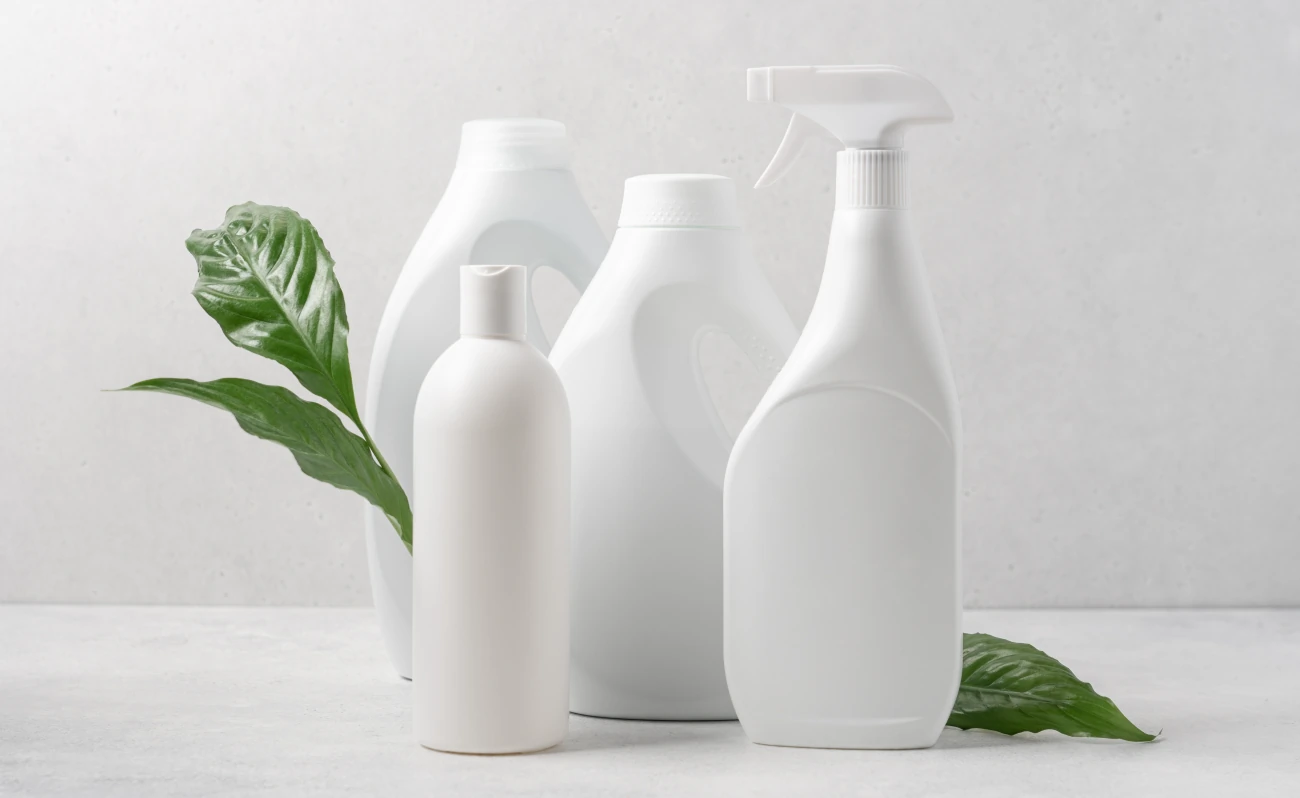
Packaging sustainability matters more than ever. Brands are navigating growing pressure from consumers who favor eco-friendly formats and reward companies that show environmental responsibility. Retailers and distribution partners are also setting new expectations—introducing guidelines that prioritize recyclability, minimize waste, and align with corporate sustainability goals. At the same time, evolving regulations across regions are phasing out certain single-use plastics, requiring recycled content, and introducing packaging-related fees—all of which raise the stakes for inaction. Beyond compliance, packaging has become a visible expression of brand values, directly shaping consumer trust and long-term loyalty.
Sustainability is no longer a niche initiative—it’s become a core factor in brand strategy and supply chain planning. For marketing and procurement teams, the challenge is to reduce environmental impact without sacrificing performance, cost efficiency, or brand consistency. When approached pragmatically, sustainable packaging can support those goals, not compete with them. This post explores how packaging sustainability is showing up across industries, the formats and materials brands are evaluating, and some of the misconceptions that tend to complicate the shift toward more sustainable packaging systems.
Sustainability Considerations by Industry
Sustainability plays out differently across categories—there’s no single solution that fits every product or supply chain. A shift that makes sense for a bottled beverage might not apply to a luxury face cream, a shelf-stable sauce, or an industrial chemical. Each sector comes with its own mix of performance demands, regulatory standards, and brand expectations, all of which influence which packaging strategies are realistic, and which trade-offs matter most.
Food & Beverage

In food and beverage packaging, safety and freshness take priority, with strict regulations and performance requirements shaping which sustainable options are viable. Materials frequently need to meet barrier specifications to prevent spoilage, contamination, or flavor loss—factors that influence how and when recycled or bio-based alternatives can be applied. Packaging is also expected to perform under a range of conditions, from hot-fill and refrigeration to extended shelf life, making functional compatibility just as important as environmental impact.
- Food safety & shelf life: Many products require high-barrier materials or coatings to preserve freshness and prevent contamination. These needs often shape how recycled or bio-based materials can be applied.
- Temperature resilience: Packaging is expected to perform across a range of conditions—from freezing and refrigeration to hot-fill and humidity—which means sustainable options must meet those same performance thresholds.
- Waste vs. preservation tradeoffs: In some cases, slightly more packaging can help reduce food waste, shifting the focus toward overall environmental impact rather than material reduction alone.
- Consumer convenience & trust: New materials or formats are most successful when they maintain ease of use, leak resistance, and quality perception, all of which play a role in long-term consumer acceptance.
In practice, sustainability in this category tends to advance incrementally. Brands most often focus on reducing single-use plastic – either by increasing post-consumer recycled (PCR) content or by shifting to fully recyclable materials such as glass, metal, or mono-material plastics.
Personal Care & Beauty

In personal care and beauty packaging, aesthetics, formula protection, and brand perception are tightly linked. Sustainable solutions must deliver on all three—protecting sensitive formulations while preserving a premium look and feel. Compared to other sectors, this category often calls for packaging that performs not just technically, but also visually and experientially, reinforcing the product’s quality and the brand’s identity with every use.
- Formula compatibility: Some formulations require specific barrier properties, opacity, or UV protection, which can influence material selection when evaluating recycled or bio-based options.
- Luxury & branding: Packaging is part of the product experience—sustainable formats still need to reflect quality, attention to detail, and visual appeal.
- Component complexity: Multi-part packaging (pumps, droppers, caps) can complicate end-of-life handling, leading to interest in mono-material or simplified designs.
- Refill opportunities: Refillable and reusable formats are gaining traction, especially when they maintain product integrity, hygiene, and ease of use for the consumer.
In practice, many brands start with targeted adjustments—adding post-consumer recycled (PCR) content, switching to mono-material structures, or piloting refill systems—as part of a longer-term effort to align sustainability with brand standards and product performance.
Household & Cleaning

Packaging for household and cleaning products is typically designed around durability, cost-efficiency, and functional performance. Sustainability efforts in this category often focus on material optimization, transport efficiency, and recyclability—especially where high-volume products are involved.
- Chemical resistance: Packaging must safely contain harsh formulas without degrading or leaking, even when using recycled materials.
- Concentrates & refills: Concentrated formats and refill systems reduce packaging volume and shipping weight while maintaining product performance.
- Ease of use: New formats must be intuitive and convenient to ensure consumer adoption.
- Recyclability: Using widely recycled materials, lighter colors, and removable labels can improve recycling rates and downstream recovery.
In many cases, sustainability in this sector overlaps with operational efficiency and cost reduction. Light-weighting, concentrated formulas, and refill formats allow brands to lower environmental impact without changing how consumers interact with the product.
Industrial & Chemical
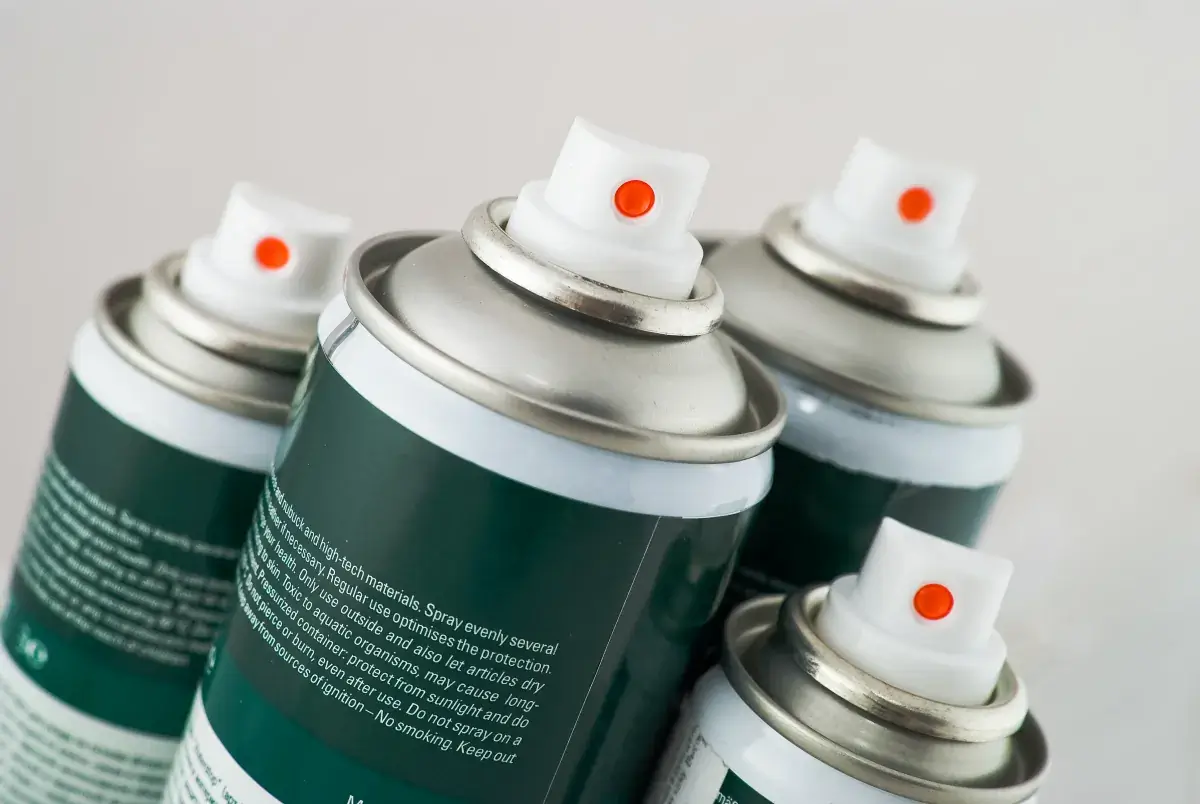
In industrial and chemical packaging, priorities like safety, durability, and regulatory compliance shape which sustainability strategies are feasible. While broad material shifts may be constrained, many initiatives focus on improving reuse systems, optimizing material use, and supporting long-term recovery at scale.
- Regulatory requirements: Packaging must meet strict safety and transport standards, such as DOT pressure ratings and UN ratings, limiting viable material changes.
- Careful lightweighting: Material reduction is feasible, but only when critical performance and safety requirements – such as pressure ratings and drop-test standards – are fully maintained.
- End-of-life recovery: Recycling steel, plastic, and composite containers helps close the loop on high-volume packaging.
For industrial applications, sustainability is closely linked to operational efficiency. Incremental improvements in lightweighting have become a key lever – even small gains can deliver meaningful impact across large-scale supply chains.
Sustainability in Practice: What Brands Are Using and Why
There’s no single material that makes packaging sustainable across every use case. Instead, leading brands treat sustainability as a toolkit—applying different materials and strategies based on product needs, infrastructure, and customer expectations. A solution that works well in one context may be ineffective in another, which is why understanding tradeoffs matters.
PCR Plastics (Post-Consumer Recycled)
Post-consumer recycled (PCR) plastics reuse materials already in circulation, helping reduce reliance on virgin resins while maintaining familiar packaging formats. For many brands, PCR offers a path to incremental sustainability gains without requiring major changes to existing packaging systems.
- Waste reduction: Extends the life cycle of plastic and reduces demand for virgin materials.
- Lower carbon impact: Typically requires less energy to produce than virgin resin.
- Operational fit: Often compatible with existing molds and decoration processes, making it easy to integrate.
- Quality & supply: Color variation, food-grade requirements, and availability can influence adoption.
PCR enables brands to make measurable progress without overhauling existing packaging, particularly when adopted incrementally. PCR is now widely used in packaging to reduce the environmental impact of plastic manufacturing.
When integrating PCR into packaging, selecting the right resin type and inclusion rate is critical. An experienced supplier can help identify PCR solutions that meet sustainability goals while maintaining required functional performance. Evergreen Resources supports PCR inclusion levels up to 100%, with minimal impact on visual clarity.
Learn more about Evergreen’s approach to PCR Packaging here
Bio-Based & Bio-Degradable
Bio-based materials are derived from renewable resources like corn, sugarcane, or cellulose, and include everything from drop-in resins that mimic conventional plastics to compostable materials designed for specific end-of-life pathways. Their role in sustainable packaging depends on how well they align with product performance needs and the disposal systems available in the regions where they’re used.
- Renewable inputs: Reduce dependence on fossil-based feedstocks.
- Compostability (in some cases): Applies to certain bio-resins where composting infrastructure exists.
- Performance variability: Some match traditional plastics, while others have limitations with heat, moisture, or shelf life.
- End-of-life clarity: Impact depends on clear communication and access to the correct disposal channels.
Bio-based packaging offers brands flexibility and innovation potential, but works best when its properties are clearly understood and applied in the right context.
When evaluating bio-resin packaging, transparency around material performance and biodegradability is essential, as outcomes can vary significantly by resin type and application. An experienced supplier can help assess where bio-resins are appropriate and clarify realistic performance expectations. Evergreen offers bio-resin packaging across a range of formats, with maximum bio-resin content varying by product. Select biodegradable options are available and are designed to fully biodegrade within two years when discarded in open-land environments. All Evergreen bio-resin manufacturing facilities are ISO 9001 certified.
Learn more about Evergreen’s approach to Bio-Resin Packaging here.
Refillable & Reuse Systems
Refill and reuse systems reduce single-use packaging by extending the life of containers across multiple product cycles. These formats are gaining traction in both personal care and household categories, offering a way to combine waste reduction with brand engagement—especially when designed with convenience in mind.
- Waste reduction: Fewer disposable packages over time.
- Customer retention: Refill systems can support repeat purchasing and brand loyalty.
- Operational complexity: Success depends on solving for hygiene, reverse logistics, and consumer convenience.
- Upfront investment: Durable packaging may cost more initially but can pay off over multiple uses.
When evaluating refillable and reuse systems, it is important to assess both functional durability and long-term brand relevance. The reusable component must be designed to withstand repeated use while supporting advanced decoration techniques that maintain shelf appeal over time. An experienced supplier can also help ensure refill components are optimized for sustainability, including the use of PCR where appropriate. When thoughtfully implemented, refill systems can deliver meaningful environmental impact while reinforcing a brand’s long-term sustainability commitments.
Learn more about Evergreen’s approach to Refillable Packaging here.
Lightweighting
Lightweighting focuses on reducing material usage while maintaining the structural and functional performance of the package. Often implemented behind the scenes, this strategy supports both cost savings and emissions reduction without requiring visible changes to the consumer experience.
- Material efficiency: Uses less resin or substrate, lowering cost and environmental footprint.
- Transportation savings: Reduced weight translates to lower shipping emissions across the supply chain.
- Design-driven: Success depends on thoughtful engineering, testing, and tolerance control.
- Consumer-neutral: When executed well, it has little to no impact on how the product looks or feels.
When evaluating lightweighting opportunities, it is critical to balance material reduction with performance, safety, and regulatory requirements. Effective lightweighting depends on a deep understanding of product specifications – including pressure ratings, drop-test standards, and real-world use conditions. An experienced supplier can help identify where material can be reduced without compromising functionality or supply-chain reliability. When executed thoughtfully, lightweighting remains one of the most widely adopted sustainability levers, delivering measurable impact with minimal operational disruption. Lightweighting is most commonly applied in Glass Packaging.
Mono-Material & Recyclable Designs
Mono-material packaging aims to simplify end-of-life processing by minimizing material complexity. These designs are gaining traction as brands work to align with recycling infrastructure and anticipate future regulatory shifts around material separation and recovery.
- Improved recyclability: Single-material formats are generally easier to identify, sort, and reprocess.
- Material innovation: New barrier coatings and structures are emerging to replace traditional multi-layer formats.
- Component redesign: Labels, closures, and pumps are being simplified or made from compatible materials.
- Aesthetic tradeoffs: Achieving full recyclability may require changes in appearance or tactile feel.
Because recyclability claims can vary widely, alignment with established standards matters – the Association of Plastic Recyclers (APR) is widely regarded as the most reputable organization for certifying compatibility with existing recycling systems. Evergreen offers mono-material, recyclable options across dispensing components, including sprayers and pumps, as well as tubes, helping brands improve recyclability in formats that are traditionally more complex.
Download Evergreen’s Mono-material Recyclable Pumps & Sprayers brochure here.
Taken together, these approaches show that sustainable packaging is rarely about a single solution. Brands often combine multiple strategies—lighter designs, recycled content, refill systems, and improved recyclability—to meet environmental targets while supporting performance, cost, and supply chain efficiency. The right mix depends on context, and progress often comes through thoughtful iteration rather than sweeping change. At Evergreen, we offer a full range of sustainable formats and materials—including PCR, bio-resins, refill systems, mono-material designs, and more—to help teams build packaging that aligns with both sustainability goals and real-world production needs.
Bringing It All Together: Sustainability in Practice
Sustainable packaging isn’t about identifying a single flawless solution – it’s about making informed, deliberate choices that align materials, formats, and systems with long-term brand and business priorities. In practice, progress is often incremental, shaped by real-world constraints such as performance requirements, supply-chain complexity, regulatory expectations, and cost. When approached thoughtfully, sustainability becomes a driver of resilience, operational efficiency, and innovation, rather than a competing objective.
Across approaches like lightweighting, PCR integration, mono-material design, refill systems, and alternative materials, the common thread is execution. Meaningful impact depends not only on material selection, but on how solutions perform at scale, integrate into existing operations, and hold up over time. This is where experience, transparency, and technical rigor matter most.
At Evergreen Resources, we view sustainable packaging as an evolving, collaborative process. By helping brands evaluate options, understand trade-offs, and identify practical paths forward, we support progress that strengthens both packaging performance and business outcomes. Explore Evergreen’s sustainable formats here or connect with a packaging expert to discuss what’s possible for your product line (Get Started)