
A 3D-printed prototype is the fastest way to validate a new packaging design, but understanding where 3D models fit into the development process, and where they don’t, is essential to avoiding delays and misaligned expectations.
Brands that use 3D prototypes correctly move faster. Those that misuse them often end up repeating steps.
What a 3D-Printed Prototype Actually Is
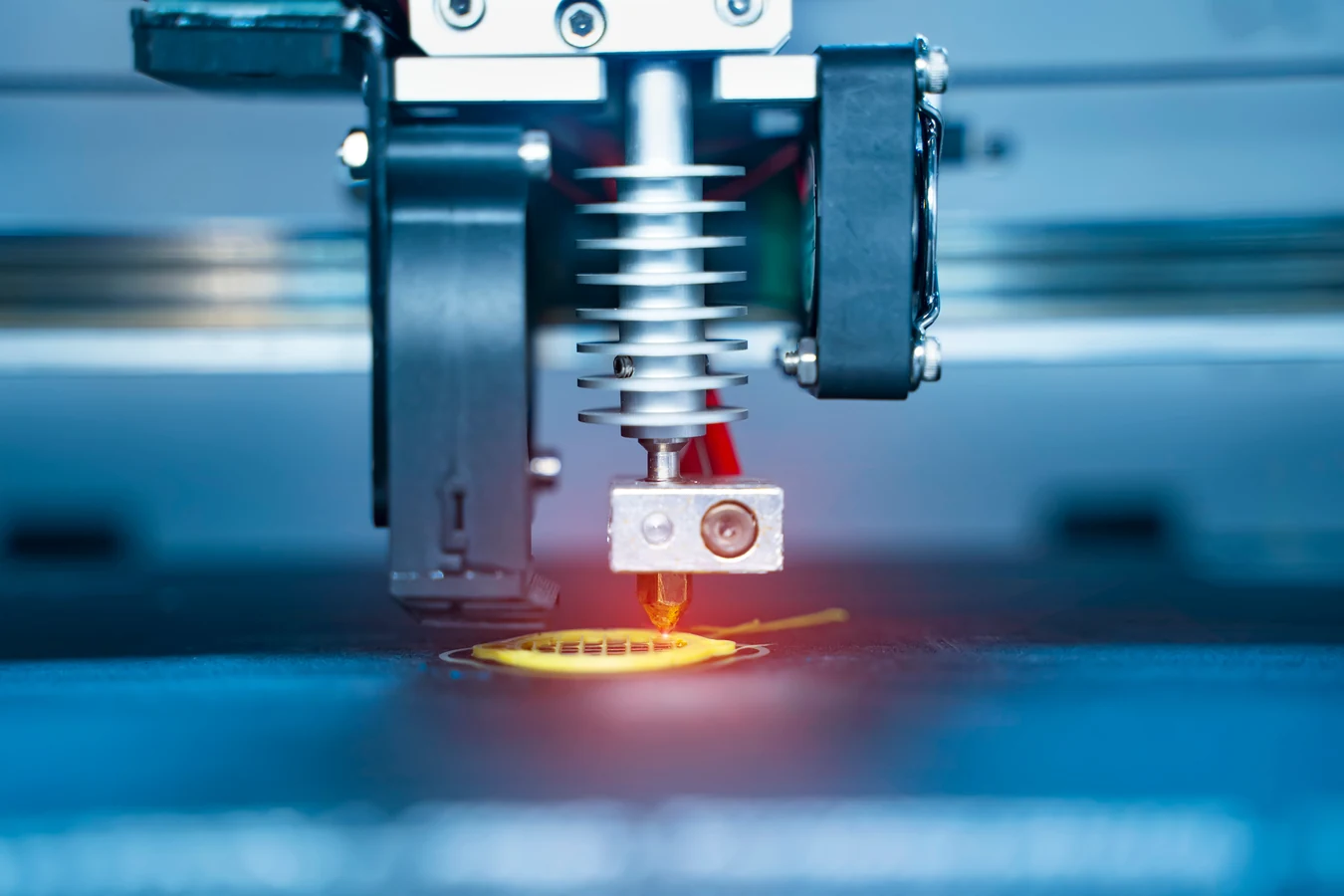
A 3D-printed prototype is a physical model produced directly from a digital design file, without any production tooling. It gives you something tangible to hold, review, and share — faster than any other method in packaging development.
Prototypes can be printed using different materials:
- Opaque white or cream – produced in PLA or ABS
- Clear/transparent – produced in PETG or PET
Prototypes are typically provided upon receipt of a tooling purchase order. Cost varies by sample size and material.
When 3D Models Are the Right Tool
3D prototypes are built for one purpose: helping customers visualize and physically assess a new package design before committing to production tooling.
If your team has been working from 2D drawings or digital renders, a 3D-printed model bridges the gap between screen and shelf. It answers practical questions — Does the shape feel right in hand? Are the proportions balanced? Is the closure placement where we expected? — before any steel is cut.
This makes 3D prototyping most valuable in the early stages of a new development project, when design intent still needs to be confirmed and minor changes are low-cost to make.
When 3D Models Are Not the Right Tool
There are two situations where a 3D prototype adds little value — or can actively mislead.
For existing products switching suppliers. If you already have a production sample from your current supplier, that sample is your reference. A 3D-printed model of the same item won’t tell you anything the existing sample doesn’t already show. In this case, moving directly to pilot or production tooling is the right path.
For material or functional testing. 3D-printed models are always plastic, and their tolerances reflect the printing process — not the production process of the actual container. A prototype produced in PLA will not behave like a production glass bottle or metal can. It will not tell you how the material performs under fill conditions, how the closure seals, or how the container handles pressure or temperature.
Stability testing, drop testing, and fill compatibility assessments must always be conducted on production-process samples, not 3D prints. Using a prototype for these purposes will produce misleading results.
How 3D Prototypes Fit Into the Broader Development Timeline
The fastest path from concept to production looks like this:
- 3D prototype — validate design intent and physical form (as fast as 48 hours)
- Pilot mold — confirm manufacturability and refine details before full investment (average 25 days)
- Production mold — built for long-term use at scale (average 30-70 days)
- Pre-production samples — final approval before mass production
A 3D prototype accelerates step one — but it does not replace any subsequent step. Teams that treat a prototype as a substitute for pilot tooling often discover fit, finish, or structural issues later in the process, when changes are more expensive.
What to Expect From the Process
When you request a 3D prototype through Evergreen, our team works from your digital design file and confirms material selection before production begins. Delivery in as little as 48 hours is available for standard requests, though timing varies based on complexity and sample size.
Once the prototype is approved, the project moves into tooling — with a clear development timeline provided at the outset covering each stage through to production approval. No surprises, no ambiguous milestones.
Getting the Most Out of Early-Stage Packaging Development
3D prototypes are a genuine asset in packaging development when used correctly. They compress the feedback loop on new designs, reduce the risk of committing to tooling prematurely, and give cross-functional teams — including marketing, product, and regulatory — something concrete to evaluate before any major spend is made.
The key is knowing what question you’re trying to answer. If the question is “does this design look and feel right?”, a 3D print will answer it quickly. If the question is “will this container perform in production?”, you need a production-process sample.
Evergreen’s custom tooling development capability covers the full journey — from 3D prototyping and pilot molds through to production tooling and pre-production approval. If you’re starting a new packaging development project or want to understand which stage is right for your current needs, visit our Custom Tooling Development page or get in touch with our team directly.
FAQ
What is a 3D-printed packaging prototype?
A 3D-printed prototype is a physical model of a new package design produced directly from a digital file, without production tooling. It allows brands to assess the form, proportion, and feel of a design before committing to mold investment. Evergreen can deliver 3D prototypes in as little as 48 hours.
When should I use a 3D prototype in packaging development?
3D prototypes are most useful when validating a newly designed package that only exists in drawings or digital renders. They give cross-functional teams a tangible reference point early in development, before tooling costs are committed.
Can a 3D-printed prototype be used for material or functional testing?
No. 3D-printed prototypes use printing-process materials and tolerances that do not reflect the production process of the actual container. Material testing, stability testing, and functional assessments must be conducted on production-process samples.
Do I need a 3D prototype if I’m switching suppliers for an existing product?
No. If a production sample of the existing product is already available, it serves as the reference. A 3D model of the same product adds no additional information and is not a recommended use of this tool.
What materials are available for 3D-printed packaging prototypes?
Evergreen offers opaque white or cream prototypes in PLA or ABS, and clear/transparent prototypes in PETG or PET. Material selection depends on what visual or physical properties you need to evaluate.
How long does it take to receive a 3D-printed prototype?
Evergreen can deliver 3D-printed prototypes in as little as 48 hours for standard requests. Timing varies based on the complexity of the design and the sample size required.
When are 3D prototypes provided in the project process?
Prototypes are provided upon receipt of a tooling purchase order. Cost depends on sample size and material.
How does a 3D prototype fit into the full packaging development timeline?
A 3D prototype is the first step in a structured development process — validating design intent before pilot tooling, production tooling, and pre-production sampling. It accelerates early-stage review but does not replace any subsequent development stage.