

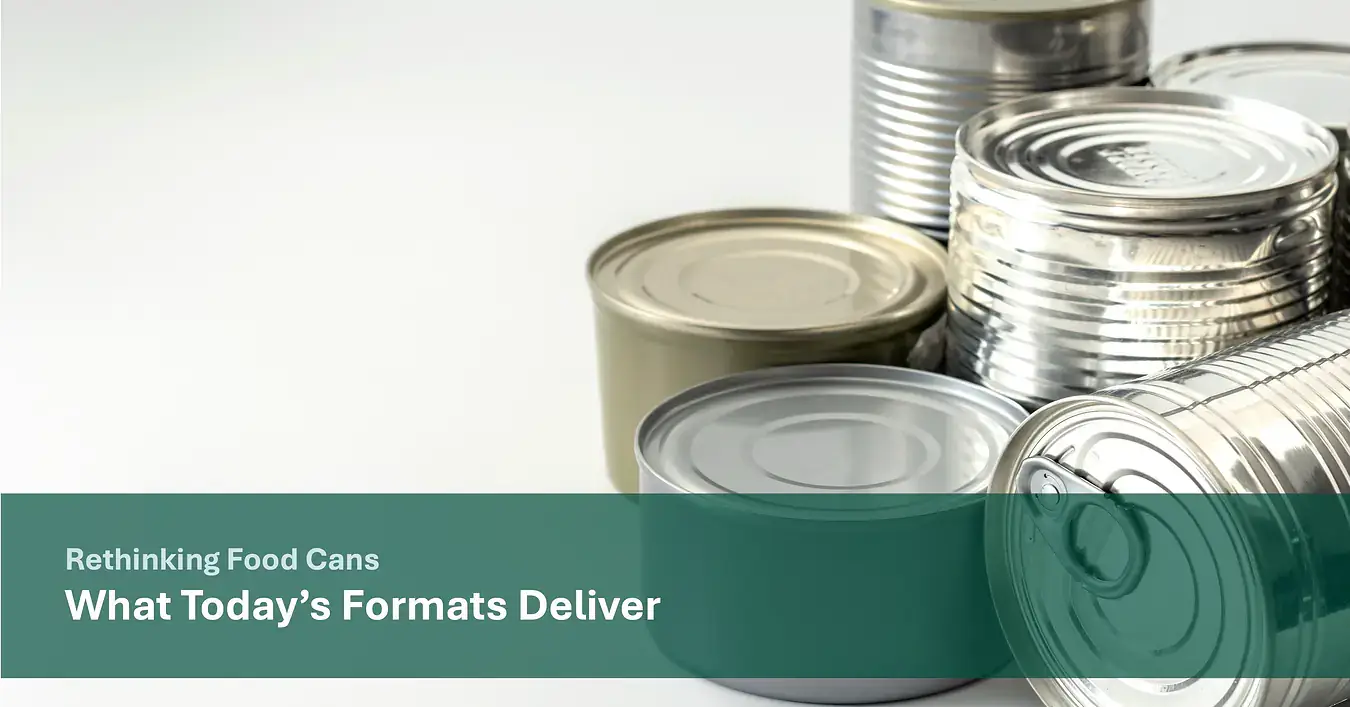
Metal cans have stood the test of time for one simple reason: they are great at keeping food products safe. While their origins date back more than a century, today’s food-grade metal cans represent a remarkable evolution in both performance and sustainability. With advances in coating technology, precision manufacturing, and recyclability, metal packaging now delivers premium protection and visual appeal across countless food and beverage categories.
From sauces and soups to oils, coffee, and ready-to-drink beverages, brands are rediscovering the value of metal for its unmatched barrier protection, long shelf stability, and modern, sustainable image. In this guide, we explore the strengths of tinplate and aluminum, the types of can constructions available, and how different closures and linings impact product safety, appearance, and consumer experience.
Metal packaging has re-emerged as a leading choice for food and beverage brands. Its ability to balance performance, sustainability, and design flexibility continues to set it apart from other formats, making it a reliable option for both established and emerging product lines.
Tinplate vs. Aluminum: Choosing the Right Material
Selecting between tinplate and aluminum is often the starting point when specifying a food-grade metal can. Each material brings distinct strengths: tinplate offers rigidity and heat resistance, making it well-suited for retorted and shelf-stable foods, while aluminum provides light weight and natural corrosion resistance — a strong fit for beverages and products where portability or a premium finish is key.
Both materials support recyclability and can be paired with BPA-NI coatings to meet regulatory and consumer expectations. While aluminum continues to lead in beverage formats, tinplate remains the standard for high-temperature food processing. The choice often comes down to product needs, process requirements, and design priorities — not just material preference.
Tinplate (Steel with a Tin Coating)
Tinplate cans combine a steel core with a thin tin coating that prevents corrosion and enhances durability. This layered construction delivers impressive strength and barrier performance, protecting against oxygen, light, and moisture. Tinplate also maintains its integrity under pressure and heat, making it a staple for processed and canned foods.
Key Advantages:
- Strength and Rigidity: Highly resistant to denting and deformation during stacking, shipping, and storage.
- Barrier Protection: Internal lacquers and the tin coating preserve product freshness, flavor, and color.
- Heat Resistance: Suitable for retort sterilization and long-term storage of soups, vegetables, and sauces.
- Cost Efficiency: Widely available and cost-effective for high-volume production.
- Sustainability: Fully recyclable and compatible with BPA-NI coating systems.
Tinplate remains the material of choice for shelf-stable foods that require strength, durability, and long-term preservation. Its widespread compatibility with automated filling lines and ability to support a range of can formats makes it a practical option for both legacy brands and new product development. At Evergreen, we help teams evaluate tinplate options in the context of product goals, processing needs, and sustainability targets — so packaging decisions are grounded in both performance and practicality.
Aluminum
Aluminum offers a combination of lightweight performance and natural corrosion resistance that’s hard to match. It’s the go-to material for beverages, RTDs, and products where portability and aesthetic design matter. Its seamless one-piece structure is both strong and hygienic, allowing for precise shaping and advanced decoration options.
Key Advantages:
- Lightweight and Corrosion-Resistant: One-third the weight of steel, with a natural oxide layer that protects against acidic contents.
- Ideal for Beverages and RTDs: Handles internal pressure from carbonation or nitrogen dosing with ease.
- Recyclability and Circular Value: Infinitely recyclable and energy-efficient to reprocess.
- Premium Look and Printability: Offers high-quality decoration with matte, gloss, or textured finishes.
Aluminum’s light weight and superior finish make it a top choice for beverage and RTD brands. Its infinite recyclability adds to its appeal, supporting circularity goals without compromising performance. The material also enables precise shaping and advanced decoration, offering flexibility for both functional and branding needs. With strong corrosion resistance and compatibility with pressure-filled applications, aluminum continues to be a dependable choice in fast-moving beverage segments.
Chart of Aluminum vs Tinplate Metal Cans:
| Property | Tinplate (Steel + Tin) | Aluminum |
|---|---|---|
| Strength & Rigidity | High | Moderate |
| Heat Resistance | Excellent (retort-compatible) | Limited |
| Weight | Heavier | Very lightweight |
| Corrosion Resistance | Requires coating | Naturally resistant |
| Cost | Lower | Higher |
| Recyclability | Excellent | Excellent |
| Ideal For | Shelf-stable foods | Beverages & RTDs |
Types of Metal Can Structures
Metal cans are not one-size-fits-all. Depending on the product’s fill method, pressure tolerance, and visual objectives, brands can choose between monobloc, two-piece, or three-piece designs. Each structure serves a specific performance need—ranging from pressurized beverage formats to retorted food containers.
Understanding these distinctions helps ensure proper performance through processing, shipping, and consumer use.
The construction method directly impacts product safety, efficiency, and consumer experience. Choosing the right type of can structure ensures performance from filling line to shelf.
1. Monobloc (One-Piece) Cans
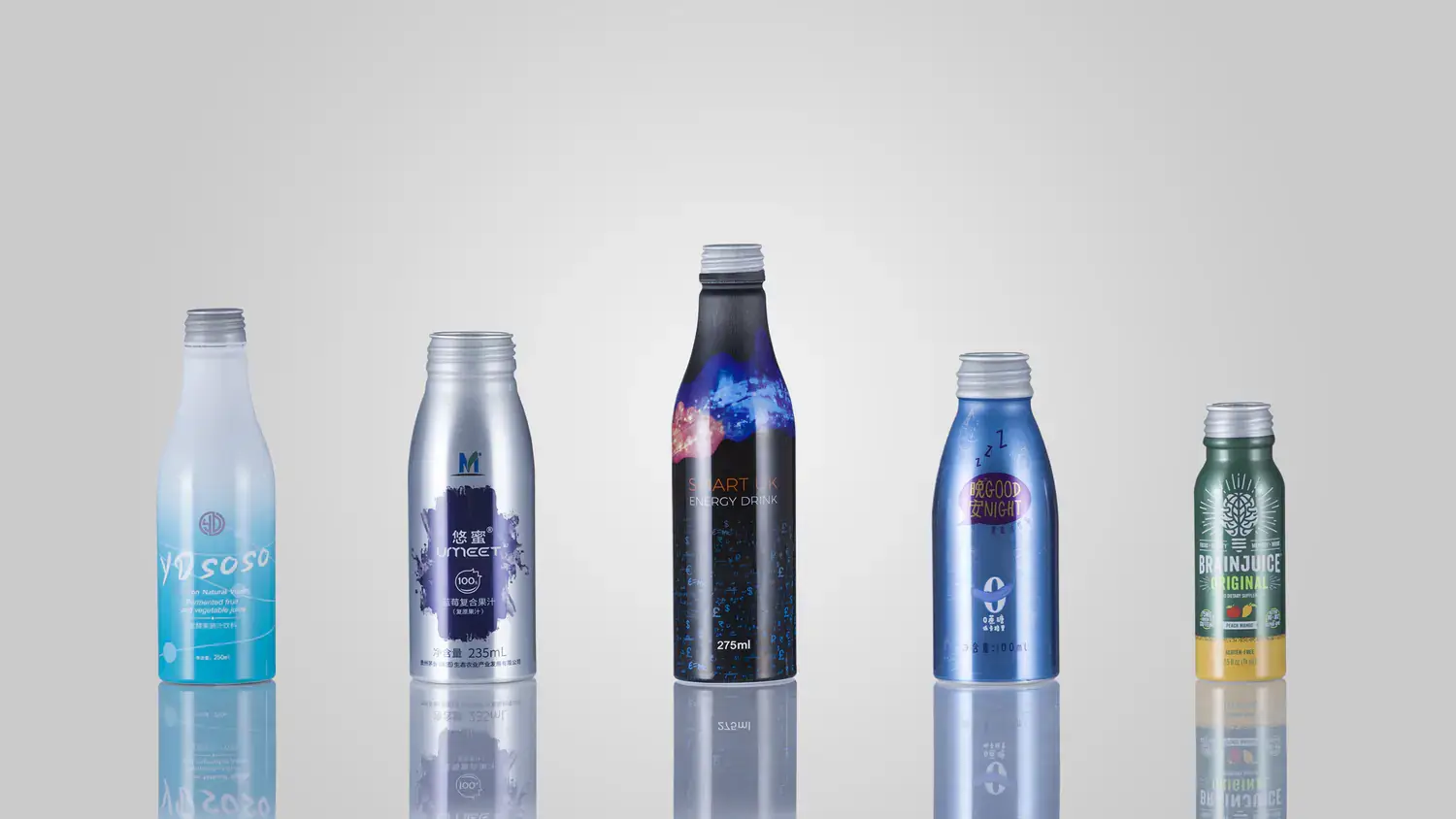
Monobloc cans are formed from a single piece of metal, eliminating seams and offering superior strength under pressure. This structure is especially useful for beverages and aerosols that require internal pressure containment.
Common Formats:
- Aluminum Bottles – Lightweight, cold- or pressure-filled containers for energy drinks and specialty beverages.
- Aluminum Aerosol Cans – Seamless, high-pressure containers for edible sprays like whipped cream or cooking oils.
Monobloc designs deliver unmatched pressure resistance and a premium aesthetic. Their seamless structure also reduces the risk of leakage and simplifies regulatory compliance for pressurized applications. With high visual appeal and strong performance, monobloc cans are especially well-suited for customers aiming to combine functional reliability with elevated shelf presence.
2. Two-Piece Cans
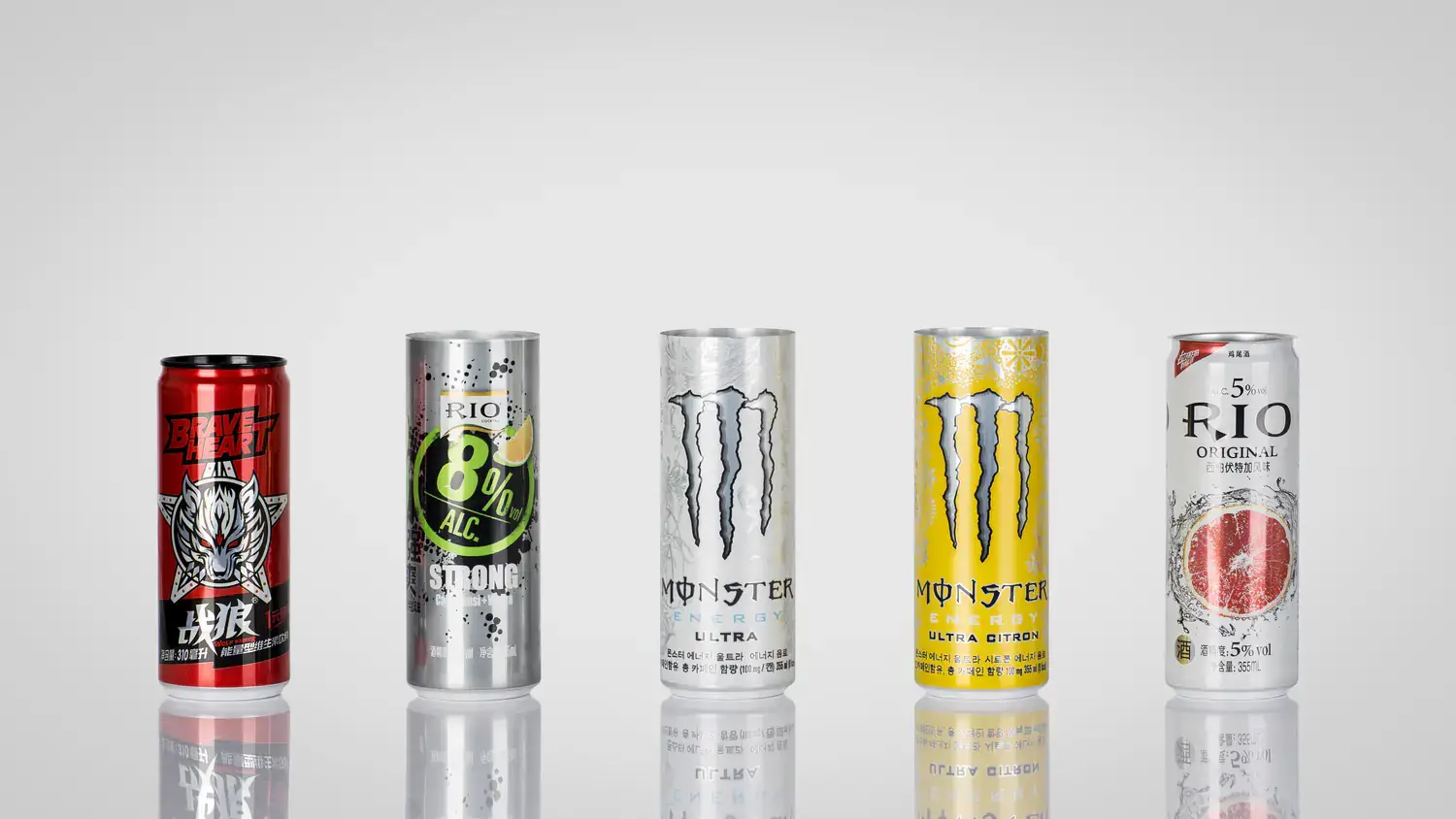
Two-piece cans are formed from one drawn body and one end, providing exceptional sealing integrity and modern appearance. This format dominates beverage packaging and is also used for ready meals and soups.
Details:
- Materials – Aluminum for beverages; tinplate for foods requiring more rigidity.
- Processes – Cold fill with tunnel pasteurization or retort sterilization for stability.
Favored for their balance of form and function, two-piece cans support both visual branding and reliable product protection. Their streamlined structure reduces material usage and simplifies the seaming process, which can translate to faster production speeds. For customers balancing processing requirements with design flexibility, two-piece formats provide a proven, scalable solution.
3. Three-Piece Cans
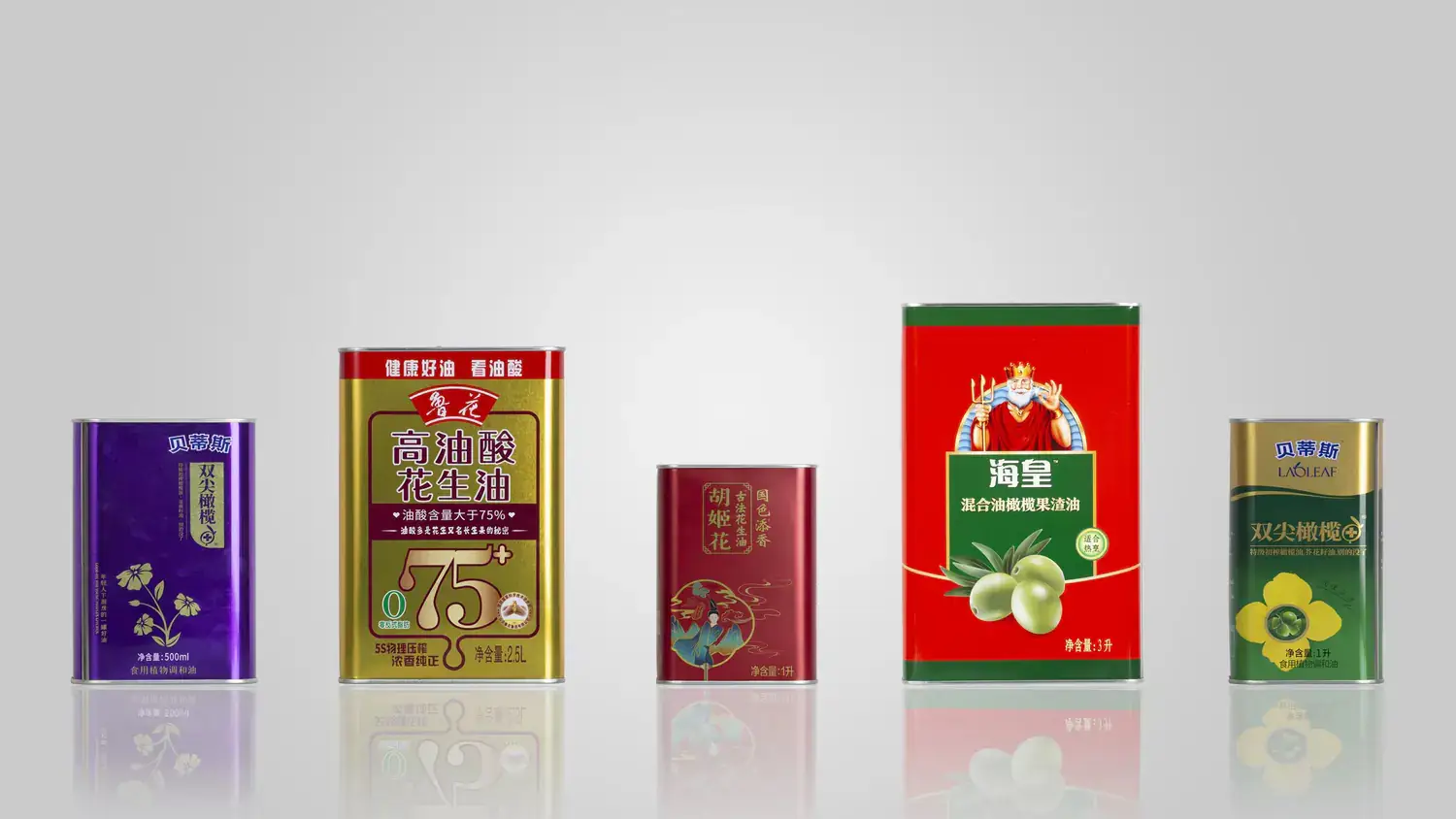
Three-piece cans feature a cylindrical body with a welded side seam and two end pieces. This traditional format offers flexibility in height, diameter, and volume—ideal for a variety of food products.
Details:
- Materials – Tinplate or tin-free steel for durability and retort compatibility.
- Applications – Oils, sauces, vegetables, beans, pet foods, tomato-based products, and most recently alcohol products with the innovation of lining that is safe for high-proof alcohol
- Filling – Typically retort or hot-fill for extended shelf life.
Known for their adaptability, three-piece cans support a wide range of product sizes and processing methods. Their modular construction allows for easy customization, making them a strong fit for product lines with varied SKUs or specialized filling requirements. This flexibility—paired with compatibility across global processing and seaming lines—helps maintain their relevance in both legacy and emerging food categories.
Closures and Openings
Closures are critical in shaping how consumers interact with the product. The right end type improves functionality, safety, and convenience while also reinforcing brand positioning. From easy-open lids to threaded nozzles, closure design directly affects usability and perceived quality.
Types of Closures:
- Easy-Open Ends (EOE): Pull-tab lids for soups, RTDs, and ready meals.
- Foil Seal: Peelable foil or film for powders and dry foods.
- Threaded Nozzles: Reclosable spouts for syrups, oils, and condensed milk.
- Removable End Lids (REL): Full-aperture openings for pet foods and desserts.
- Crown Finish: Crimped closures for beer and carbonated drinks.
- Aerosol Valves: Crimped systems for pressurized edible sprays and foams.
Beyond function, closures also signal cues about product quality, ease of use, and customer intent. From a packaging perspective, selecting the right closure is about more than sealing the product—it’s about shaping the consumer experience and supporting operational needs without compromising shelf appeal.
Liners and Internal Coatings
What makes a metal can “food-grade” lies in its liner. These invisible coatings prevent corrosion, flavor transfer, and chemical reactions between the product and the metal. The right liner ensures safety, stability, and flavor integrity throughout the product’s life cycle.
Common Types:
- BPA-NI (Non-Intent): Advanced hybrid coatings with no intentionally added BPA—ideal for clean-label applications.
- Epoxy Liners: Durable and heat-resistant, suitable for low-acid, retorted foods.
- Film-Coated Liners: Laminated polymer films for sensitive or premium applications like dairy or infant foods.
Often overlooked by consumers, liners play a vital role in packaging performance behind the scenes. Matching the right coating to the product ensures not only compliance, but also long-term integrity across manufacturing, storage, and distribution environments. At Evergreen, we help brands evaluate liner options based on product chemistry, shelf life needs, and processing methods—so performance and safety are built into every spec.
Industry Applications
Metal cans play a central role across beverage, alcohol, and food markets. Their versatility allows brands to adapt packaging to performance needs while maintaining consistency in sustainability and shelf appeal.
1. Beer, Wine & Spirits
The alcohol sector increasingly favors cans for their durability, portability, and creative potential. They provide a modern, shatter-proof solution that supports striking designs for RTDs and craft beverages.
Metal packaging gives alcohol brands a practical yet premium edge, combining portability with high-end aesthetics.
2. Food Products
In food packaging, cans remain unmatched for long shelf life, barrier protection, and compatibility with high-heat processing. The variety of sizes and closures supports both mass-market and gourmet offerings.
Tinplate cans continue to define food preservation, offering safety, flexibility, and proven performance across global supply chains.
3. Non-Alcoholic Beverages
For soft drinks, energy drinks, and cold brews, aluminum cans dominate. They maintain carbonation, protect from light, and provide a high-quality surface for branding.
Aluminum remains the cornerstone of beverage packaging, balancing lightweight performance with recyclability and shelf appeal.
Across all segments, metal cans combine durability, safety, and design freedom—making them a future-ready choice for both established and emerging brands.
Choosing the Right Can
Selecting the optimal can involves balancing product chemistry, process, and consumer experience. Factors such as acidity, fill temperature, and desired shelf life all influence the material, liner, and closure you’ll need.
Key Considerations:
- Product Type & Acidity: Acidic foods require corrosion-resistant liners; low-acid items benefit from retort-compatible coatings.
- Filling Process: Aluminum suits cold or pressure fills, while tinplate withstands high-heat retort processes.
- Shelf Life & Temperature: Metal offers near-zero oxygen transmission for long ambient storage.
- Consumer Experience: Choose closures that enhance ease of use and brand image.
- Brand Positioning: Decorative finishes reinforce identity and perceived value.
There’s no one-size-fits-all answer—effective can selection depends on how product characteristics, processing conditions, and consumer expectations intersect. At Evergreen, we work with customers to align packaging materials, linings, and closures with the realities of their production and positioning—so each decision supports both product integrity and market performance.
Why Metal Cans Remain a Trusted Choice
Metal packaging continues to define excellence in performance, presentation, and sustainability. From its unmatched product protection to its infinite recyclability, it’s a solution that benefits both customers and end consumers. Metal cans endure shipping, heat, and handling—without compromising freshness or safety.
Key Advantages:
- Fully recyclable and endlessly reusable
- Provides total protection from oxygen, light, and moisture
- Withstands extreme heat during processing
- Shatter-proof and tamper-resistant
- Premium aesthetic for shelf differentiation
- Compatible with global filling and seaming lines
The combination of performance, reliability, and sustainability makes metal cans one of the most future-proof packaging formats available today. They bridge the gap between practicality and premium presentation. At Evergreen, we help customers evaluate metal packaging based on product requirements, processing conditions, and brand goals—so the format delivers both technical confidence and shelf impact.
Conclusion
Metal cans have evolved from a traditional preservation method into a high-performance, design-forward packaging solution. They offer brands the rare ability to combine product safety, consumer convenience, and sustainability within a single format. Whether you’re developing a new RTD beverage, retorted meal, or specialty food product, metal packaging offers both the protection and visual impact to help your brand stand out.
At Evergreen Resources, we supply a comprehensive range of food-grade metal cans, liners, and closures, along with the technical expertise to match your packaging to your production process and marketing goals.
Explore more: Food-Grade Metal Cans