

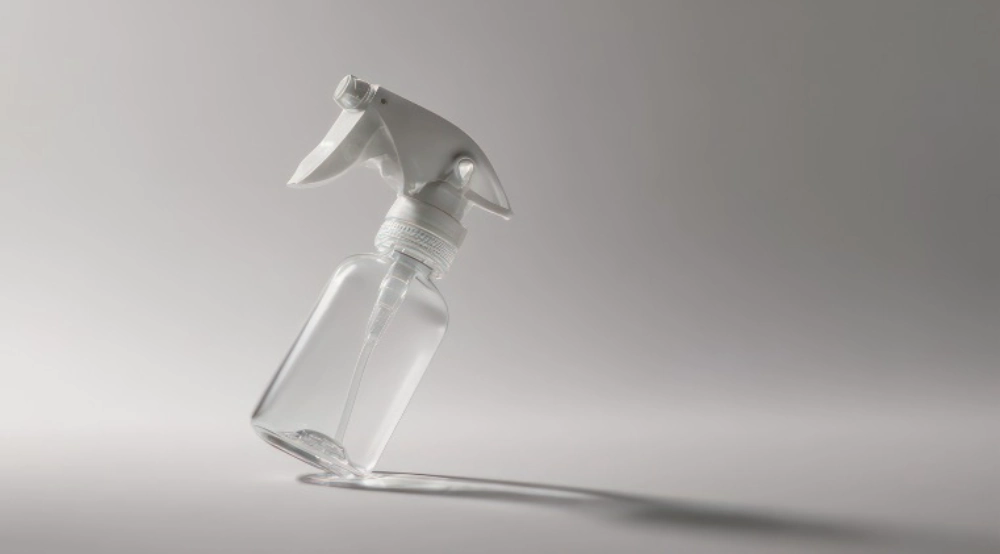
Dispensing systems are more than functional components — they directly shape product performance and brand experience. Across beauty, personal care, hygiene, and home applications, pumps and sprayers influence dosing precision, user interaction, and perceived quality at every use. As formulations become more sophisticated and sustainability standards rise, the engineering behind these components carries greater weight than ever.
Below is a overview of the primary dispensing formats shaping the market today. To learn more about the sustainability-driven innovations defining this space, read our blogpost on Innovations in Dispensing.
Fine Mist Sprayers
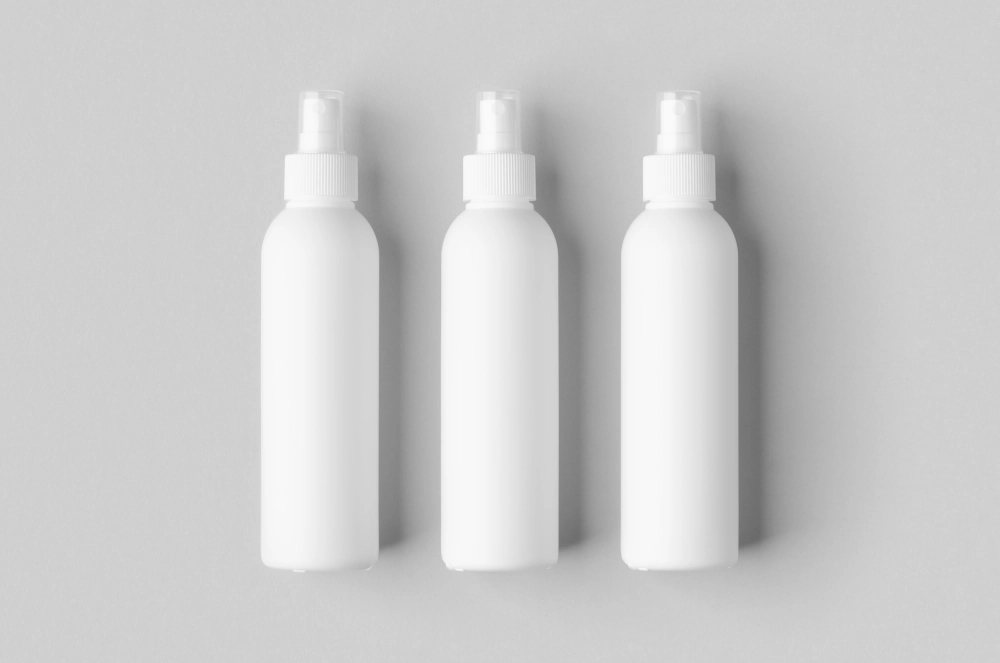
Fine mist sprayers are widely used in fragrance, facial mists, haircare, sanitizers, and select home care products. Performance expectations center on spray consistency, particle distribution, and smooth actuation.
Product Benefits
- Popular packaging choice for liquid-to-mist applications
- Ease-of-use and precisely controlled output
- Consistent spray pattern and fine atomization for enhanced product experience
Statistics (source)
- Market size: $1.5 billion
- Projected size: $2.2 billion by 2031
- CAGR: 4.8% (2023–2031)
Market Trends
Demand remains steady across personal care and hygiene categories, with continued premiumization in beauty and fragrance. Brands are increasingly focused on spray quality, aesthetic upgrades, and compatibility with evolving formulations.
Fine mist sprayers continue to offer dependable growth driven by multi-category demand and incremental performance improvements rather than disruptive shifts.
Specifications
Fine mist sprayers are available in a wide variety of neck sizes, colors, outputs, and styles. Choose from standard, high-viscosity, and sustainable options, as well as a range of decoration capabilities. All dip tube lengths are available and customized to fit your bottle of choice. To learn more and see detailed specifications, visit our page on Fine Mist Sprayers.
Trigger Sprayers

Trigger sprayers are widely used across household, industrial, and select personal care applications where adjustable spray patterns and larger output volumes are required. Designed for durability and consistent performance, they support reliable dispensing in high-frequency use environments.
Product Benefits
- Adjustable spray, stream, foam, or off settings for controlled application
- Durable construction designed for repeated, high-use dispensing
- Compatible with standard continuous thread finishes for seamless integration
Statistics (source)
- Market size: $516.1 million (2026)
- Projected size: $747 million by 2034
- CAGR: 4.7 % (2026–2034)
Market Trends
Demand remains steady in household cleaning and industrial applications, with growing emphasis on durability, leak prevention, and ergonomic design. Sustainability efforts are increasingly focused on resin reduction, PCR integration, and improved recyclability of multi-part assemblies. Incremental mechanical improvements continue to drive differentiation in a mature but resilient category.
Specifications
Trigger sprayers are designed for higher-volume dispensing, with nozzle settings that allow users to switch between spray patterns based on application needs. Available in standard and high-output configurations, they can be paired with customizable dip tube materials and lengths to fit your bottle and formulation. Sustainable options include PCR-compatible components and mono-material designs that support improved recyclability. For detailed technical specifications, visit our page on Trigger Sprayers.
Lotion Pumps
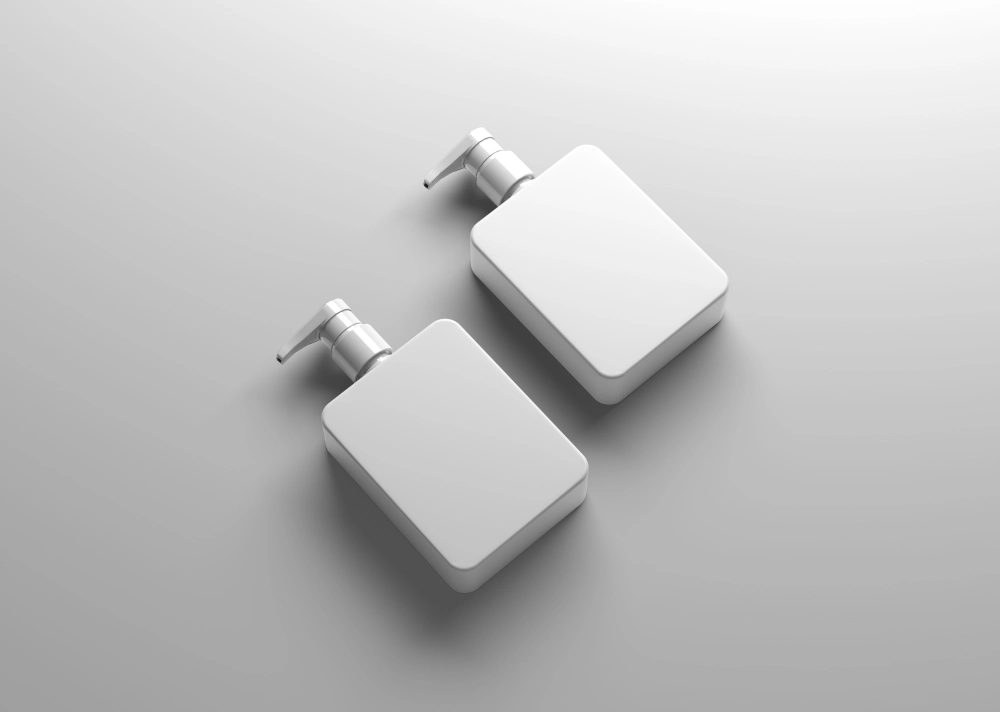
Lotion pumps remain the highest-volume dispensing format across body care, haircare, hand soap, sun care, and home products. Their broad viscosity compatibility makes them a core packaging component for global brands.
Product Benefits
- Convenient, mess-free dispensing of measured liquid volumes
- Wide range of finishes and output options for flexible application across product categories
- Compatible with standard continuous thread finishes for seamless line integration
Statistics (source)
- Market Size: $2.5 billion
- Segment CAGR: 3.6% (2024–2030)
- Broader dispenser pump market: $8.2 billion (2024) projected to $10.9 billion by 2030 at 4.9% CAGR
Market Trends
Growth is tied to everyday personal care demand, particularly in emerging markets. At the same time, cost efficiency, leak prevention, and recyclability improvements are driving redesign efforts across high-volume SKUs.
Lotion pumps remain the structural backbone of the dispensing market, where incremental engineering gains can create significant value at scale.
Specifications
Lotion pumps are available in a wide variety of neck sizes, finishes, outputs, and lock styles to support Personal Care and Home Care applications. Choose from lotion, serum, foaming, sprayer, and crimp pump options to match your product formulation and dispensing needs. Dip tubes are customizable by material and length to fit your bottle of choice. Sustainable options are available, including APR-certified 100% recyclable pump designs. To learn more and see detailed specifications, visit our page on Dispensing Pumps
Airless Pumps
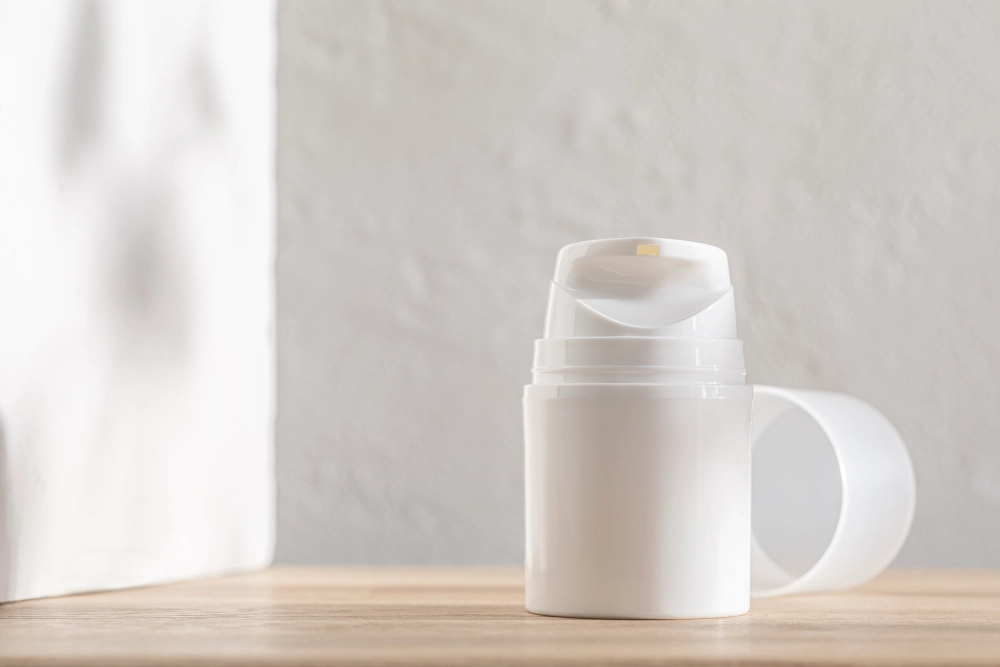
Airless packaging protects formulations from oxidation and contamination, extending a product’s shelf life and minimizing waste. Both functional and beautiful, airless containers have become a preferred choice in packaging for personal care and pharmaceuticals. In premium skincare and derm-focused products, serum pumps often align with airless systems designed to protect sensitive formulations and improve evacuation rates.
Product Benefits
- Enhanced formula protection by limiting air exposure during dispensing
- Controlled, consistent dosing suitable for serums, creams, and derm-focused products
- Enhances product longevity and perceived premium quality
Statistics (source)
- Market Size: $6.71 billion
- Projected size: $10.91 billion by 2035
- CAGR: 4.98% (2026–2035)
Market Trends
Growth tracks closely with active skincare, prestige beauty, and products requiring oxygen protection. Brands are pairing performance benefits with premium decoration and refill-oriented strategies.
This segment reflects the strongest alignment between dispensing performance and product positioning, particularly in higher-margin beauty categories.
Specifications
Airless pumps are available in a wide range of capacities, finishes, and actuator styles to support skincare, cosmetic, and pharmaceutical applications. Choose from standard, high-viscosity, and sustainable configurations depending on formulation needs. Pump systems may include piston-based or vacuum-style mechanisms designed to maintain product integrity throughout use. Sustainable options are available, including mono-material and recyclable component designs. To learn more and see detailed specifications, visit our page on Airless packaging
Foaming Pumps
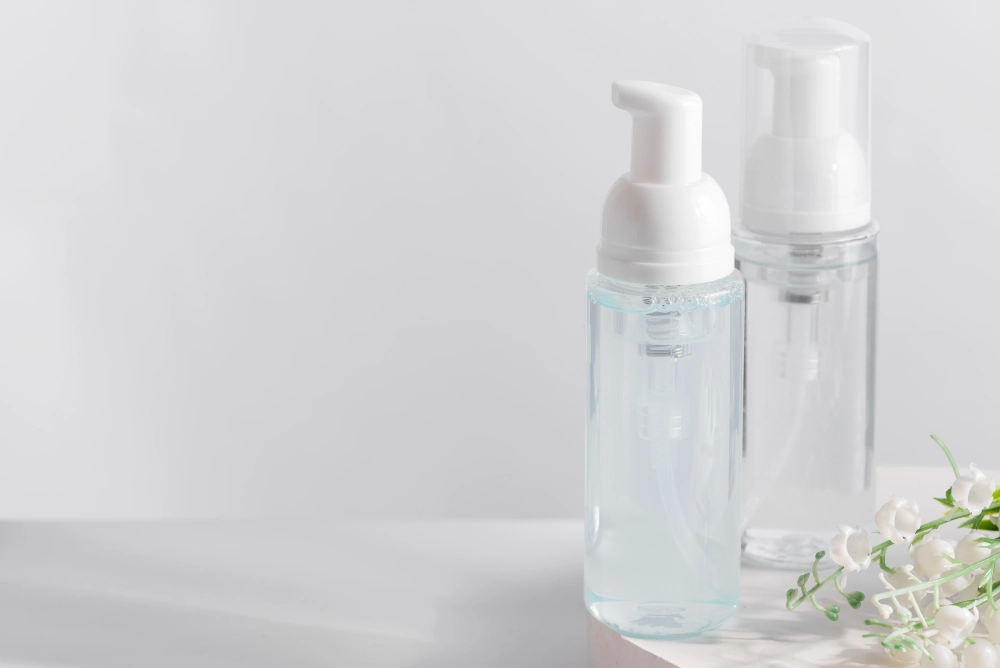
Foaming pumps are precision dispensing systems engineered to convert liquid formulations into a controlled, airy foam without the use of propellants — ideal for personal care, hygiene, and household applications such as hand soap, facial cleanser, sanitizer, shaving foam, and mousse products.
Product Benefits
- Converts liquid formulations into rich, uniform foam without propellants
- Provides controlled, mess-free dispensing with consistent output
- Enhances user experience while supporting efficient product usage
Statistics (source)
- Market Size: $173.4 million (2025)
- Projected size: $260.7 million by 2035
- CAGR: 4.1% (2025–2035)
Market Trends
Foam delivery continues to resonate with consumers due to perceived efficiency and sensory appeal. Mechanical reliability and consistent foam quality remain central engineering priorities.
While smaller than other pump categories, foaming systems maintain steady growth through distinct functional and user-experience advantages.
Specifications
Typical foaming pump specifications include output volumes from approximately 0.4 ml to 1.5 ml per stroke, dictated by actuator design and internal foaming chamber geometry to suit both light and richer foam profiles. Neck finishes commonly range from 30 mm to 43 mm, with polypropylene (PP) construction and compatible dip tube lengths tailored to bottle height for reliable priming and performance. Many models meet FDA food-contact compliance and BPA-non-intent (BPA-NI) standards, ensuring formulation safety and broad application suitability. To learn more and see detailed available specifications, visit our page on Dispensing Pumps.
Selecting the Right Dispensing System
Selecting the right dispensing system requires more than choosing between a pump or a sprayer. It involves aligning formulation viscosity, dosage requirements, spray pattern, output volume, compatibility, and end-user experience with the technical capabilities of the component. Small differences in actuator design, output per stroke, or internal mechanism can meaningfully impact product performance and consumer perception.
In dispensing, performance and sustainability considerations often intersect — sometimes reinforcing one another, sometimes creating tradeoffs. Evergreen Resources works closely with brands to navigate those tradeoffs and identify dispensing solutions that fit both product and market objectives.
To learn more about available dispensing products, visit our Personal Care and Home Care pages, or connect with a packaging expert to discuss what may align best with your product line through our Get Started page. All Evergreen dispensing facilities are ISO 9001 certified, and select facilities hold ISO 14001 and BRC certifications.