

2025 was shaped less by sharp demand swings and more by an evolving business environment for packaging procurement decisions. Early-year tariff uncertainty and broader geopolitical factors created pressure around materials, sourcing, and pricing, particularly for metal-intensive formats, but conditions stabilized as the year progressed.
Through it all, the packaging industry remained steady. Core end markets continued to perform, innovation focused on efficiency and performance, and sustainability initiatives advanced where they made practical sense. This review examines how primary packaging markets performed in 2025, highlighting where demand held firm, how different formats responded, and what those patterns suggest heading into 2026.
Packaging Industry Overview in 2025
The global packaging industry continued to grow in 2025, with market valuations placing the sector at $1.18 trillion, with projections of $1.39 trillion by 2030 supported primarily by food, beverage, healthcare, and personal care demand (source). Growth varied by region and material type, but packaging volumes remained closely tied to everyday consumption rather than discretionary spending, helping insulate the industry from broader economic volatility while reinforcing its role as a core component of global supply chains.
Key industry highlights
- Continued global market growth despite tariff-related cost pressure and trade uncertainty
- Strong demand from food, beverage, and pharmaceutical end markets
- Regional growth led by Asia-Pacific, with stable performance in North America and Europe
- Greater emphasis on packaging performance, compliance, and efficiency over disruptive redesigns
- Incremental sustainability improvements driven by regulation and customer expectations
Market At A Glance
Overall, 2025 reinforced the packaging industry’s underlying stability. While external pressures influenced decision-making throughout the year, demand fundamentals remained intact. As trade uncertainty eased toward year-end, the industry entered 2026 with clearer visibility and a stronger foundation for strategic planning.

Glass Bottles & Jars
~$70 Bn, +5%

Dispensing Systems
~$41 Bn, +4%

Plastic Tubes
~$13 Bn, +6%

Aerosol Cans
~$12 Bn, +6%

Metal Closures
~$31 Bn, +6%

Global Packaging
~$1.2 Tn, +3%
Aerosol Cans: Steady Demand Anchored by Personal Care, Household, and Industrial Markets
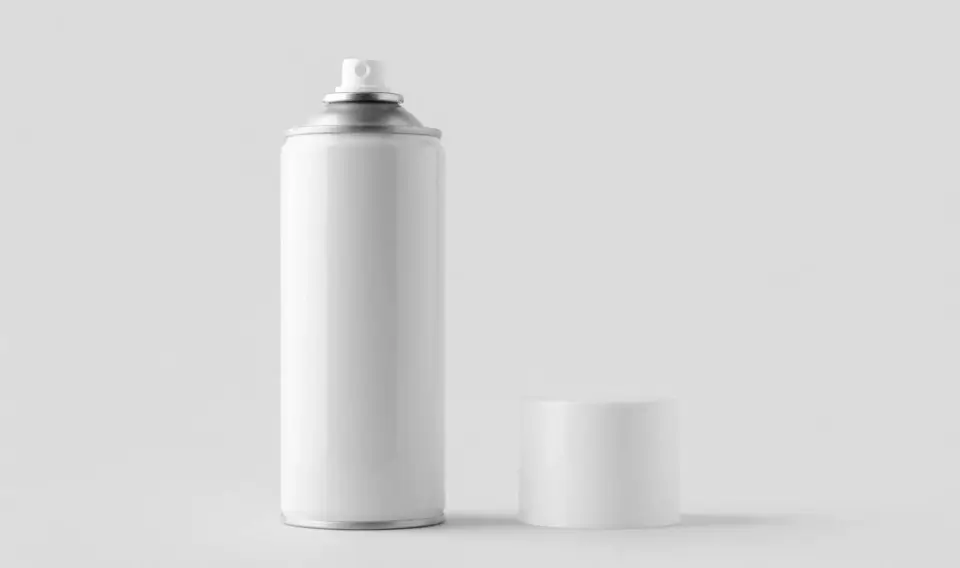
Aerosol cans remained a core primary packaging format in 2025, valued for their ability to deliver consistent, pressurized performance across a wide range of products. While the market faced input cost pressure and regulatory considerations earlier in the year, demand remained steady. Aluminum and steel aerosol cans continued to support applications in personal care, household, and industrial markets, where durability, convenience, and recyclability remain essential.
Aerosol Cans Key Stats
- Market size (2025): The global aerosol cans market reached approximately USD 12 billion in 2025, supported by steady demand across personal care, household, and industrial applications.
- Market concentration: Europe remains dominant, led by Germany, the UK, and France on the strength of robust personal care and homecare sectors, while growth in the U.S. and Canada is driven by sustainability initiatives and increasing aluminum can recyclability. Asia Pacific expansion is fueled by rising urbanization, population density, and growing personal care demand in China, India, and Japan.
- End-market mix: Personal care and cosmetics represented roughly 40% of total aerosol can demand, making it the largest end-use segment, followed by household products and industrial applications.
- Growth: The aerosol cans market is projected to expand at a ~5–6% CAGR, reaching approximately USD 17–18 billion by the early 2030s, supported by sustained personal care demand and continued growth in household and hygiene-related applications. (source).
Key Trends in 2025
- Material preference: Aluminum remained the dominant material due to its light weight, corrosion resistance, and established recycling stream, while steel maintained relevance in cost-sensitive and industrial applications.
- Leading end uses: Personal care and cosmetics drove demand, along with household, automotive, and select industrial applications.
- Incremental innovation: Lightweighting, valve improvements, and enhanced printing were key focus areas as brands balanced performance and efficiency.
- Regulatory and cost considerations: Lower-VOC propellants, recyclable content, and tariff-related volatility continued to influence sourcing and design decisions.
Overall, aerosol cans demonstrated resilience in 2025, supported by established end markets and incremental innovation rather than structural change. As cost pressures ease and sustainability considerations continue to evolve, the category is positioned for steady, measured growth heading into 2026.
Evergreen continued to see strong engagement across aerosol formats in 2025, particularly within chemical and personal care applications where reliability, compliance, and supply continuity remain critical.
Dispensing Systems (Pumps & Sprayers): Functional Upgrades Drive Value Beyond the Closure
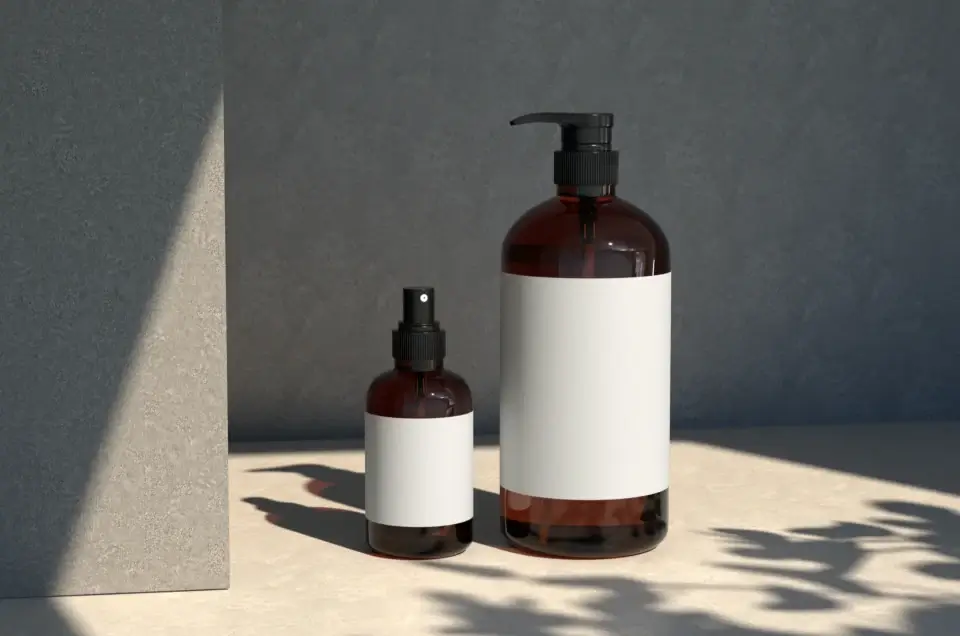
Dispensing systems remained a growing segment of primary packaging in 2025 as brands continued upgrading from basic closures to value-added formats. Pumps and sprayers support controlled dosing, improved hygiene, and premium positioning across personal care, household, and institutional products. Demand remained steady throughout the year as convenience and functionality outweighed cost sensitivity in many applications.
Dispensing Pumps & Sprayers Statistics
- Market size (2025): The global pumps and dispensers packaging market was valued at approximately USD 10.0 billion in 2025, supported by steady demand across personal care, household, pharmaceutical, and institutional products.
- Market concentration: North America represents the largest market by value, reflecting higher adoption of premium, higher-function dispensing systems. Asia-Pacific drives the greatest share of volume growth and end-market demand, supported by expanding consumer markets in China and India. Europe remains a significant demand center, shaped by established personal care usage and regulatory expectations around hygiene and performance.
- End-market share: Personal care and cosmetics represent the largest end-use segment, followed by household chemicals and pharmaceutical applications, reflecting the importance of controlled dispensing and hygiene across these categories.
- Growth: The pumps and dispensers market is projected to grow at approximately ~3–4% CAGR through 2030, reaching roughly USD 12 billion, supported by ongoing functionality upgrades and greater focus on user experience, hygiene, and product protection. (source)
Key Trends in 2025
- Leading end uses: Personal care and cosmetics drove adoption, supported by household cleaners, soaps, and institutional hygiene products.
- Premiumization: Brands increasingly replaced standard caps with pumps to enhance usability and product differentiation.
- Sustainability-driven design: Growth in mono-material and recyclable pump designs reduced reliance on metal springs.
- Technology adoption: Airless and precision-dosing pumps gained traction for sensitive and higher-value formulations.
Overall, dispensing systems benefited from consistent demand tied to daily-use products. With convenience, hygiene, and premium branding remaining priorities, pumps and sprayers are positioned for continued, incremental growth into 2026.
Evergreen observed increased demand for sustainable dispensing solutions in 2025 as customers prioritized eco-friendly and functional upgrades that improve usability, hygiene, and brand presentation.
Plastic & Laminate Tubes: Consistent Growth Through Versatility and Shelf Impact
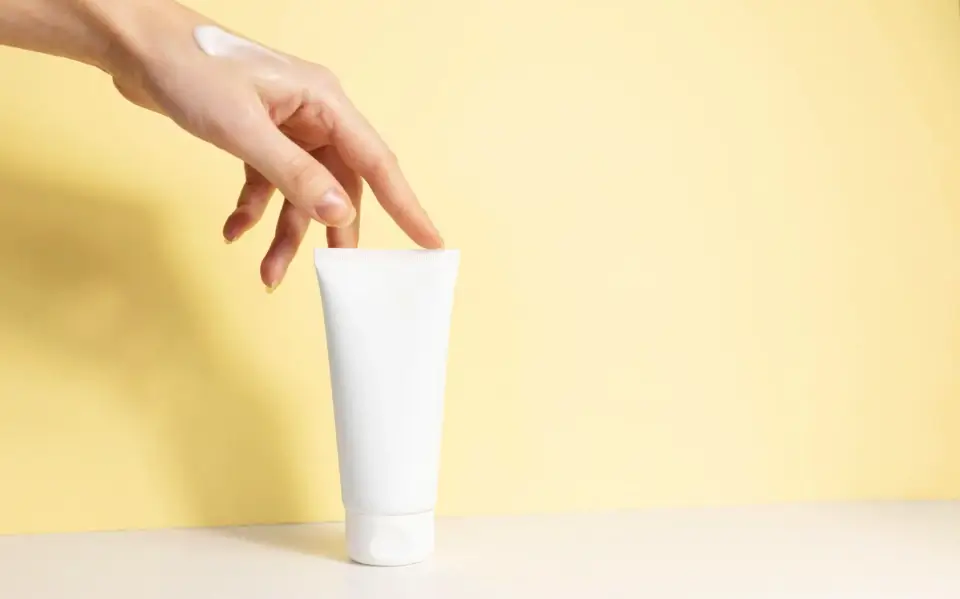
Plastic and laminate tubes continued to perform steadily in 2025, supported by their versatility, cost efficiency, and strong presence in personal care and healthcare packaging. Tubes remain a preferred format for brands seeking portability, controlled dispensing, and strong shelf visibility. Laminate structures, in particular, gained traction where premium aesthetics and barrier performance were required.
Plastic & Laminate Tube Growth
- Market size (2025): The global tube packaging market reached approximately USD 13.4 billion, reflecting steady expansion across consumer and healthcare applications.
- Market concentration: Asia-Pacific remains dominant by volume, supported by large-scale personal care and oral care consumption in China and India. Europe and North America remain key markets, driven by established personal care, pharmaceutical, and premium cosmetic applications where tube packaging supports controlled dispensing and shelf differentiation.
- End-market mix: Personal care and oral care represent the largest combined end-use segment, accounting for approximately 40% of total tube packaging demand, followed by healthcare and pharmaceutical applications.
- Growth: The tube packaging market is projected to grow at approximately ~6% CAGR through the early 2030s, reaching roughly USD 18 billion, supported by sustained demand in personal care, oral care, and healthcare categories. (source)
Key Trends in 2025
- Core end markets: Oral care, cosmetics, skincare, and pharmaceuticals remained the largest demand drivers.
- Laminate preference: Brands favored laminate tubes for high-quality printing and strong barrier protection at lower cost than aluminum.
- Sustainability efforts: Increased focus on recyclable and mono-material tube structures, including shifts from ABL to PBL designs.
- Material optimization: Exploration of recycled and bio-based plastics continued, though conventional PE remained dominant.
In 2025, tubes reinforced their role as a reliable, brand-friendly packaging format. With steady end-market demand and ongoing sustainability improvements, plastic and laminate tubes remain well-positioned heading into 2026.
Evergreen saw continued momentum in tube packaging projects in 2025, particularly where brands balanced premium shelf appearance through advanced decorations with cost-efficient, scalable formats.
Glass Bottles & Jars: Premium Positioning Meets Practical Sustainability
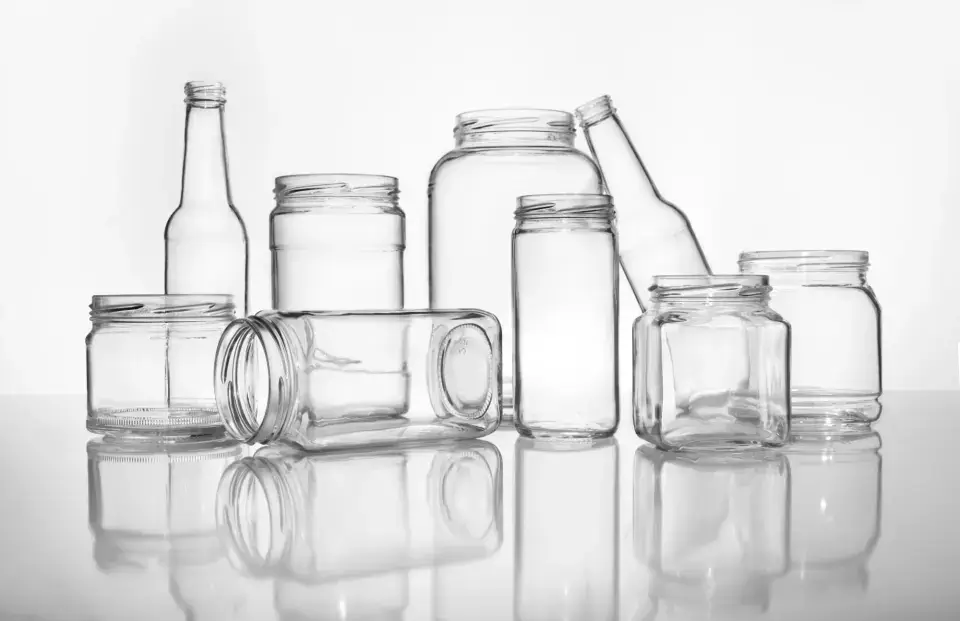
Glass bottles and jars saw renewed momentum in 2025, supported by demand for premium packaging and growing sustainability awareness. Glass remains a preferred choice where product integrity, shelf appeal, and recyclability are critical, particularly in food, beverage, and pharmaceutical applications.
Glass Packaging Growth
- Market size (2025): The global glass packaging market was valued at approximately USD 70 billion in 2025, supported by steady demand across food, beverage, and pharmaceutical applications. Growth was driven by glass’s role in premium positioning, strong barrier performance, and established recyclability infrastructure, particularly in beverage categories where product integrity and shelf appeal remain critical.
- Market concentration: Asia-Pacific represents the largest source of demand, driven by high-volume food and beverage consumption in China and India. Europe remains a major market, supported by strong alcoholic beverage usage and mature recycling systems, while North America continues to contribute significant demand, particularly across beverage and pharmaceutical applications.
- End-market mix: Alcoholic beverages accounted for roughly 38–39% of global glass packaging demand, followed by non-alcoholic beverages and pharmaceutical applications.
- Growth: The glass packaging market is projected to grow at approximately ~4.5–5% CAGR, exceeding USD 95–100 billion by the mid-2030s, supported by continued premiumization and demand for recyclable, high-barrier packaging materials. (source)
Key Trends in 2025
- Food & beverage leadership: Spirits, wine, sauces, and specialty foods continued to rely on glass for quality signaling.
- Pharmaceutical demand: Strong use of glass vials and ampoules for injectables, vaccines, and supplements.
- Sustainability perception: Glass benefited from its image as inert, recyclable, and plastic-free.
- Cost mitigation: Lightweighting and increased recycled cullet usage helped manage energy and material costs.
Glass packaging in 2025 balanced premium positioning with efficiency improvements. While energy intensity remains a challenge, glass is expected to remain a key format for brands prioritizing recyclability and product integrity.
Evergreen observed sustained demand for glass packaging in 2025, particularly among food and beverage brands focused on premium positioning and material transparency.
Metal Closures: Performance-Critical Components Navigate Cost Pressure
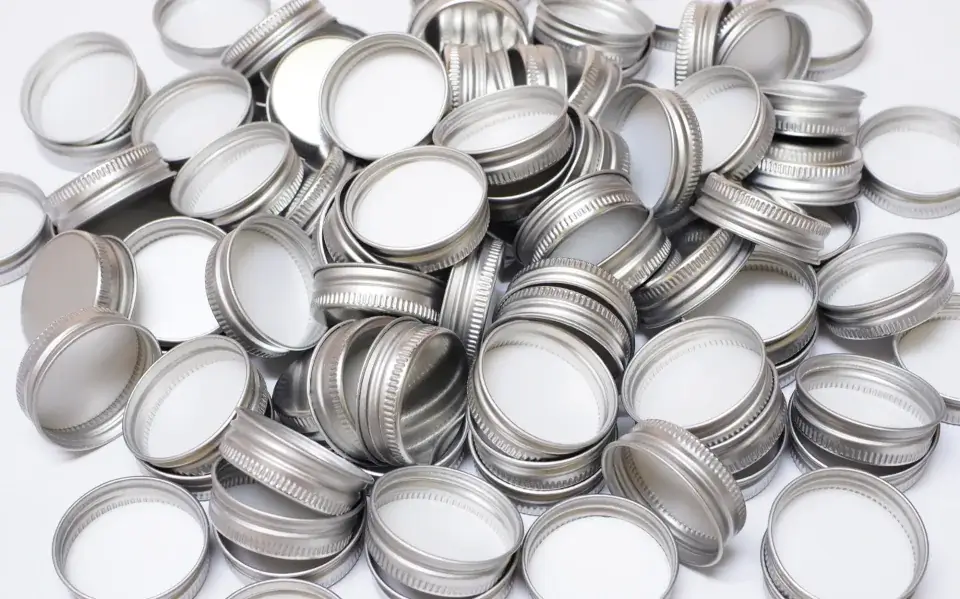
Metal closures continued to play a critical role in food, beverage, and pharmaceutical packaging in 2025. Caps and lids made from aluminum and steel provide dependable sealing, extended shelf life, and strong compatibility with glass and metal containers.
Metal Closures Growth
- Market size (2025): The global metal closures market was valued at approximately USD 31 billion in 2025, reflecting steady demand across food, beverage, pharmaceutical, and consumer goods applications.
- Market concentration: Asia-Pacific represents the largest source of demand, supported by high-volume food and beverage production and expanding consumer packaged goods markets. Europe remains a major market, driven by alcoholic beverage packaging and established closure standards, while North America continues to contribute significant demand across food, beverage, and pharmaceutical applications.
- End-market mix: Food and beverage applications represent the largest share of metal closure demand, followed by pharmaceuticals and other consumer goods, where sealing integrity and regulatory compliance are critical.
- Growth: The metal closures market is projected to grow at approximately ~5–6% CAGR, exceeding USD 50 billion by 2034, despite ongoing raw material and energy cost pressures. (source)
Key Trends in 2025
- Primary demand drivers: Packaged food, beverages, and shelf-stable products remained the largest consumers of metal closures.
- Performance advantage: Hermetic sealing supported hot-fill foods, carbonated beverages, and long shelf-life products.
- Sustainability strength: High recyclability positioned metal closures favorably amid circular packaging initiatives.
- Cost pressures: Volatile metal pricing and tariff impacts required sourcing optimization.
Despite cost challenges, metal closures demonstrated resilience in 2025. Their combination of performance, recyclability, and compatibility with premium packaging formats supports continued demand into 2026.
Evergreen observed brands increasingly looking for global sourcing opportunities for metal caps due to the steel tariff impacting US domestic production costs.
Trade Turbulence and Tariff Resolution in 2025

In early 2025, tariff uncertainty and trade tensions created planning challenges for packaging supply chains, particularly for metal-intensive formats and imported components. Costs fluctuated as companies adjusted sourcing strategies around evolving duties and compliance expectations. By year-end, key trade frictions — especially between the U.S. and China — had eased, restoring visibility for procurement and supply decisions.
2025 Trade & Tariff Highlights
- Early-year volatility in metal and components pricing impacted aluminum, steel, and related packaging costs.
- Cross-border sourcing decisions were frequently delayed or hedged due to tariff unpredictability.
- Logistics and lead times were strained as companies worked to avoid anticipated new duties.
- By late 2025, a U.S.–China trade agreement reduced tariff pressure and stabilized key packaging material flows.
As tariffs settled later in the year, many packaging leaders regained confidence in forecasting and supplier commitments. The reduced tariff burden is already influencing 2026 sourcing strategies with clearer supply chain cost structures. For a deeper look at how the U.S.–China tariff situation resolved and what that means for packaging supply chains, see Evergreen’s analysis of the U.S.-China trade deal and supply chains.
Sustainability and Packaging Innovation in 2025
Sustainability continued to be a strategic priority in 2025, but brands and manufacturers focused on practical, incremental improvements rather than sweeping redesigns. Recycling-friendly materials, lightweighting, and easily processed formats gained traction where they aligned with economics and regulatory pressure. Packaging innovation emphasized performance, cost efficiency, and compliance over speculative experimentation.
Sustainability & Innovation Highlights
- Mono-material designs expanded where feasible, particularly in plastics and dispensing closures.
- Lightweighting remained a key tactic to reduce input costs and environmental impact.
- Recycled (PCR) content targets influenced material sourcing and partnership decisions.
- Automation and digital tooling helped reduce waste and improve line efficiency.
The result in 2025 was tangible progress rather than headline innovation: design choices that improved recyclability or reduced material without compromising function. Sustainability was implemented where it delivered measurable benefits to cost, compliance, and consumer perception. As the industry moves into 2026, these pragmatic innovations form the foundation for deeper circular-economy integration.
Conclusion
In 2025, primary packaging demonstrated resilience through stable demand, practical innovation, and a clearer trade environment by year-end. Formats from aerosols to closures held value in their respective markets while adapting to cost, sustainability, and performance priorities. Looking ahead, packaging professionals will benefit from a firm foundation and improved visibility across supply chains.
If you’re planning packaging procurement for 2026, get started with Evergreen Resources — from global sourcing to quality control to fully managed logistics, our team can help turn market insight into executable outcomes. To learn more about how we can help your brand, contact us here.