

If you work in food and beverage packaging, you’ve likely come across the three most common plastics used across the category: PP, PET, and HDPE. Each material shows up in different formats — from beverage bottles and dairy containers to hot-fill trays and single-serve applications — and each is selected for a specific reason.
The choice is rarely about one material being “better” than another. It’s about how well a material aligns with filling conditions, product sensitivity, shelf life, and production requirements. Even small material decisions can influence line efficiency, freight costs, and how consistently a package performs over time.
Below is a practical breakdown of where PP, PET, and HDPE typically fit in food and beverage packaging.
Common Plastics and Uses
PP (Polypropylene): Heat Resistance & Functional Flexibility
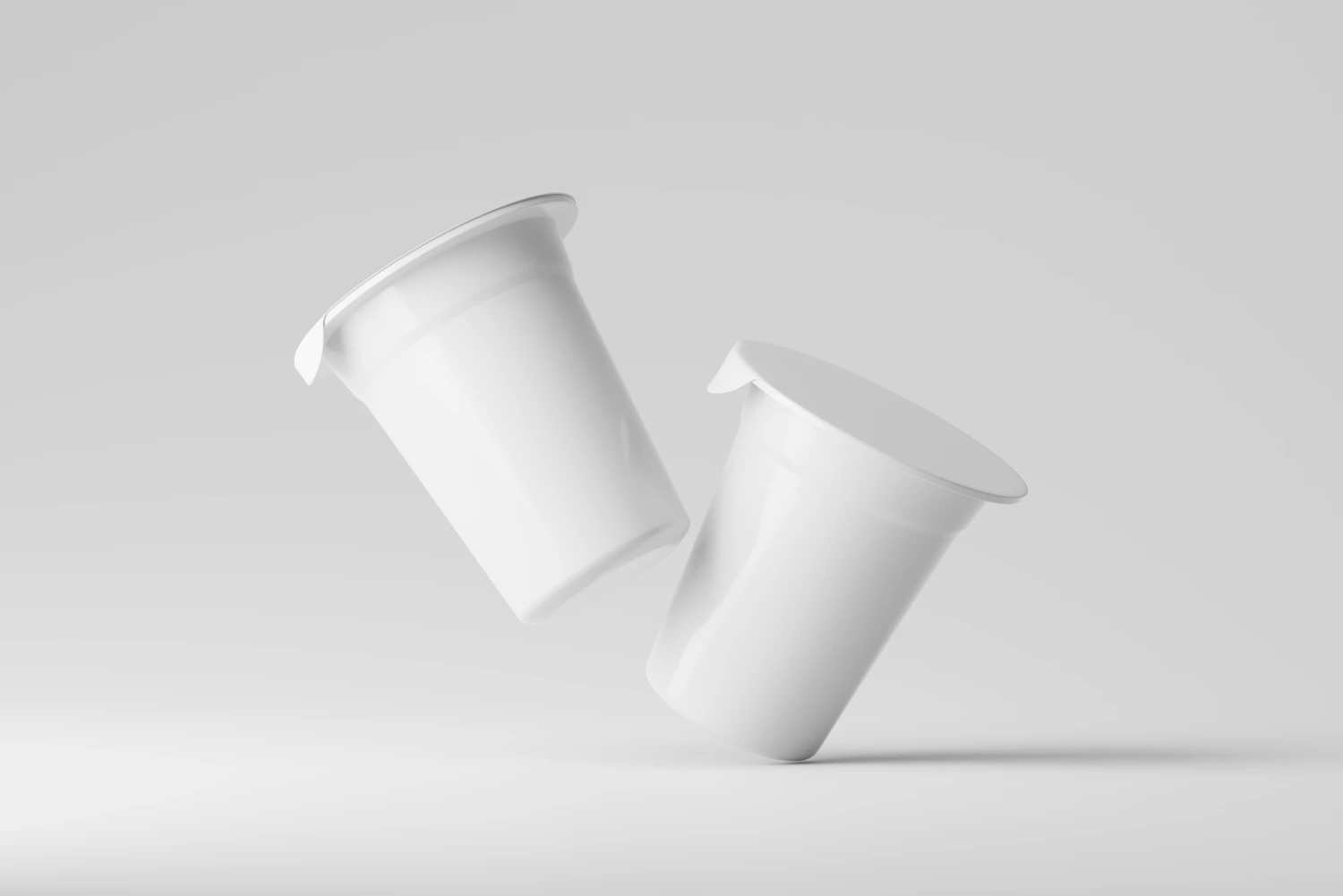
PP, or polypropylene, is widely used across food packaging where heat resistance and durability are important. It is commonly found in yogurt cups, margarine tubs, deli containers, microwaveable trays, closures, and K-Cups.
- Where It's Used: PP is commonly used in applications such as yogurt cups, margarine tubs, deli containers, microwaveable trays, closures, and coffee pods, where packaging is exposed to heat or repeated use.
- Heat & Performance: One of PP's defining characteristics is its ability to withstand higher temperatures compared to other plastics. This makes it well suited for hot-fill products, microwaveable applications, and packaging that experiences temperature changes during use. It is also commonly used in coffee pods, where the material must maintain structural integrity under both heat and pressure during brewing.
- Appearance: PP can be translucent, semi-opaque, or opaque, rather than fully clear. While it does not offer the same visual clarity as PET, it provides a clean and functional look that works well in applications where product visibility is not the primary priority.
- Strength & Durability: PP is resistant to moisture, chemicals, and repeated use, making it well suited for hinged or resealable packaging. However, it can be less impact-resistant than HDPE in colder environments.
- Limitations: PP does not provide the same level of oxygen barrier performance as some other materials, which may limit its use for products with extended shelf-life requirements.
PET (Polyethylene Terephthalate): Clarity & Lightweight Durability
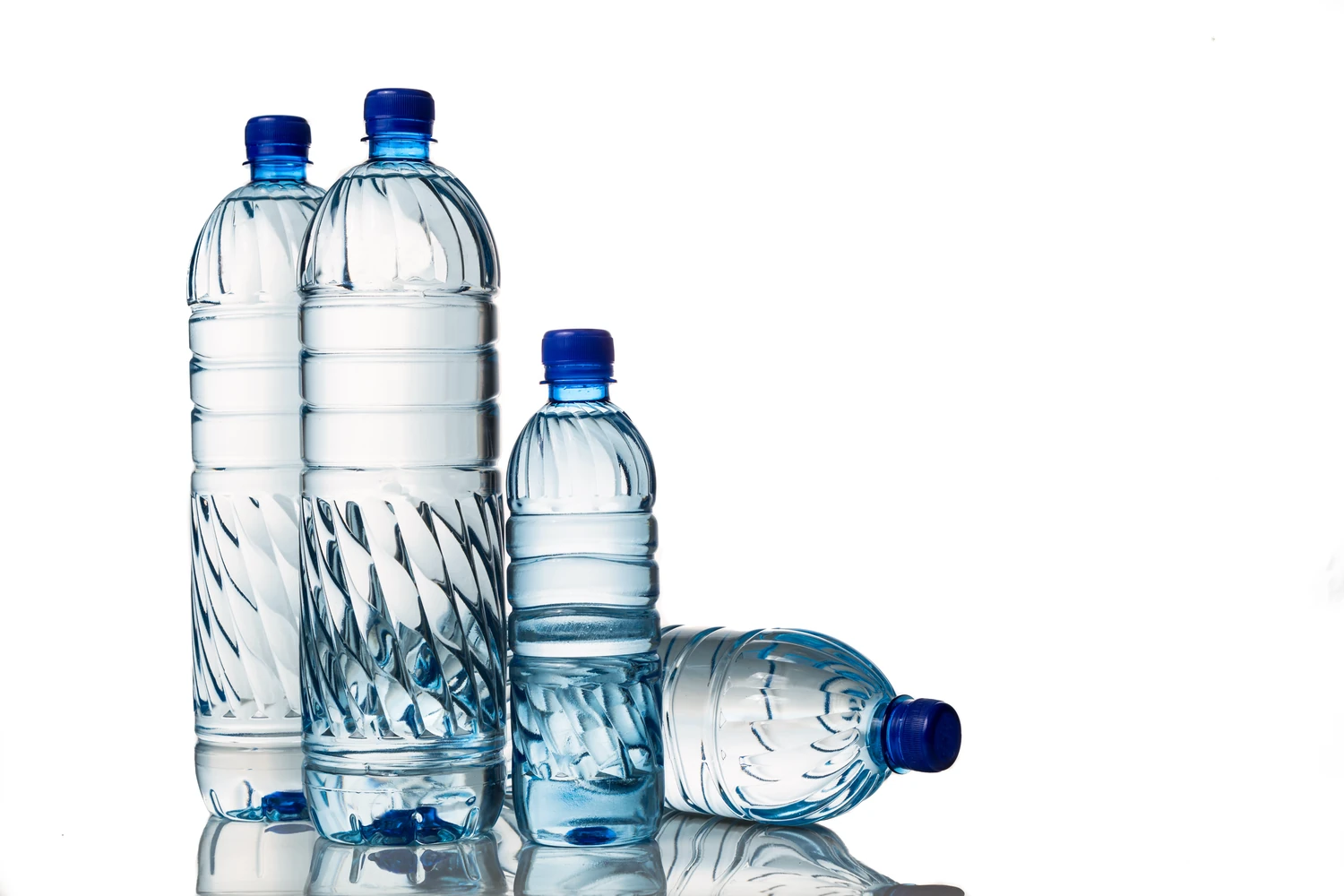
PET is one of the most widely used materials in food and beverage packaging, particularly in applications where clarity and lightweight durability are important. It is commonly found in bottled water, soft drinks, juices, sports drinks, teas, oils, sauces, and dressings.
- Where It's Used: PET is commonly used in beverage bottles, edible oil containers, sauces, and dressings, especially where product visibility and lightweight packaging are priorities.
- Heat & Performance: PET performs well in cold-fill applications and is widely used for carbonated beverages due to its ability to withstand internal pressure. For hot-fill applications, specially designed heat-set PET bottles must be used to handle higher temperatures and pressure changes during cooling.
- Appearance: PET offers high clarity and a glossy finish, allowing consumers to see the product inside. This visual transparency makes it a strong choice for products where shelf appeal and product visibility are important.
- Strength & Durability: PET has a strong strength-to-weight ratio, making it durable enough for transportation and distribution while remaining lightweight. This helps reduce freight costs and improve handling efficiency.
- Limitations: Standard PET is not suitable for high heat unless modified, and hot-fill PET requires additional material and design complexity. It also offers lower oxygen barrier performance for highly sensitive products unless enhanced with barrier technologies.
HDPE (High-Density Polyethylene): Durability & Product Protection
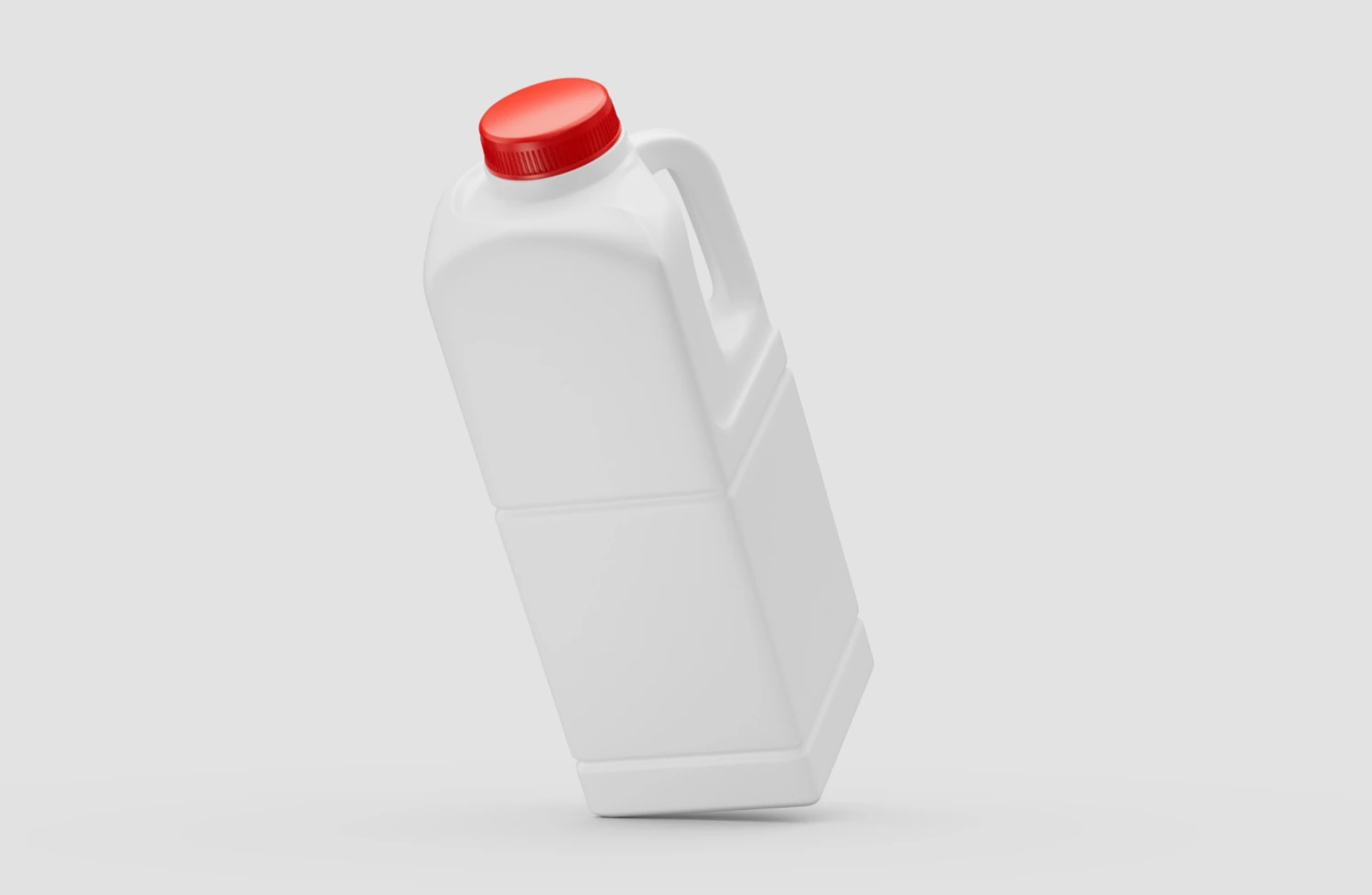
HDPE is commonly used in food and beverage packaging where durability and product protection against external elements are priorities. It is widely found in milk containers, juice bottles, water jugs, syrups, edible oils, and refrigerated products.
- Where It's Used: HDPE is commonly used in dairy packaging, juices, water jugs, syrups, and edible oils, particularly in applications where strength and product protection are important.
- Heat & Performance: HDPE can handle a wider range of filling temperatures than standard PET, making it suitable for cold-fill, warm-fill, and certain hot-fill applications. It maintains its shape well under varying temperature conditions.
- Appearance: HDPE is typically opaque, which limits product visibility but helps block light exposure. This can be beneficial for products like dairy and certain beverages that are sensitive to light.
- Strength & Durability: HDPE is highly resistant to impact, cracking, and handling stress, making it well suited for products that go through transportation and frequent use. It also performs well in refrigerated environments.
- Limitations: HDPE has lower oxygen and carbonation barrier properties, making it less suitable for carbonated beverages or products requiring extended shelf life. Its opaque appearance may also limit its use in applications where product visibility is important.
Key Packaging Considerations Before Selecting a Plastic Bottle
- Matching the material to the filling process: The filling process plays a major role in selecting the right plastic. Cold fill, hot fill, aseptic fill, retort, and carbonated applications all place different demands on the package. PET is commonly used for cold fill and carbonated beverages, HDPE can handle a wider range of fill temperatures, and PP is often preferred for products exposed to higher heat. Choosing the wrong material can lead to warping, paneling, reduced shelf life, or production issues on the filling line.
- Understanding fill temperature requirements: Fill temperature plays a major role in determining which plastic can be used. Standard PET is best for cold fill products, while heat set PET, HDPE, or PP may be needed for warm fill or hot fill applications. If the bottle is not designed for the intended filling temperature, it can warp, panel, shrink, or lose its shape during production.
- Considering shelf life and barrier needs: Some products are more sensitive to oxygen, moisture, carbonation loss, or light exposure than others. Products with long shelf-life requirements may need better oxygen barriers, UV protection, multilayer packaging, or additives to help preserve freshness. This is especially important for juices, dairy, sauces, coffee products, and carbonated beverages.
- Making sure the bottle works with the closure: The closure should never be treated as an afterthought. Bottle neck finish, thread style, cap type, liner requirements, and tamper evidence all need to work together. A bottle may look great visually, but if it cannot support the right cap, fitment, induction seal, or dispensing closure, it can create problems with leakage, product protection, and consumer experience.
- Thinking about labeling and decoration early: Decoration choices such as shrink sleeves, pressure sensitive labels, silkscreen printing, embossing, or in mold labeling can all impact bottle design. Some bottle shapes work better with full wrap labels, while others may need flat panels for branding. Considering decoration early helps avoid issues with wrinkling, label placement, or poor shelf appearance later on.
- Factoring in freight, storage, and pallet efficiency: Plastic packaging is lightweight, but bottle shape still affects freight costs, pallet configuration, and warehouse space. Taller bottles, unusual shapes, and oversized closures may reduce pallet efficiency and increase shipping costs. In many cases, a more practical bottle design can lower long term transportation and storage expenses without sacrificing shelf appeal.
What does this all mean?
Ultimately, there is no one size fits all answer when it comes to plastic packaging. PET, HDPE, and PP each offer different strengths depending on the product, filling process, shelf-life requirements, and overall brand goals.
The best packaging decisions come from balancing performance, cost, functionality, and appearance. A bottle may look great on shelf, but it also needs to run efficiently on the filling line, protect the product, work with the right closure, and make sense from a freight and production standpoint.
Evaluating these factors early helps reduce downstream adjustments and supports more consistent performance across the product lifecycle. Evergreen works with brands to navigate these decisions—supporting material selection, format alignment, and supply chain considerations to help ensure packaging performs as intended. If you’d like to explore how these factors apply to your product line, you can connect with our team through our Get Started page.