

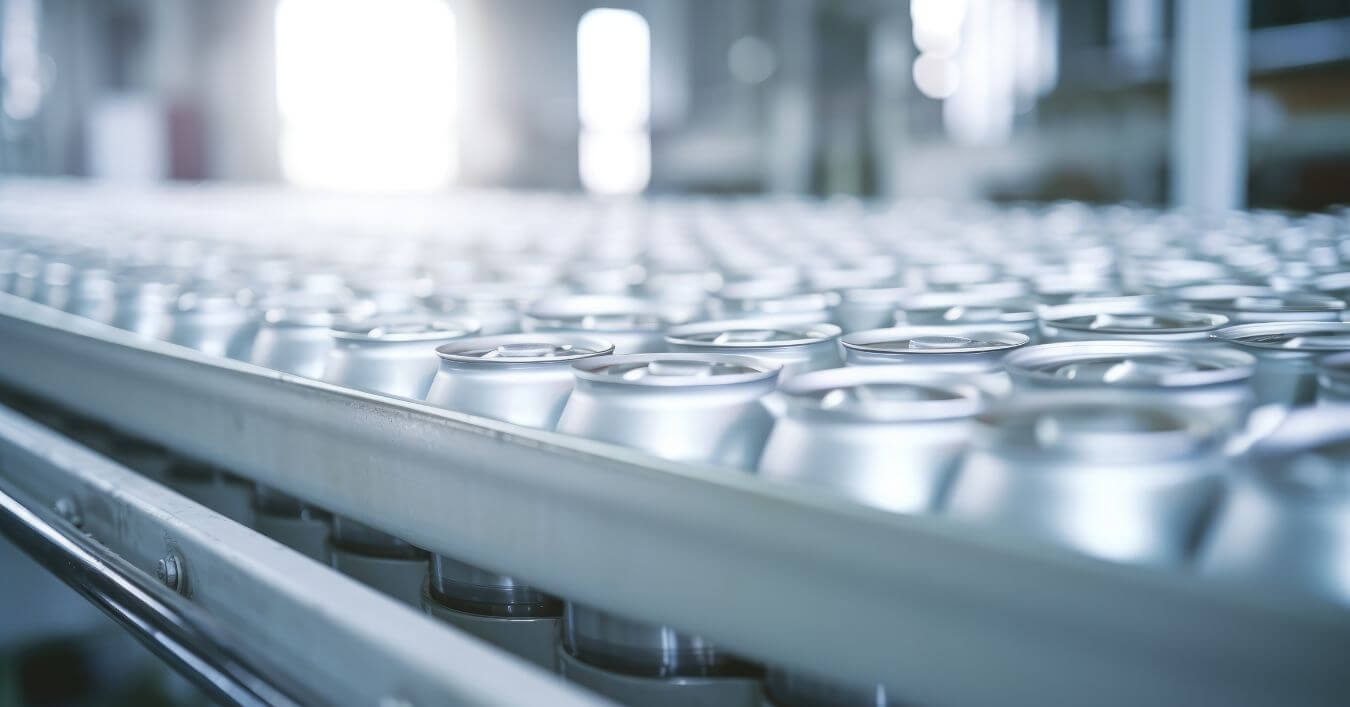
When selecting beverage packaging, metal options like aluminum and tinplate (steel) cans offer distinct advantages, making them an ideal choice for various products. Metal packaging is particularly suitable when durability, sustainability, premium feel, and product preservation are key considerations. While materials like glass and plastic also have their place (learn more about other packaging materials [here]), metal stands out due to its strength, recyclability, and cost-effectiveness.
Tinplate/Steel Packaging: Ideal for Alcoholic Beverages

Tinplate or steel packaging is an excellent metal option, particularly popular for alcoholic beverages and premium liquors. These cans provide:
- Superior Strength: Robust and resistant to dents and breakage, ideal for transportation and high-pressure pasteurization processes.
- Barrier Properties: Exceptional protection against oxygen, light, and contaminants, maintaining flavor integrity over extended periods.
- Premium Appeal: Often preferred by premium liquor brands due to their sturdy, substantial feel and classic appearance.
Steel packaging is also highly adaptable, available in various sizes and shapes to meet diverse market needs, ranging from small, sleek cans for premium cocktails to larger, durable cans for craft beers and ciders. The manufacturing process for tinplate includes precise coating techniques that protect beverages from any metallic taste, ensuring taste consistency and product integrity. Additionally, steel cans feature excellent thermal conductivity, allowing beverages to quickly reach optimal serving temperatures.
Steel's recyclability is another critical advantage. Tinplate cans are highly recyclable, supporting sustainability initiatives by significantly reducing landfill waste and lowering environmental impact. Furthermore, due to their inherent durability, steel cans are ideal for shipping long distances, particularly beneficial for export markets or extended distribution chains.
Aluminum Packaging: Pure Aluminum vs. Alloy

Aluminum packaging has become increasingly popular in the beverage industry, exemplified by brands such as Path Water, which uses pure aluminum bottles to convey a premium, sustainable image. In contrast, brands like Open Water utilize aluminum alloys, which are lighter and more practical for mass-market appeal.
Key differences between pure aluminum and aluminum alloys include:
- Weight and Feel: Pure aluminum bottles are significantly heavier, providing a premium, substantial feel. For instance, a 16oz pure aluminum bottle weighs approximately 60g compared to around 21g for an alloy equivalent.
- Corrosion Resistance: Both types offer excellent corrosion resistance, though alloy versions have heightened resistance, suitable for highly acidic beverages.
- Recyclability: Pure aluminum is fully recyclable without quality degradation, whereas alloys, being mixed metals, are more complex to recycle.
- Shelf Life: Pure aluminum typically offers longer shelf life, up to 5 years, compared to about 1 year for alloy bottles.
Aluminum packaging provides excellent opportunities for unique branding and innovative designs due to its highly versatile printing capabilities. Brands can take advantage of vibrant, full-color graphics, sophisticated embossing, and special finishes that create a visually appealing, premium product. Aluminum is particularly beneficial for showcasing brand identity through distinctive packaging shapes and textures, helping products stand out on crowded shelves.
Metal Packaging Advantages
Metal packaging, particularly aluminum and steel cans, offers several advantages in production and throughout the supply chain.
Production and Recycling Efficiencies
- Energy Savings: Recycling aluminum saves up to 95% of the energy required to produce new aluminum from raw materials. This substantial energy efficiency translates into lower production costs and reduced environmental impact (Source)
- Material Recovery: Aluminum cans are among the most valuable recyclable materials. The high market value of recycled aluminum incentivizes recycling programs, further reducing material costs for manufacturers.
Market Growth and Demand
- Industry Expansion: The global metal packaging market is projected to grow from $146.70 billion in 2022 to $194.68 billion by 2032, reflecting a compound annual growth rate (CAGR) of 3.26%. This growth is driven by increasing demand for sustainable and cost-effective packaging solutions.
- Consumer Preference: The durability and recyclability of metal packaging align with consumer preferences for environmentally friendly products, potentially leading to increased sales and brand loyalty.
Comparative Advantages Over Other Materials
- Glass: While glass is recyclable, it is heavier and more fragile than metal, leading to higher transportation and handling costs. Additionally, the energy required to recycle glass is higher compared to aluminum.
- Plastic: Although plastic bottles are lightweight and inexpensive to produce, they have lower recycling rates and can degrade in quality upon recycling, leading to long-term environmental and economic costs.
In summary, metal packaging offers a combination of production efficiency, recyclability, and logistical advantages that contribute to its cost-effectiveness, making it a preferred choice for beverage companies aiming to optimize costs and meet sustainability goals.
Consumer Preferences and Market Trends
Consumer trends show strong preferences toward metal cans for convenience, portability, and sustainability:
- Over 70% of new beverage launches use aluminum cans.
- 62% of consumers prefer metal cans for outdoor activities due to ease of use and transport.
- Rising markets like ready-to-drink (RTD) beverages predominantly favor aluminum packaging.
Innovations in Metal Packaging
Continuous advancements in metal packaging enhance consumer experience and sustainability:
- Lightweight: Innovations have nearly halved the weight of aluminum cans since the 1970s.
- Improved Sustainability: Advances in recycling technologies continue to increase metal recovery rates, supporting circular economy goals.
Design Opportunities
Metal cans offer unmatched branding potential:
- 360-Degree Branding: Metal cans allow full wraparound graphics for maximum shelf impact.
- High-Quality Printing and Embossing: Advanced techniques provide vibrant, attractive branding possibilities.
- Promotional and Limited Editions: Perfect for seasonal or collector's editions, boosting consumer loyalty.
Beverage Quality and Preservation
Metal packaging excels at maintaining beverage quality:
- Complete Protection: Opaque and airtight, metal cans protect contents from UV damage and oxygen exposure.
- Flavor Integrity: Special internal coatings eliminate metallic tastes, preserving original beverage flavors.
- Carbonation Retention: Superior to plastic in maintaining carbonation, ensuring freshness.
Sustainability and Environmental Advantages
Metal packaging leads in environmental performance:
- High Recycling Rates: Nearly 45% of aluminum cans in the U.S. are recycled, significantly higher than plastic.
- Energy Efficiency: Recycling aluminum saves up to 95% of the energy compared to new metal production.
- Infinite Recyclability: Metal can be recycled repeatedly without losing quality, supporting a circular economy
Conclusion
Metal packaging, whether aluminum or tinplate/steel, offers unparalleled advantages in durability, sustainability, cost-effectiveness, and consumer appeal. As beverage brands increasingly prioritize environmental responsibility and consumer satisfaction, metal packaging continues to emerge not merely as an alternative, but as a new industry standard. Learn more about our aluminum cans here and our steel cans here.