


Glass bottle shape plays a role in more than just appearance. In many packaging environments, shape can influence fill speed, sealing behavior, freight efficiency, and how easily a product runs on automated lines. A format that works well for beverages may behave differently when used with oils, syrups, or hot sauces—especially when variables like viscosity, closure compatibility, and labeling surfaces come into play.
As brands expand product lines or shift to higher-speed filling, bottle shape often becomes a factor in how reliably a package performs across the supply chain. From filling and capping to shelf presentation and consumer handling, structural details tend to show up in operational outcomes.
What follows is a breakdown of commonly used glass bottle shapes in food and beverage packaging, along with where they tend to fit best and how co-packers typically work with them.
Common Bottle Shapes and Uses
RN (Ring Neck Bottles)
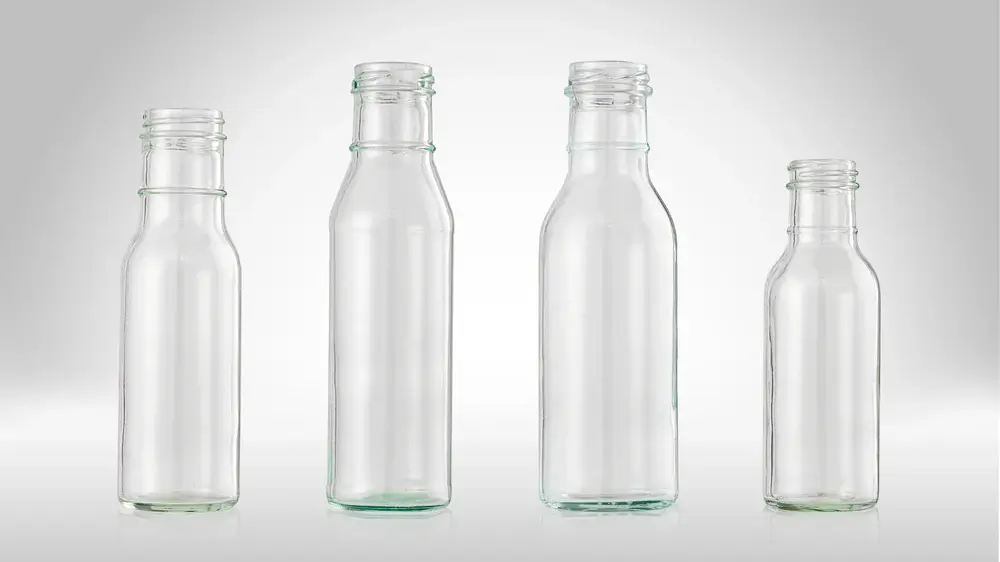
Ring neck bottles are a familiar format in the sauce and condiment category, known for their ringed neck design that adds grip, helps center closures, and improves stability on automated lines. Their narrow neck supports controlled pouring, and the overall shape offers consistent performance across a variety of filling and capping environments—making them a reliable choice for both brands and co-packers.
Common uses and characteristics:
- Frequently used for hot sauces, marinades, dressings, and thinner sauces
- Narrow neck helps with precision dispensing
- Recognizable silhouette that feels familiar and comfortable in hand
- Compatible with continuous thread (CT), ROPP, and lug closures
- Performs well on most automated lines with minimal changeover requirements
RN bottles remain a go-to format in food packaging, particularly for co-packers working across multiple product types. Their compatibility with standard closures and equipment makes them easy to scale, while the familiar shape offers brands a balance of functional performance and visual consistency on shelf.
Woozy Bottles
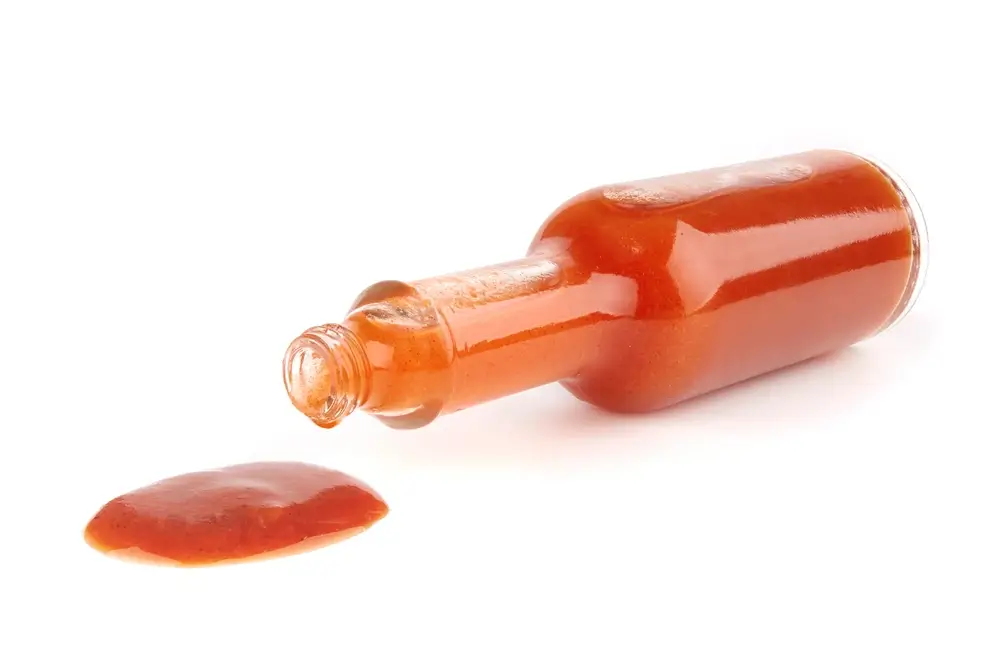
Woozy bottles are defined by their tall, slender profile and narrow neck, which naturally regulates flow and supports clean dispensing. The format is widely recognized in the hot sauce category and is often associated with heat, flavor concentration, and precise pouring. Its compact footprint and elongated shape also offer strong visual presence on shelf while conserving space.
Common uses and characteristics:
- Frequently used for hot sauces, chili oils, vinaigrettes, fermented sauces, syrups, and concentrates
- Narrow opening supports smooth, mess-free dispensing for low-viscosity liquids
- Compatible with reducers, flow-control inserts, or standard CT closures
- Runs well on automated lines with minimal change parts or line adjustments
- Slim profile enhances shelf density and premium appearance
Woozy bottles remain a popular choice for brands emphasizing flavor intensity, pour control, and a recognizable silhouette. Their consistency in performance across co-packing environments makes them especially well-suited for scaling and line extensions.
Marasca Bottles (Oil Bottles)
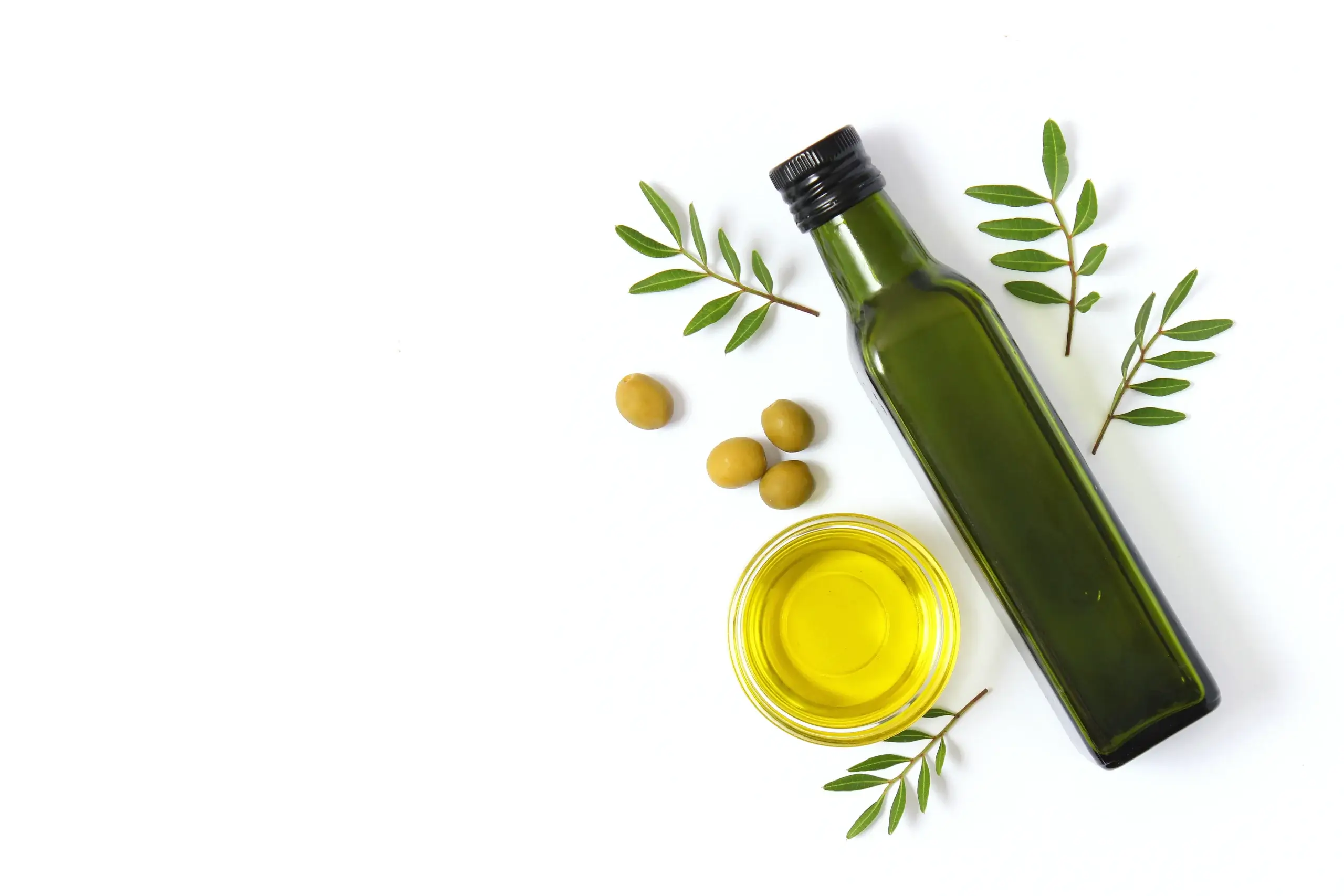
Marasca bottles are known for their square-sided profile, which supports efficient case packing, easy labeling, and a clean, premium shelf presence. The format is widely used across oil-based products, striking a balance between practicality and visual appeal. Flat sides also allow for high label coverage and brand visibility without sacrificing storage or shipping efficiency.
Common uses and characteristics:
- Frequently used for olive oil, avocado oil, infused oils, vinaigrettes, and dressings
- Square shape supports tight case packing and stable stacking
- Available in flint or antique green glass for clarity or UV protection
- Commonly paired with ROPP closures, pour spouts, or drizzle inserts
- Dimensional consistency makes them well-suited for automated oil-filling lines
Marasca bottles continue to be a trusted format in edible oil packaging, valued for their shelf efficiency, material performance, and strong alignment with both functional and branding goals. Their ability to balance visual clarity, UV protection, and freight optimization makes them well-suited for brands looking to scale across retail, foodservice, and export channels—without sacrificing consumer appeal or operational consistency.
Boston Round Bottles
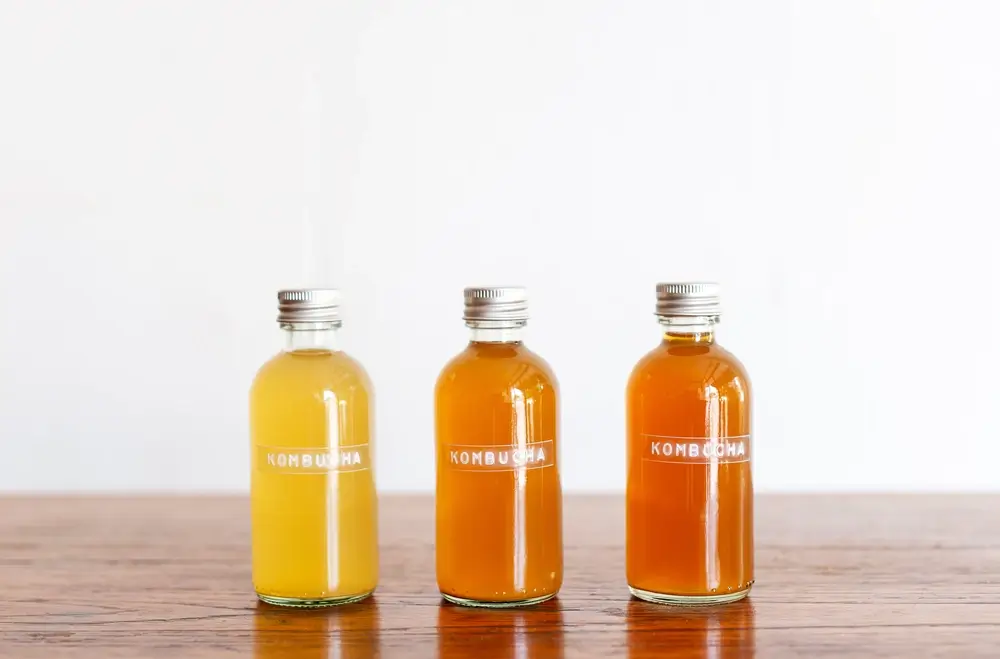
Boston Rounds are characterized by their rounded shoulders and curved body, offering a clean, recognizable profile that works across a wide range of product types. Their design supports a variety of viscosities, making them a versatile option for both food and beverage applications, from premium liquids to everyday pantry staples.
Common uses and characteristics:
- Frequently used for cold brew, juices, kombucha, wellness shots, syrups, sauces, and dressings
- Rounded profile supports both thin and viscous liquids
- Wide body offers ample labeling space and branding flexibility
- Compatible with CT or ROPP closures
- Performs well on both beverage and sauce filling lines
Boston Rounds remain a go-to format for their versatility, consistent supply chain availability, and ability to transition easily between product categories. Their straightforward geometry also simplifies sourcing, labeling, and integration into existing filling and capping systems—making them a practical choice for both startups and scaled operations.
Maple Syrup Bottles
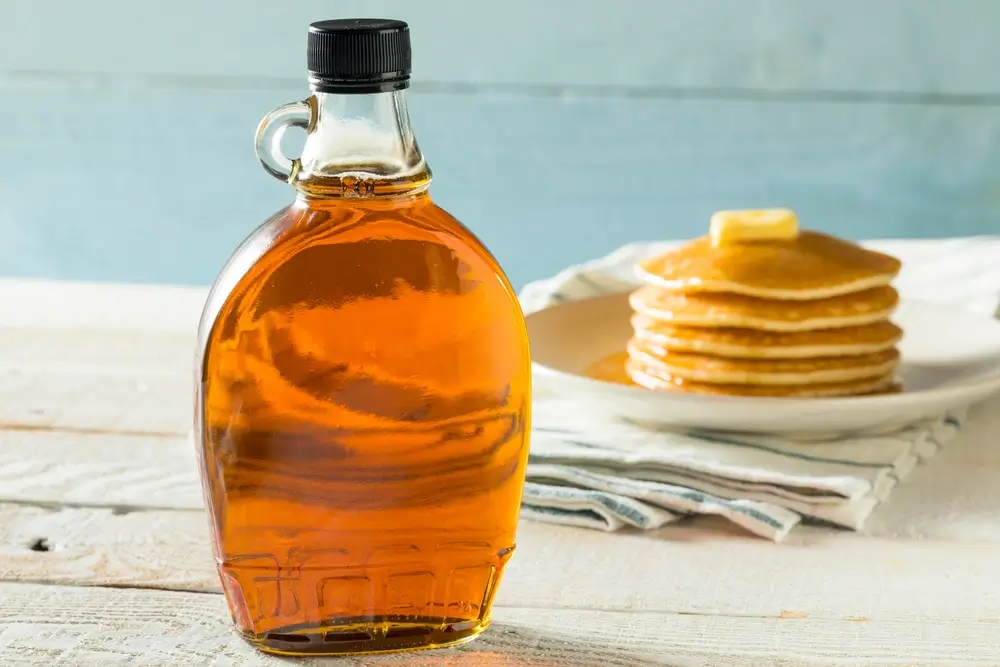
Maple syrup bottles are known for their rounded body, short neck, and integrated handle, a design that supports both function and visual familiarity. The shape is especially suited for thicker, slow-pouring liquids, offering easy handling and a strong association with syrup-based products.
Common uses and characteristics:
- Commonly used for maple syrup, molasses, honey blends, and dessert sauces
- Wide opening and body accommodate thicker viscosities during filling
- Handle adds grip stability and reinforces category recognition
- Flint glass enhances visibility for amber syrups; antique green or brown offers UV protection
- Typically compatible with CT or ROPP caps and runs well on standard filling lines
The familiar silhouette provides strong shelf recognition and offers a reliable structure for dense, high-viscosity products. Its blend of functional design and consumer expectation makes it a lasting format in syrup and specialty sweetener categories.
Nordic Spirits Bottle
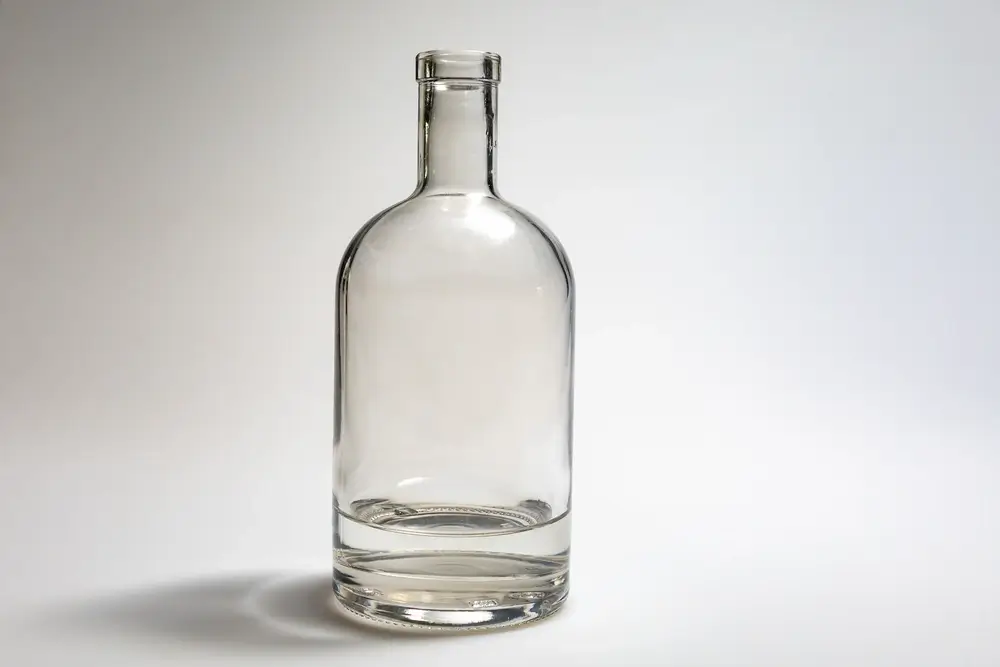
Nordic Spirits bottles are defined by their tall, straight sides, wide shoulders, and heavy base—a design that communicates stability, clarity, and premium positioning. The clean geometry provides strong shelf presence and generous space for decoration, making it a popular format across a wide range of distilled spirits.
Common uses and characteristics:
- Frequently used for vodka, gin, whiskey, tequila, rum, bitters, and infused spirits
- Long body supports large label panels, screen printing, or embossed branding
- Compatible with ROPP caps, T-corks, and wood-top synthetic closures
- Performs reliably on automated spirit-filling lines at commercial speeds
The Nordic bottle format remains a staple in the spirits category, combining visual precision, structural strength, and design flexibility. Its consistent performance across glass decoration, closure systems, and production lines makes it a versatile and recognizable choice for both established and emerging spirit brands.
Beer Bottles (Long-Neck Bottles)
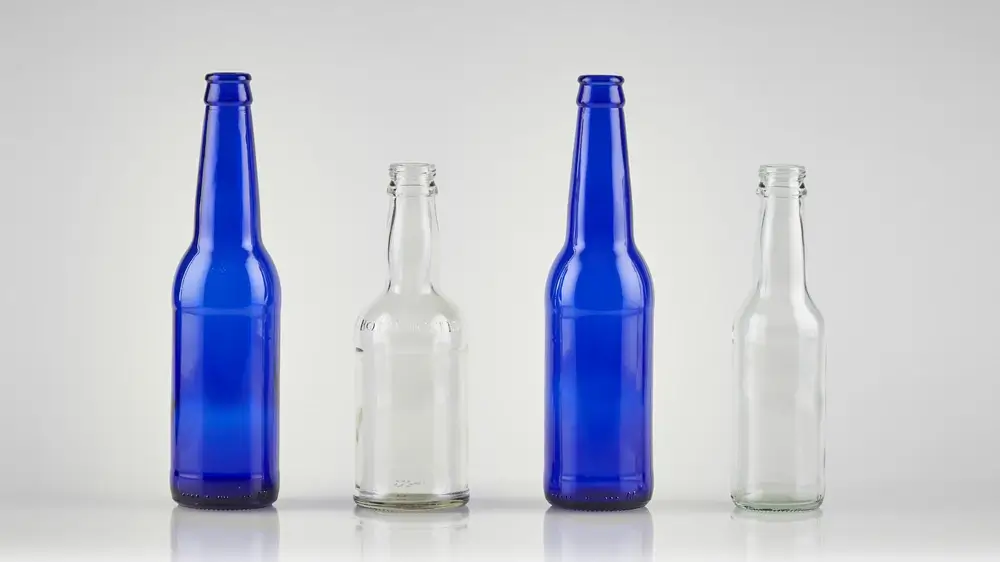
Long-neck beer bottles are among the most standardized shapes in beverage packaging, designed for carbonation control, consumer comfort, and filling line efficiency. Their slender neck and balanced proportions make them a practical and familiar format for a wide range of carbonated and non-carbonated drinks.
Common uses and characteristics:
- Frequently used for lagers, ales, IPAs, stouts, sours, kombucha, and craft sodas
- Extended neck helps regulate carbonation release and supports temperature retention
- Amber glass protects against UV exposure; flint glass is often used for specialty or non-beer beverages
- Compatible with crown caps for secure, tamper-evident sealing
- Runs efficiently on high-speed beverage lines with minimal changeover or adjustment
The long-neck format remains a staple in the beverage category, valued for its line efficiency, consumer familiarity, and adaptability across both large-scale and craft production environments. Its standardized design simplifies sourcing, streamlines filling and labeling, and supports a wide range of branding strategies—from minimalist labels to full-wrap decoration. For both heritage brands and emerging producers, the long-neck bottle offers a dependable balance of performance, tradition, and market recognition.
Traditional Wine & Champagne Bottle Shapes
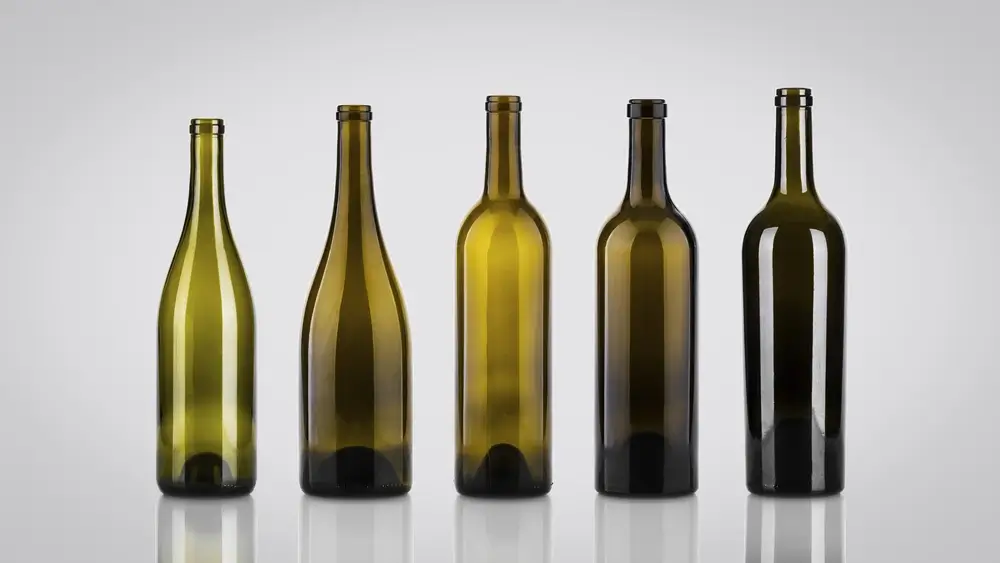
Wine and champagne bottles are known for their tall silhouettes, long necks, and distinct shoulder profiles, all of which contribute to a refined, premium aesthetic. While rooted in tradition, these shapes are now widely used across a broader range of beverage categories where elevated presentation and perceived value are important.
Common uses and characteristics:
- Commonly used for wine, sparkling juice, cocktail mixers, kombucha, botanical beverages, and select teas
- Bordeaux bottles: straight sides with pronounced shoulders
- Burgundy bottles: wider body and gently sloped shoulders
- Champagne bottles: thick-walled design to withstand carbonation pressure
- Compatible with corks, T-corks, crown caps, or ROPP closures
- Run reliably on beverage filling lines and offer strong shelf presence
These bottle formats continue to support a wide range of premium-positioned beverages, offering not only functional benefits like pressure tolerance but also ample space for branding, labeling, and decoration. Their versatility across both alcoholic and non-alcoholic categories makes them a dependable format for brands aiming to convey quality and tradition.
Glass Decorations
Decorations play a huge role in elevating a product and giving it a premium, memorable look. Beyond the shape itself, decoration adds another layer of control over color, finish, texture, and perceived value. These processes can be used individually or combined, and they are applied across food, beverage, personal care, pharmaceutical, and spirits packaging to create visual differentiation, support brand recognition, and align with category expectations.
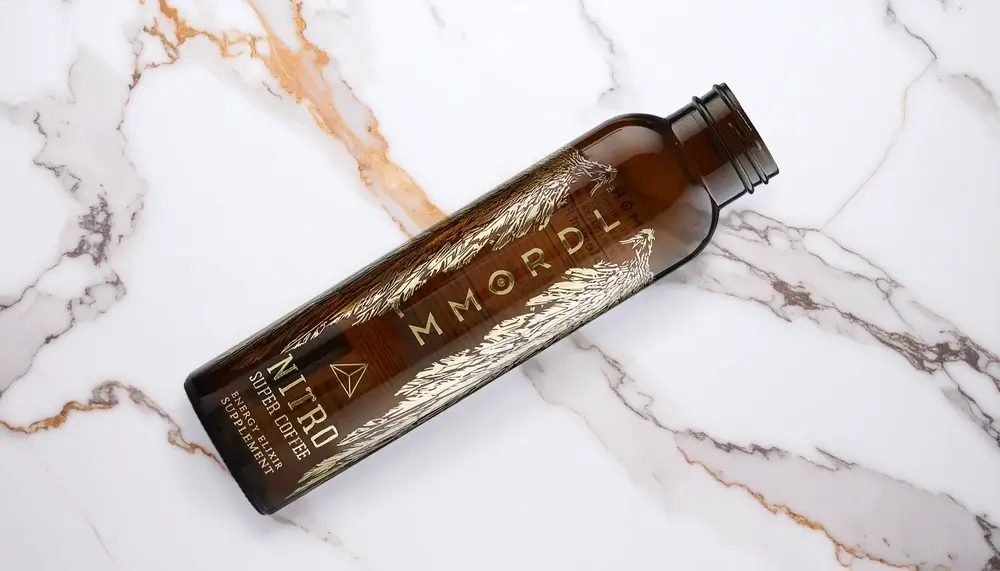
- PS/ACL Decal – Uses ceramic decals that are applied and baked onto the surface for multi-color, high-detail artwork with strong durability. If you're exploring how decals compare to silkscreen or label applications, you can review Evergreen’s decal capabilities via the Advanced Decorations hub here.
- Silkscreen Printing – Applies durable inks directly onto glass for logos, text, and simple graphics that will not peel like standard labels. To understand where silkscreen printing fits within Evergreen’s full decoration toolkit, you can learn more on our Silkscreen Printing page here.
- Embossing & Debossing – Integrates raised (embossed) or recessed (debossed) artwork into the glass surface, adding texture and a more tactile brand presence. To see how Evergreen applies embossing and debossing across glass and metal formats, visit the Emboss & Deboss section of the Advanced Decorations page here.
- Frosting - Creates a soft, translucent matte finish that reduces glare, hides fingerprints, and adds a premium tactile feel. To see how frosting is used across glass packaging, you can review Evergreen’s frosted finish capabilities here.
- Hot Stamping – Applies metallic or pigmented foil onto a product using a precision-engraved die. This technique allows the transfer of intricate logos, text, or decorative elements directly onto bottles. To learn more, explore our Heat Transfer Labels page here.
- Electroplating (Metallic) – Adds a metallic or chrome-like layer to the exterior, creating a reflective, high-impact finish often used for premium or limited-run SKUs. If you’re exploring metallic effects for caps, closures, or full bottles, you can review Evergreen’s metallization and electroplating examples here.
- Labeling – Remains one of the most widely used decoration methods, with options in matte, gloss, metallic, tactile, or waterproof constructions matched to the bottle’s label panels. Paper or film labels can be combined with other decoration techniques.
Together, these options allow teams to fine-tune how a bottle presents on shelf without changing the underlying glass geometry. For a deeper look at how each method works and how they can be used on glass bottles, see Evergreen’s Advanced Decorations & Printing capabilities.
Common Gaps in Glass Bottle Development
Glass packaging decisions often happen under tight timelines, especially when a new SKU needs to hit a launch window or move to a new co-packer. When that happens, it’s easy to focus on the visual side of the bottle and overlook some of the technical details that drive how it actually runs on the line. The points below highlight recurring gaps that can lead to delays, change parts, rework, or unexpected costs once production starts.
- Choosing a bottle shape before securing a co-packer
Different lines have strict limitations on height, diameter, neck finishes, and closure types. Selecting a shape without confirming line capabilities can create bottlenecks during filling, require additional tooling, or force a last-minute change in bottle design. - Ignoring closure compatibility
Each closure type—CT, Lug, ROPP, crown, reducer, or cork—has its own mechanical and sealing requirements. If bottle and closure are not matched early, it can affect seal integrity, leak resistance, tamper evidence, and overall line performance. - Overlooking hand-feel, grip, and pour control
How a bottle feels in hand directly affects how it is used in kitchens, bars, and retail environments. Neck width, shoulder style, diameter, and surface finish all influence grip, pour speed, and how easily product can be dispensed without spills or frustration. - Not matching shape to viscosity and fill method
Thicker products often require wider mouths or specific shoulder and body styles, while thinner, free-flowing products benefit from more controlled openings. Hot-fill, carbonated, and retort applications also require certain glass weights, geometries, and pressure tolerances to perform reliably on the line.
By checking these areas early—co-packer capabilities, closure compatibility, ergonomics, and product viscosity—teams can reduce late-stage changes and improve the odds that a chosen bottle will move efficiently from concept to full production.
Conclusion: Glass Bottle Format & Function
Glass bottle shape influences nearly every stage of production, from filling efficiency to shelf performance. Each format has strengths suited to certain viscosities, closure types, and line capabilities. When matched correctly, the bottle supports better handling, consistent sealing, reduced changeover time, and a more predictable supply chain.
As product lines expand or production shifts, format choices that align with both formula and equipment often help reduce friction and improve scalability.
At Evergreen, we support teams with bottle selection, closure matching, filling-line compatibility, and decoration guidance. Explore Evergreen’s available glass packaging formats here to see what fits your product and production needs.