

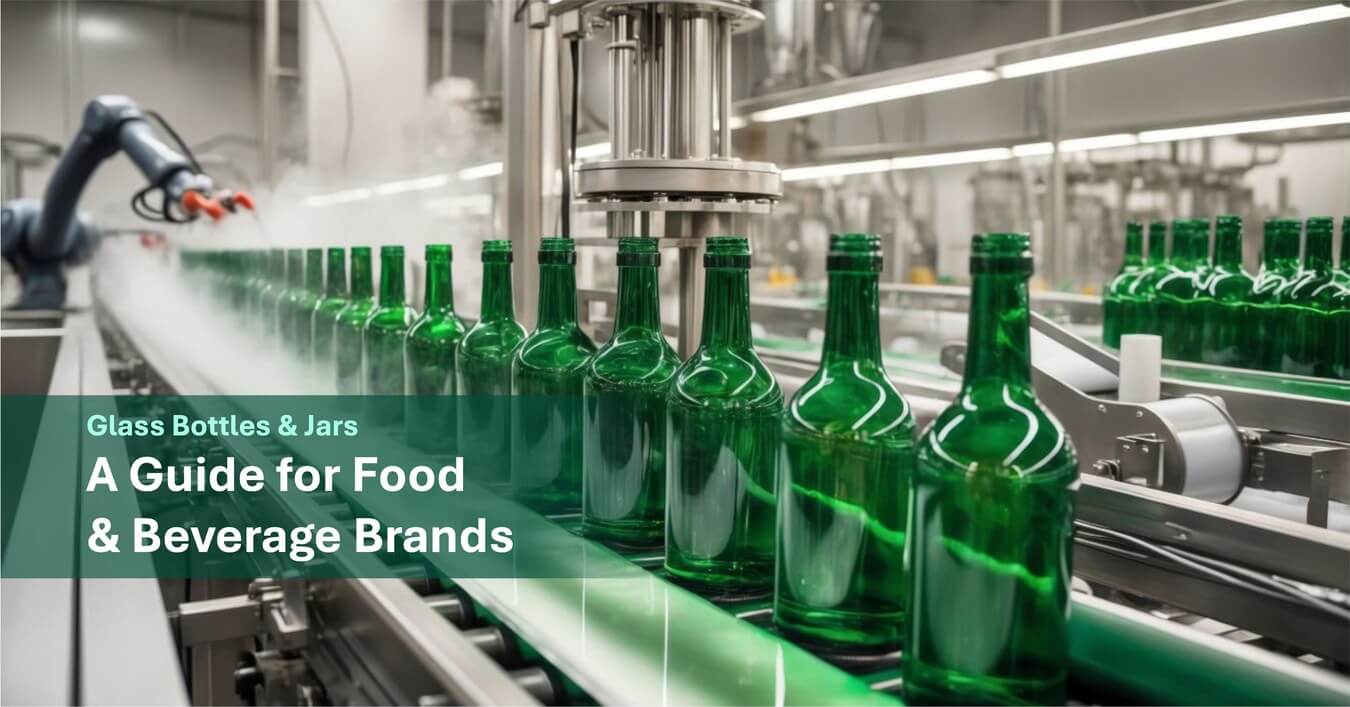
Glass remains one of the most trusted packaging materials in the food and beverage industry. It’s recyclable, airtight, and communicates quality the moment it hits the shelf. Whether it’s a cold-pressed juice, hot sauce, or jam, the right glass packaging not only protects the product but also strengthens consumer perception.
When evaluating a glass packaging supplier, brands should prioritize a few critical factors. Consistent product quality is non-negotiable, as even small variations can affect sealing, shelf life, and consumer trust. Responsive support is equally important – having a partner who can address questions and resolve issues quickly helps keep operations running smoothly. Finally, reliable lead times and airtight supply continuity are essential in avoiding costly disruptions. Taken together, these elements form the foundation of a supplier relationship that can scale with a brand’s growth.
Evergreen Resources has built its glass portfolio around the unique needs of food and beverage brands. With options spanning beverage bottles, sauce bottles, and food jars, Evergreen delivers both stock and custom solutions designed for safety, efficiency, and shelf appeal. More than a packaging supplier, Evergreen serves as a long-term partner for brands – combining technical expertise, global supply capabilities, and customization to help products stand out in competitive markets.
Glass Formats
Different product types demand different glass formats, and the choice often comes down to balancing function, branding, and consumer expectations. For sauces and condiments, packaging needs to be practical for pouring or dispensing while still protecting flavor integrity. Jams and spreads benefit from wide-mouth jars that emphasize freshness and reusability. Beverages require bottles that not only safeguard carbonation or shelf stability but also signal quality and style in a competitive market. And for beer, glass continues to be the gold standard — preserving taste while aligning with the heritage of the category. Understanding these distinctions helps brands select packaging that enhances both performance and perception.
Sauce Bottles
Sauces and condiments call for packaging that balances functionality with brand impression. Narrow necks and controlled-pour designs make products easier to use, while durable glass helps preserve freshness and flavor. Labels and embossing play an important role here too, since sauce bottles often sit in crowded categories where visual differentiation matters.

Food Jars
From jams to nut butters, jars are designed to highlight product integrity and ease of use. Wide-mouth openings improve access and reusability, encouraging repeat engagement with the package itself. For many brands, the jar shape and closure style also become part of their identity, reinforcing a sense of authenticity and quality.

Beverage Bottles
In the beverage space, packaging does more than contain — it conveys positioning. Glass bottles are associated with premium quality, whether for juices, teas, or functional drinks. The right shape and closure system can influence consumer perception at first glance, while also ensuring product safety and shelf stability throughout distribution.

Beer Bottles
Glass remains the benchmark for beer packaging, trusted to protect carbonation and maintain taste. Beyond performance, bottles connect to tradition and brand heritage, which remain strong purchase drivers in the category. Format choices — from longnecks to stubbies — signal different market positions, making the vessel as much a part of the brand story as the label.

Technical Considerations
When evaluating glass packaging for food and beverage, brands need to weigh several technical factors that directly affect both performance and consumer experience.
Glass Color: Glass packaging is available in a range of colors — each chosen not only for its visual appeal but also for the level of protection it provides to the product inside.
- Flint (clear): Highlights product visibility but offers no UV protection. Different levels of clarity are available, including commercial flint, high-grade flint, and ultra-clear flint.
- Amber: Strong UV protection, often used for beer and light-sensitive products.
- Cobalt Blue / Emerald Green: Eye-catching colors that provide partial light protection and brand distinction.
- Antique Green / Olive Green: Traditional hues commonly used for wine and olive oil, balancing heritage with function.
Gram Weight: The gram weight of glass refers to its mass and thickness — generally, a higher gram weight means higher cost of packaging.
- Lightweight glass: Reduces shipping costs and environmental impact, often chosen for sustainability-focused brands.
- Heavyweight glass: Provides durability and a premium hand-feel — commonly preferred for luxury beverages, condiments, and sauces.
Capacity & Shapes: The capacity and shape of glass packaging directly influence the fill volume, usability, and shelf presence.
- Evergreen supplies bottles and jars from small sample sizes to bulk formats ranging from 10 mL – 4L.
- Common forms include round, square, rectangular, and oval.
- Specialty shapes (Woozy bottles, Boston Rounds, Marasca bottles) are available for industry-specific applications.
Neck Finishes & Closures: The neck finish defines the opening of the glass container, which must align precisely with the finish of the matching closure.
- Common standards include GPI threads (continuous thread screw caps), lug finishes (twist-off caps for jars), DIN standards (international specifications for bottles and vials), as well as crown finishes (beer), and cork/mushroom finishes (wine and sparkling beverages).
- Closure range from lug caps, CT caps, crown caps, corks, bar-tops, tamper-evident, and child-resistant options.
- Evergreen reduces risk by supplying bottles and closures as a matched system, tested for compatibility.
These technical choices directly influence production efficiency, shelf life, and consumer safety. Evergreen’s technical team helps customers navigate the details, ensuring packaging is as functional as it is attractive.
Glass Decoration Techniques
Decoration is what transforms a standard glass container into a brand-defining package. Different techniques serve different purposes, and understanding their strengths and limitations helps brands choose the right fit for product positioning, budget, and production scale.
- Frosted (acid etching): Creates a translucent, matte finish that signals premium quality. It resists fingerprints and enhances grip, but it can be more costly and less vibrant for brands seeking bold graphics.
- Color spray: Available in glossy, matte, soft-touch, or gradient finishes, spraying provides maximum flexibility for brand differentiation. While versatile, sprayed coatings may be less durable under heavy handling compared to integrated color glass.
- Silkscreen printing: Ideal for applying simple, durable graphics directly onto glass. Works well for logos, text, and single-color branding, but becomes more expensive and time-intensive for multi-color or high-coverage designs.
- PS/ACL decals: Applied like a transfer, these decals allow for detailed, multi-color designs. They offer high visual impact, though they can add cost and longer lead times.
- Embossing and debossing: Formed directly in the mold, these features create permanent, tactile branding. They elevate premium perception but require custom tooling, making them less flexible for design changes.
- Heat transfer: Allows complex, full-color images to be permanently bonded to the glass surface. It supports photographic detail, though durability can vary depending on the application method.
- Electroplating (metallic): Produces a reflective, metallic effect for luxury positioning. Highly eye-catching, but generally used for limited runs due to higher cost and environmental considerations.
- Sandblasting: Similar to frosting but with a textured effect, sandblasting creates a tactile surface and subtle, premium look. However, it can add time and expense to production.
- Labeling: Still the most common decoration method, labels are cost-effective, flexible, and allow for easy design updates. Their main limitation is durability — labels can peel or scuff under certain conditions.
Evergreen offers all of these decoration techniques, enabling brands to tailor packaging aesthetics to their market strategy. From embossing that locks a logo into the glass itself to bold sprays or metallic effects that command shelf presence, Evergreen’s team guides brands in selecting the right method to balance visual impact, cost, and performance. Learn more about our advanced decoration capabilities on this page.
Custom Tooling
When it comes to glass packaging, brands often face a choice between stock formats and fully custom designs. Stock options are ideal for speed to market, lower upfront costs, and products where differentiation comes primarily from labeling or decoration. Custom tooling, on the other hand, allows brands to create proprietary shapes, embossing, or functional features that directly reinforce brand identity and stand out in crowded categories. While it requires higher upfront investment and longer timelines, custom packaging can become a signature asset that drives long-term equity.
Evergreen guides brands through the full tooling process with a structured, transparent approach. This begins with drawings and a clear development timeline, followed by pilot molds that allow for early validation. Production molds are then developed, with sampling approvals, testing, and qualification steps ensuring every detail meets technical and regulatory requirements. If adjustments are needed, Evergreen manages mold refinements before moving into full-scale production. Evergreen provides custom mold development in as little as 30–50 days, giving brands speed to market without compromising quality. Learn more about Evergreen’s custom tooling capabilities on this page.
Selecting the Right Glass Supplier
The glass itself is only part of the equation. Choosing the right supplier means weighing a range of factors — from quality controls and production timelines to certification standards and closure compatibility. A reliable partner doesn’t just supply bottles and jars; they ensure the entire system works together seamlessly for safety, branding, and efficiency.
Quality Approach: Evergreen places QC engineers at manufacturing sites, overseeing dimensional accuracy, wall thickness, and defect rates. Each production run undergoes testing for thermal shock resistance, pressure durability, and FDA compliance, ensuring consistency across high-volume orders. By embedding quality at every step, Evergreen reduces the risks of product recalls or costly line stoppages. Learn more about Evergreen’s QA & QC Approach
Lead Times: For food and beverage brands, predictability often matters more than proximity. Seasonal launches, promotional windows, and retail shelf resets demand packaging that arrives on schedule. While some suppliers may advertise short lead times, in practice these can swing dramatically — two weeks in one order cycle, six months in the next — creating costly uncertainty. A consistently reliable 90-day lead time is far more valuable than fluctuating promises, because it allows brands to plan production and inventory with confidence.
Evergreen helps customers achieve this stability through a global manufacturing network and inventory support programs. By tapping into multiple regions and production partners, Evergreen reduces the risk of disruption and ensures packaging supply stays aligned with customer timelines. Learn more about Evergreen’s Global Manufacturing Network.
Quality Certifications: Quality and compliance are critical in glass packaging, where even small variances can affect safety, performance, and regulatory approval. Certifications demonstrate that a supplier’s processes meet global standards for consistency, environmental responsibility, and food safety.
- ISO 9001: Focuses on quality management systems, ensuring reliable processes and continuous improvement.
- ISO 14001: Centers on environmental management, reflecting a supplier’s commitment to sustainability and reduced environmental impact.
- FSSC 22000: Recognized worldwide in the food and beverage industry, this standard guarantees robust food safety management across the supply chain.
Evergreen maintains ISO 9001, ISO 14001, and FSSC 22000 certifications across its operations, giving brands confidence that packaging is produced to the highest international standards. With FDA testing available as needed, Evergreen ensures that both quality and compliance are built into every product. Learn more about our strict quality approach and food & beverage certifications in our blog, "Ensuring Safety in Food & Beverage Packaging".
Compliance Testing: Food and beverage packaging must often meet specific regulatory requirements, from FDA food-contact documentation in the U.S. to heavy metal testing and EU standards abroad. Evergreen provides all necessary compliance testing and documentation, helping brands avoid regulatory hurdles while ensuring consumer safety and confidence.
Closure Compatibility: The closure is just as important as the glass container itself — a mismatched system can lead to leakage, spoilage, or consumer frustration. Evergreen minimizes that risk by supplying matched packaging systems where bottles and closures are tested together. Available closure options include lug caps, continuous thread caps, twist-off caps, crown caps, bar-tops, corks, tamper-evident lids, and child-resistant designs. This breadth of options allows brands to balance convenience, safety, and branding while simplifying sourcing through a single supplier.
Brining It All Together
In food and beverage, packaging is never just about containment — it’s about safeguarding product integrity, meeting regulatory standards, and shaping how consumers experience a brand. Glass continues to stand out as the preferred material for quality and longevity, but success depends on more than the vessel itself. Reliable lead times, the right format, thoughtful decoration, and tested quality systems all play a role in delivering packaging that supports growth and resilience.
Evergreen combines these elements into one integrated offering — from stock bottles and jars to custom tooling and advanced decoration. With global manufacturing capacity, certified quality systems, and a focus on both performance and sustainability, Evergreen helps brands navigate complexity with confidence. The result is packaging that not only protects what’s inside but also strengthens brand presence where it matters most: on the shelf. To explore how Evergreen can support your packaging strategy, connect with our team to start the conversation.