

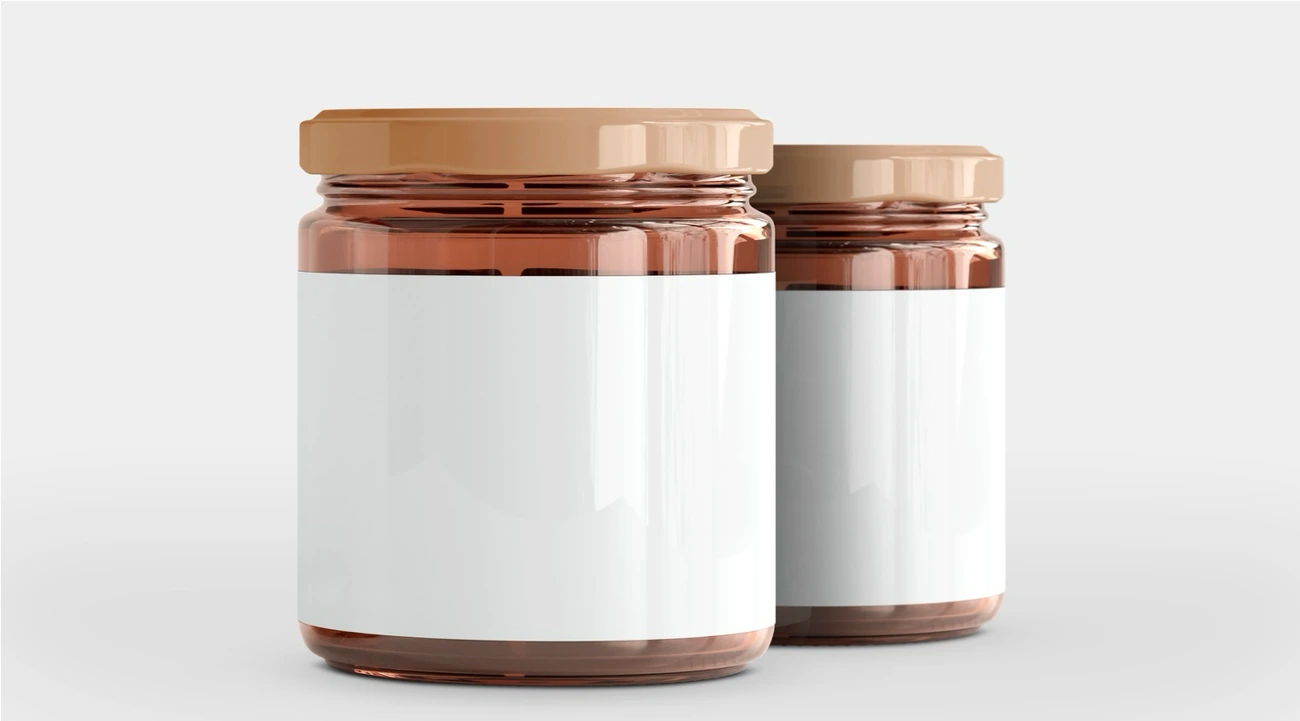
In food and beverage packaging, the label is often the first—and most immediate—point of interaction.
Before a customer experiences the product itself, they experience the label: how it looks, how it feels, and how clearly it communicates what’s inside. But effective labeling doesn’t exist in isolation. Its performance is closely tied to the glass format and closure system it’s applied to.
Glass offers clarity, durability, and a premium presentation—but it also introduces unique considerations that influence how labels adhere, perform, and hold up over time. The interaction between label material, adhesive, and container geometry plays a direct role in both visual consistency and operational efficiency. Understanding these relationships helps create packaging that performs reliably while maintaining shelf presence.
For a broader overview of glass packaging—from format selection and technical considerations to decoration and supplier strategy—explore our blog post on Glass Bottles & Jars: A Guide for Food & Beverage Brands.
Start with the Label — Or the Bottle, But Plan for Both
Some brands, particularly in premium or design-driven categories, begin by defining how the product should appear on shelf. In these cases, the label helps establish brand identity early, influencing decisions around layout, finish, and visual hierarchy. The glass format is then selected to support that design intent.
In other cases, especially where cost, supply chain, or operational efficiency are a priority, the bottle is selected first. The label is then developed to fit within the available surface area and application requirements.
Both approaches are common. What matters is understanding how the two interact. Glass introduces a few practical constraints:
- Curvature affects label adhesion
- Condensation can affect durability over time
- Surface area can limit required content and layout
When these factors are accounted for early, labeling outcomes tend to be more consistent across production and distribution.
Matching Label Types to Glass Formats
Different label constructions perform differently depending on the shape and use case of the container. Choosing the right pairing ensures that labels not only look good at application, but continue to perform throughout handling, storage, and use.
Straight-Wall Bottles & Jars → Pressure-Sensitive Labels
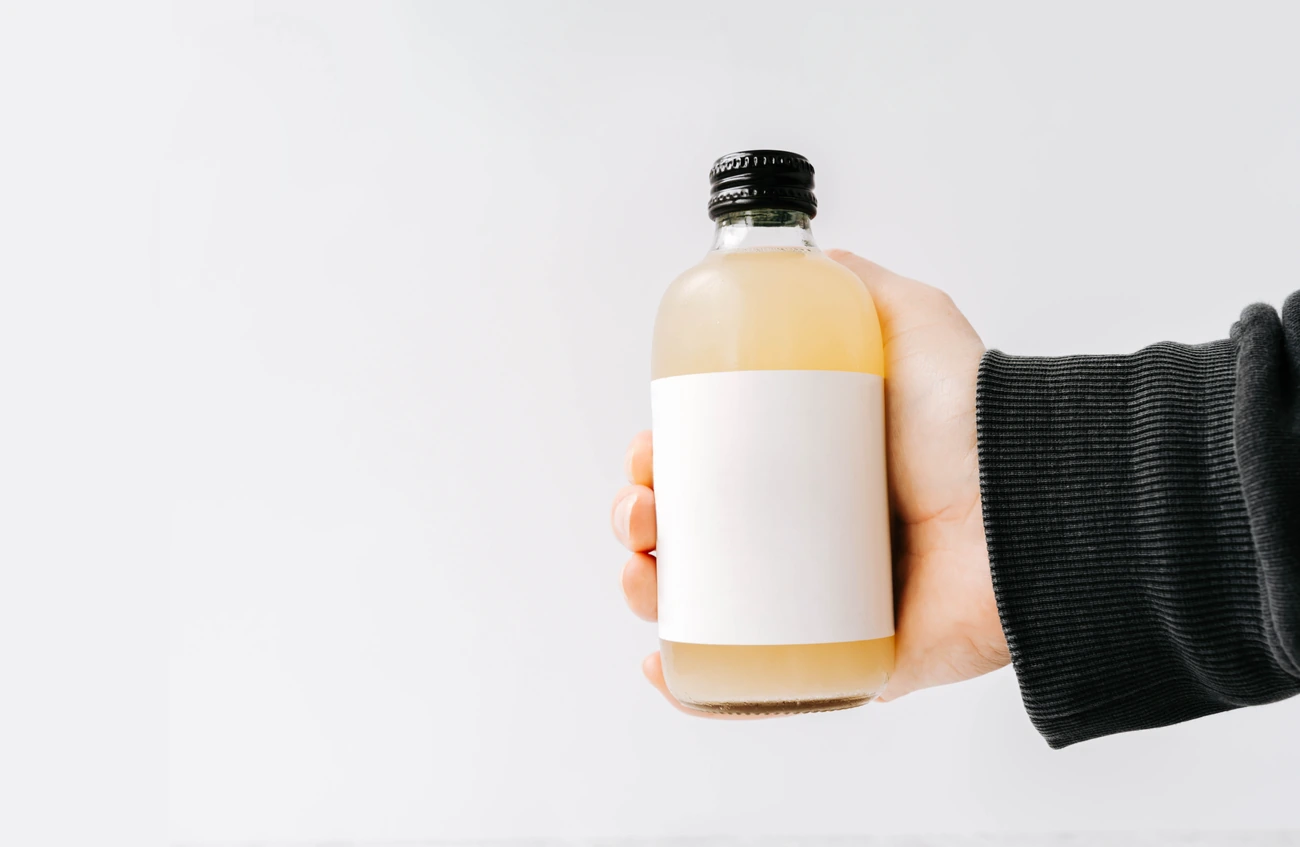
Straight-wall containers are one of the most reliable formats for labeling because they provide a consistent surface for application. This makes them a go-to choice for a wide range of food and beverage products where both branding and production efficiency matter. For straight-wall containers, pressure-sensitive labels (PSL), also called self-adhesive labels, are most commonly used.
What they are:
- Pre-printed labels with adhesive backing, applied via automated equipment.
- Typical use cases include hot sauce, jam, honey, RTD beverages, and specialty foods.
Why they are popular:
- Clean, premium look
- Works well on straight walls (no distortion issues)
- Supports high-quality printing (matte, gloss, textures, metallics, clear films)
Common variations:
- Paper labels (wine, sauces, artisanal foods)
- Film labels (BOPP, PET) — more durable, water/oil resistant
- Clear “no-label look” labels for glass jars
This format offers flexibility in both design and production. Whether using a full-wrap label for storytelling or a front/back layout for structure, straight-wall containers make it easier to achieve consistent, clean results at scale.
Tapered or Contoured Bottles → Smaller PSL or Flexible Films
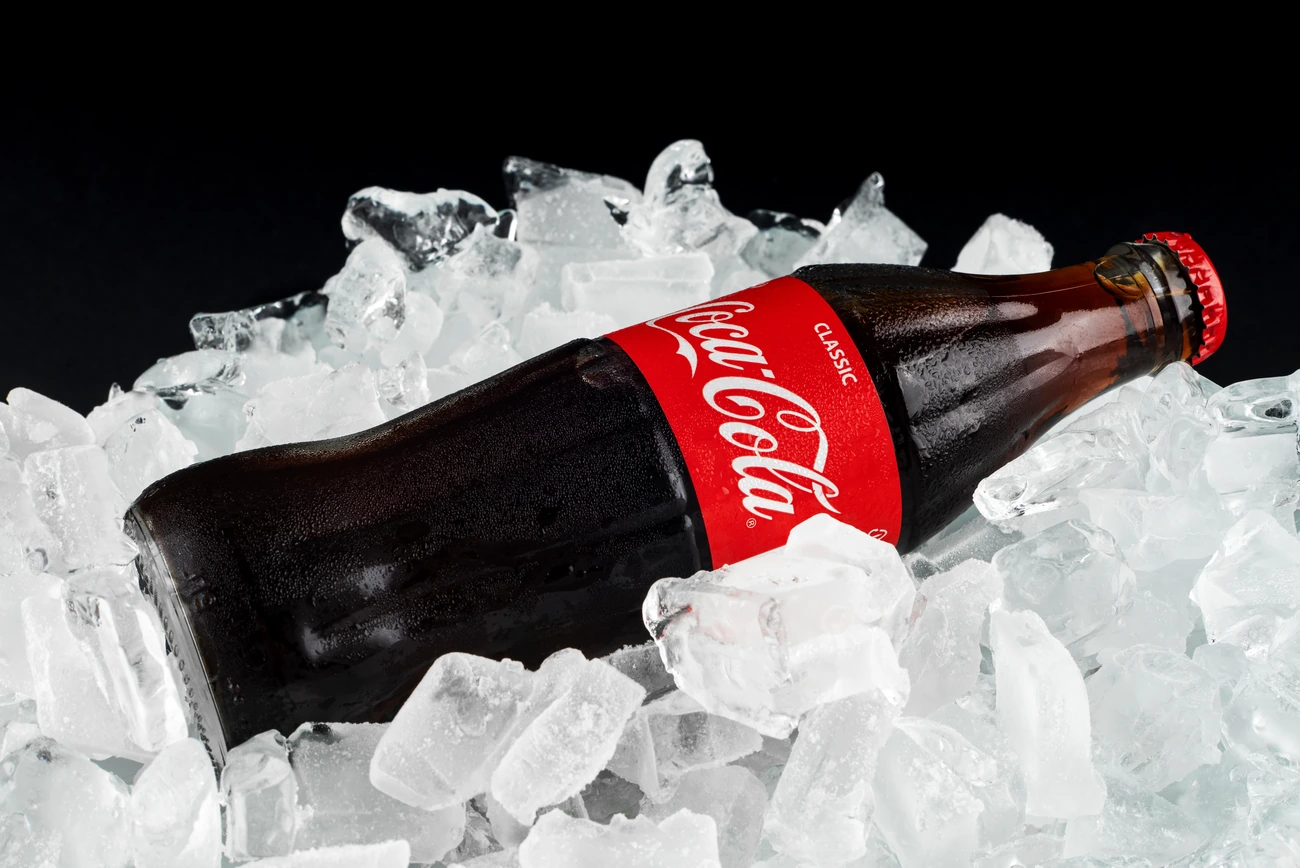
Tapered or contoured bottles introduce variation in surface area, which can make standard label application more challenging. Unlike straight-wall containers, these shapes typically rely on smaller pressure-sensitive labels (PSL) or flexible film labels that can conform to curves without wrinkling, lifting, or distortion.
What they are:
- Pressure-sensitive labels sized and positioned to fit within flatter areas of the container
- Flexible film constructions (such as BOPP or PET) that can conform to curvature during application
Why they are popular:
- Reduces wrinkling and edge lift on curved or tapered surfaces
- Flexible materials conform to contour changes more effectively
- Supports cleaner, more intentional label placement on limited flat areas
Common variations:
- Smaller pressure-sensitive labels positioned on flatter panel areas
- Film labels (BOPP, PET) — more flexible and resistant to moisture or handling
- Embossed or screen-printed glass can supplement or replace label content
These formats often emphasize the shape of the container itself as part of the brand experience. While they can create a more distinctive appearance, they require careful planning to ensure required information is clearly presented within a more limited labeling area.
Wide-Mouth Jars → Large Surface Labels
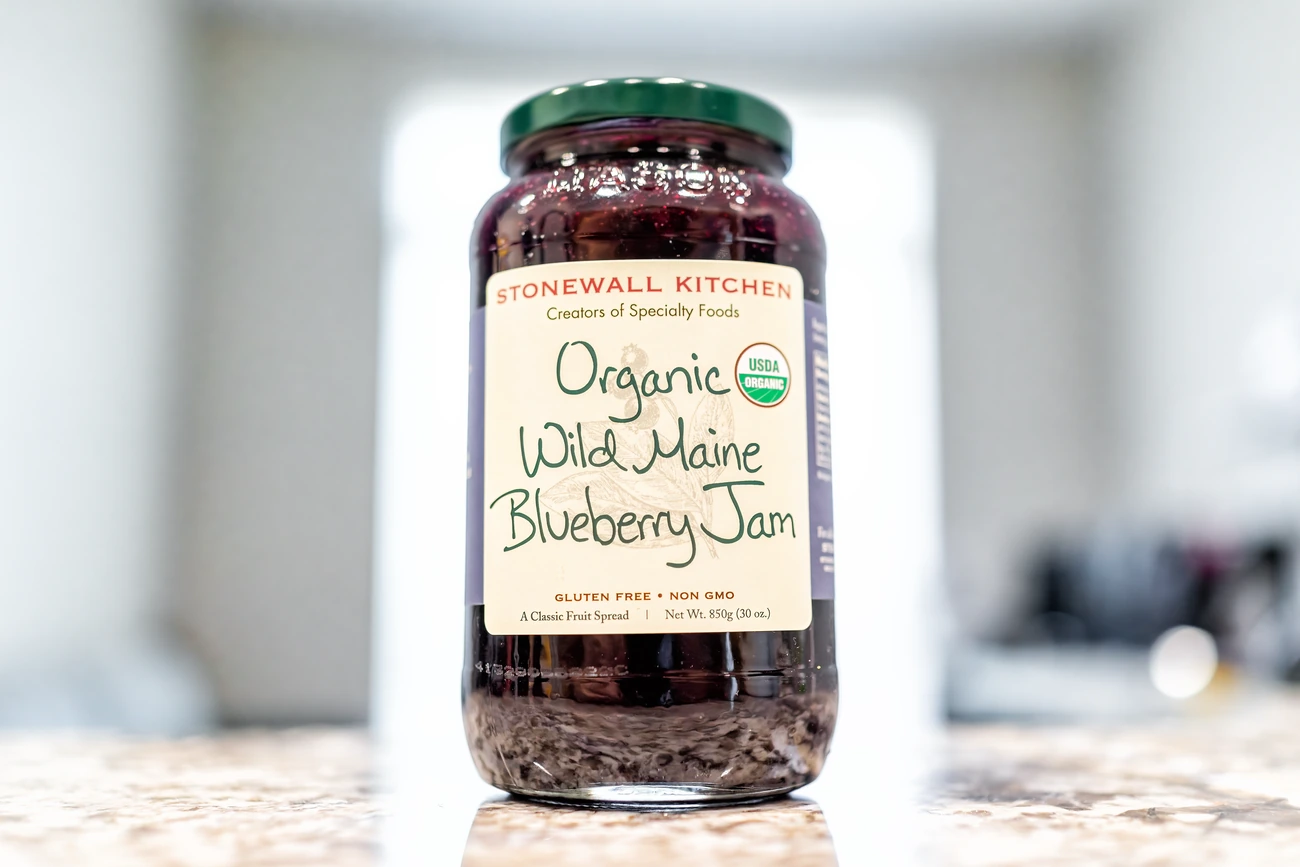
Wide-mouth jars provide one of the most practical labeling surfaces in food packaging. Their larger diameter and straight walls create ample space for both branding and detailed product information.
What they are:
- Large surface labels are larger-format pressure-sensitive or wrap labels applied to straight-wall, wide-diameter containers
- Typical use cases include sauces, jams, spreads, pickled foods, and ready-to-eat products
Why they are popular:
- Expanded surface area supports more detailed label layouts
- Straight walls allow consistent application with minimal distortion
- Suitable for regulatory-heavy packaging (nutrition, ingredients, claims)
Common variations:
- Full-wrap labels for maximum information and storytelling
- Paper labels (wine, sauces, artisanal foods)
- Film labels (BOPP, PET) — more durable, water/oil resistant
These formats are commonly used where both branding and information density are important. With more available surface area, label layout plays a key role in maintaining clarity while supporting shelf presence.
Label Durability Depends on Product Conditions
A label’s performance is defined not only by its appearance, but by how it holds up over time. Food and beverage products are often exposed to refrigeration, condensation, heat, and repeated handling—each of which can affect label materials and adhesive performance.
Durability tends to be strongest when label construction is aligned with the product’s actual use environment.
Cold & Refrigerated Products (Beverages, Juices):
- Film-based labels (BOPP or PET) are commonly used for moisture resistance
- Adhesives are selected to maintain performance under condensation
- Finish choice (matte vs. gloss) can influence readability when wet
Hot-Fill Products (Sauces, Shelf-Stable Foods):
- Label materials are chosen to tolerate elevated filling temperatures
- Adhesive selection is critical to prevent edge lift
Oil-Based or Acidic Products:
- Require resistance to staining and breakdown
- Film labels outperform paper in most cases
A label that performs well in controlled conditions may fail in real-world use if these factors are not considered. Matching label materials to actual product environments helps ensure durability from production through consumption.
Label Placement Strategy Matters
Where a label is placed affects how the product is seen, understood, and used. Placement determines what information is prioritized and how easily a consumer can engage with the package.
Front Label:
- Communicates brand identity and key selling points
- Must be readable at a glance
- Sets the first impression on shelf
The front label carries the most visual weight. It should communicate clearly and quickly, especially in environments where consumers are making fast decisions.
Back Label:
- Contains regulatory and required information
- Provides supporting product details
- Reinforces brand credibility and transparency
The back label provides depth. Even though it carries required information, it should remain organized and easy to navigate to support usability.
Wrap Label:
- Maximizes storytelling and compliance space
- Allows continuous design across the container
- Requires precise alignment and application
Wrap labels are efficient but demand consistency. Misalignment or poor seam placement can disrupt the overall appearance of the package.
Neck or Shoulder Labels:
- Common in beverages to add perceived value
- Highlight product features or promotions
- Reinforce branding without crowding main label
These secondary elements can enhance the package when used intentionally. They should complement the primary label rather than compete with it.
Effective placement creates a natural flow of information. The consumer should be able to quickly understand the product, then easily access additional details without confusion or effort.
When to Consider Direct-to-Glass Decoration
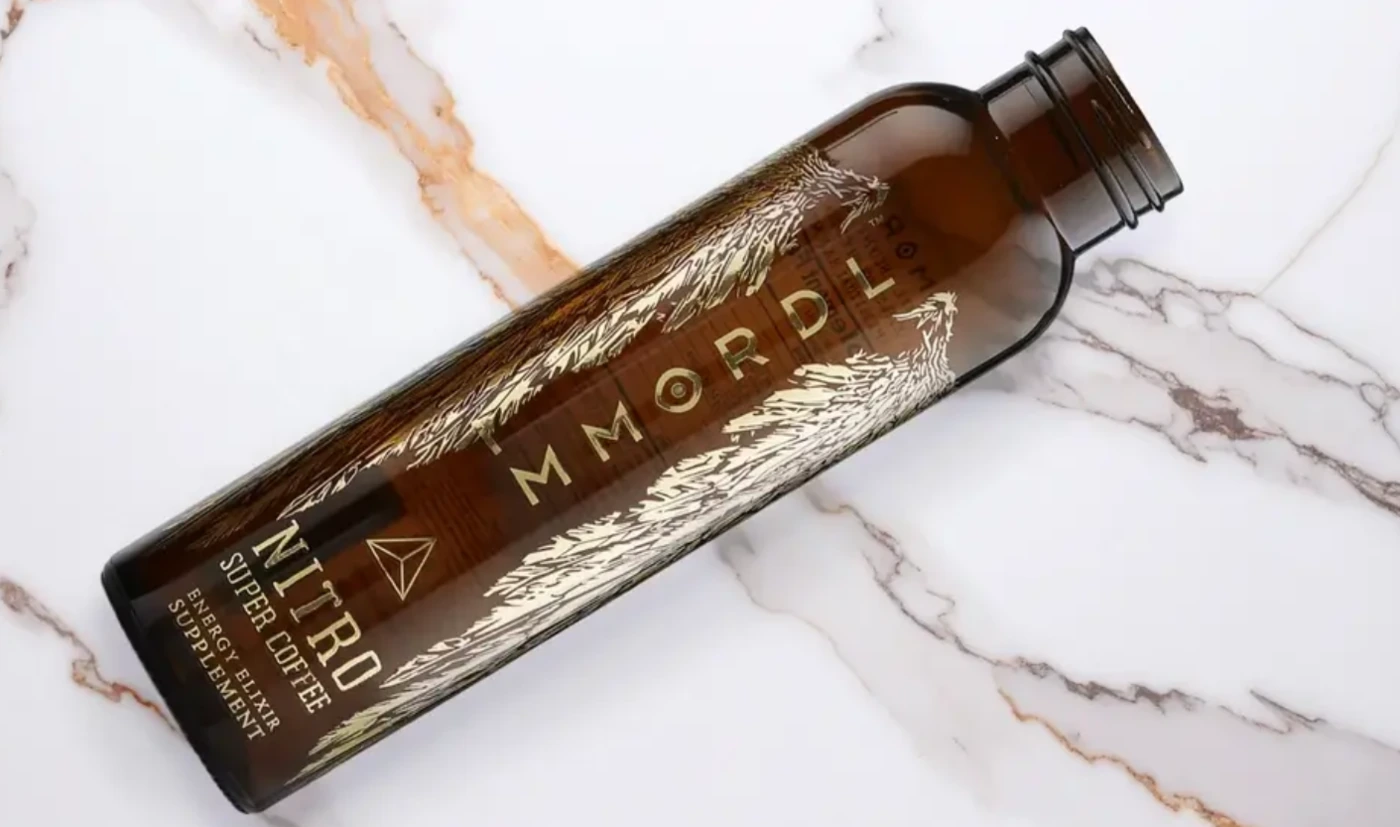
While labels are the most common solution, some applications benefit from decorating directly on the glass. This approach integrates branding into the container itself rather than applying it as a separate layer.
Options include:
- Embossing
- Hotstamping
- Silkscreen printing
- ACL (applied ceramic labeling) / decal
These methods create a more permanent, premium, and integrated appearance.
Best suited for:
- High-volume SKUs with stable designs
- Premium or specialty beverages formats
- Luxury products
Advantages:
- Highly durable (resistant to moisture and handling)
- Integrated appearance that supports a premium presentation
- Eliminates risks like peeling or bubbling
Considerations:
- Higher unit cost
- Reduced flexibility for artwork changes
Direct-to-glass decoration works best when the design is stable, and the volume per artwork can be forecasted accurately. This is typically the case for established brands. For many newer brands, labels remain the more flexible and scalable option, especially during product development or iteration.
Final Takeaway
Taking the time to understand how glass packaging and labeling interact leads to better outcomes. Whether the goal is clarity, durability, or premium presentation, thoughtful labeling decisions help ensure that the final package delivers consistently, from production to the consumer’s hands.
If you’re evaluating glass packaging for a new or existing product, aligning label strategy with the right bottle and closure early in the process can help avoid costly adjustments later. Evergreen works with brands to identify packaging solutions that support both performance and presentation—helping ensure that your glass packaging reflect the quality of the product inside. Get in touch with Evergreen to learn how we can help today.