


Pad Printing
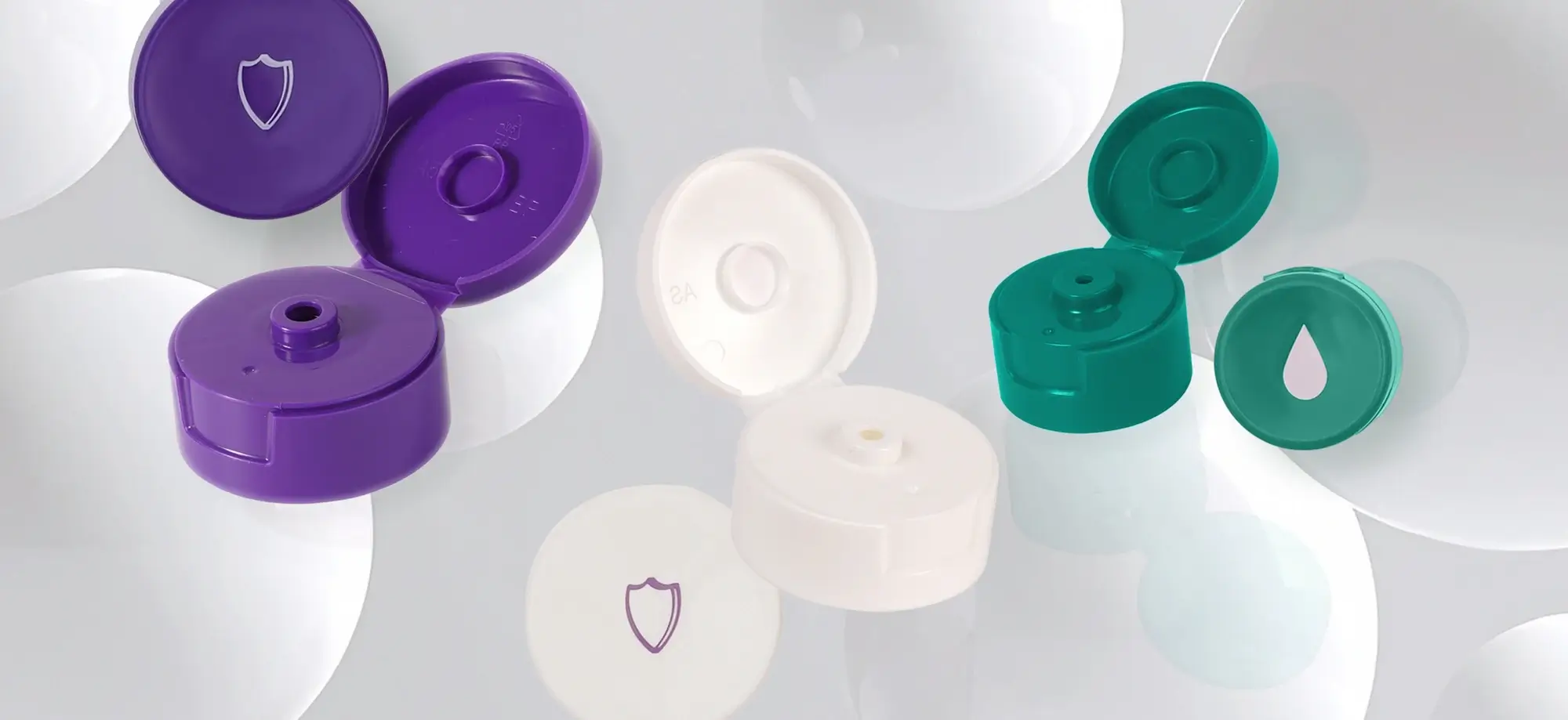
Pad printing is a stamping-based decoration process that transfers simple graphics, logos, or text onto products using a soft silicone pad. Pad printing is best suited for single-color or spot-color logos, text, and straightforward designs. This technique is ideal for applying branding, icons, regulatory markings, or batch codes directly to bottles, caps, jars, and small components.
Advantages

Excellent Versatility
Prints reliably on flat, curved, textured, and irregular surfaces, making it suitable for a wide range of shapes and product geometries.
Crisp and Consistent
Delivers crisp, consistent results for fine lines, small text, logos, and icons – ideal for regulatory marks and straightforward graphics.
Cost-Efficient for Small Runs
Low setup and tooling costs make pad printing practical for short production runs, prototypes, and customized orders.
Durable Prints
Specialized inks provide resistance to abrasion, chemicals, and moisture, helping graphics last throughout the product’s lifecycle.

Process
Pad printing follows a systematic, high-precision process to transfer detailed graphics, logos, or branding onto finished products. Each stage is essential for achieving crisp detail, strong adhesion, and a durable decorative finish.

Design & Plate Preparation
The process starts with creating high-resolution artwork tailored for pad printing, considering the product’s shape and size. The finalized design is etched onto a printing plate (cliché), which holds the inked image for transfer.

Ink Pickup by Silicone Pad
A soft, flexible silicone pad descends onto the inked plate, picking up the image as a thin ink film. The pad’s elasticity allows it to conform to the plate’s surface and lift the ink cleanly.

Curing & Drying
Printed products are allowed to air dry or are sent through curing equipment (e.g., heat, UV light) depending on ink formulation and product material. This step solidifies the ink, maximizing adhesion and durability.

Ink Preparation & Plate Inking
Specialized pad printing inks are selected and mixed to match the required color and product. The ink is applied to the plate, filling the etched areas that form the image.

Image Transfer to Product
The pad moves from the plate to the product, pressing down to transfer the inked image onto the target area. Its flexibility enables precise placement on flat, curved, textured, or irregular surfaces, ensuring consistent print quality.

Quality Control Inspection
Each printed product is inspected for print clarity, alignment, color accuracy, and adhesion. Any defects – such as smudging, misregistration, or incomplete coverage – are identified and corrected before final packaging.
By following these steps, pad printing delivers precise, durable graphics and branding elements on a wide variety of product shapes and materials. While best suited for single-color or spot-color applications, pad printing is a reliable choice for applying detailed logos, text, and simple artwork to packaging – especially where surface contours or small print areas make other decoration methods impractical.
Applications
Pad printing is widely used in food & beverage, personal care, and home care packaging for its ability to reproduce sharp and detailed branding directly onto a variety of products, enhancing shelf presence and brand recognition.
Plastic
Plastic Caps
Cosmetic Packaging
Plastic Bottles and Jars

Metal
Metal Caps
Jars & Tins
Pad printing is a highly adaptable decoration technique that allows for the precise transfer of simple designs, plain logos, and regular text onto products with flat, curved, or irregular surfaces – making it ideal for small-batch, customized, and premium packaging. At Evergreen Resources, we provide professional pad printing services for plastic and metal packaging components. Our experience ensures crisp, clear results, strong ink adhesion, and consistent quality on both smooth and challenging product shapes.
Related Products
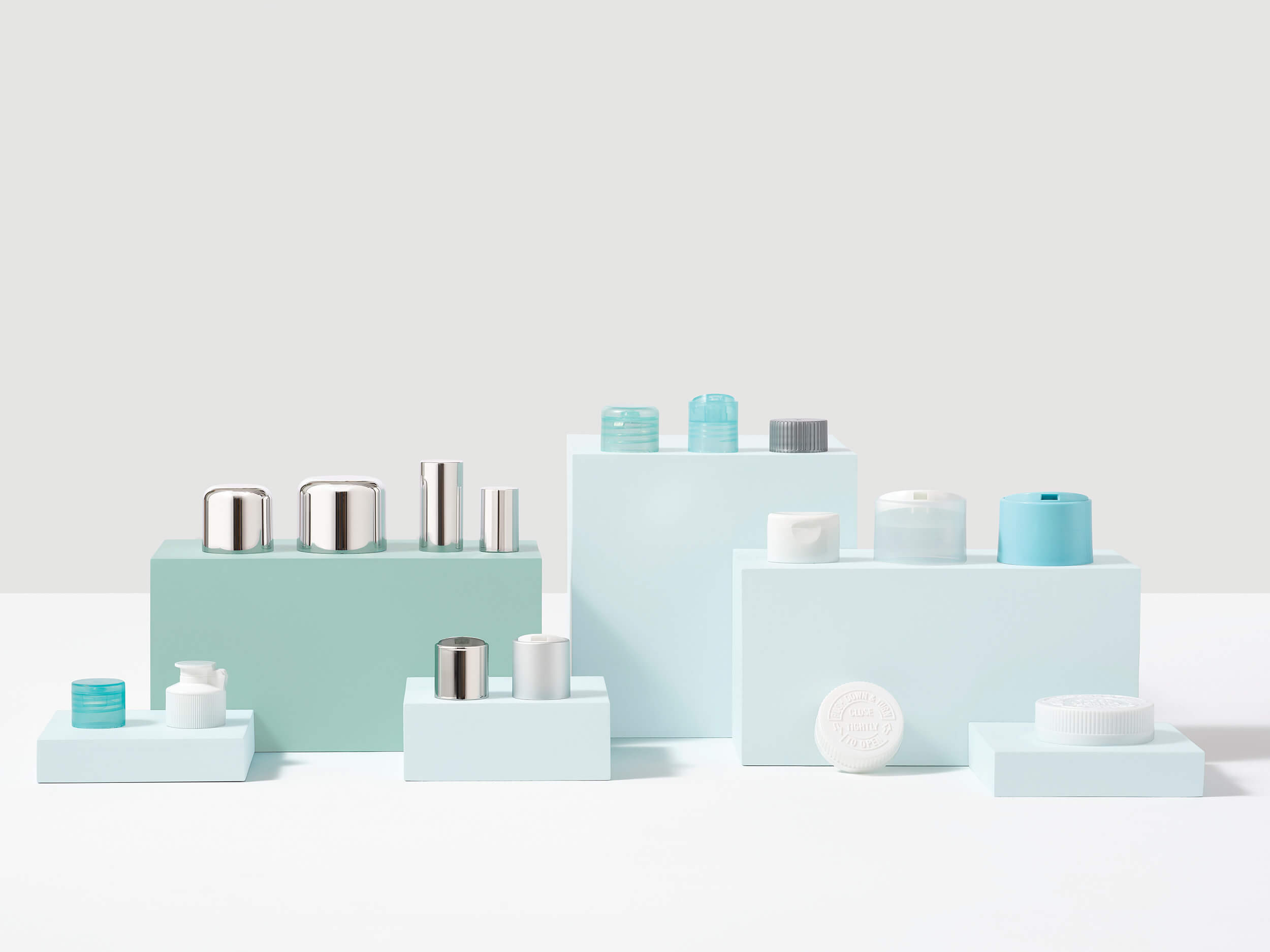
Plastic Caps & Closures
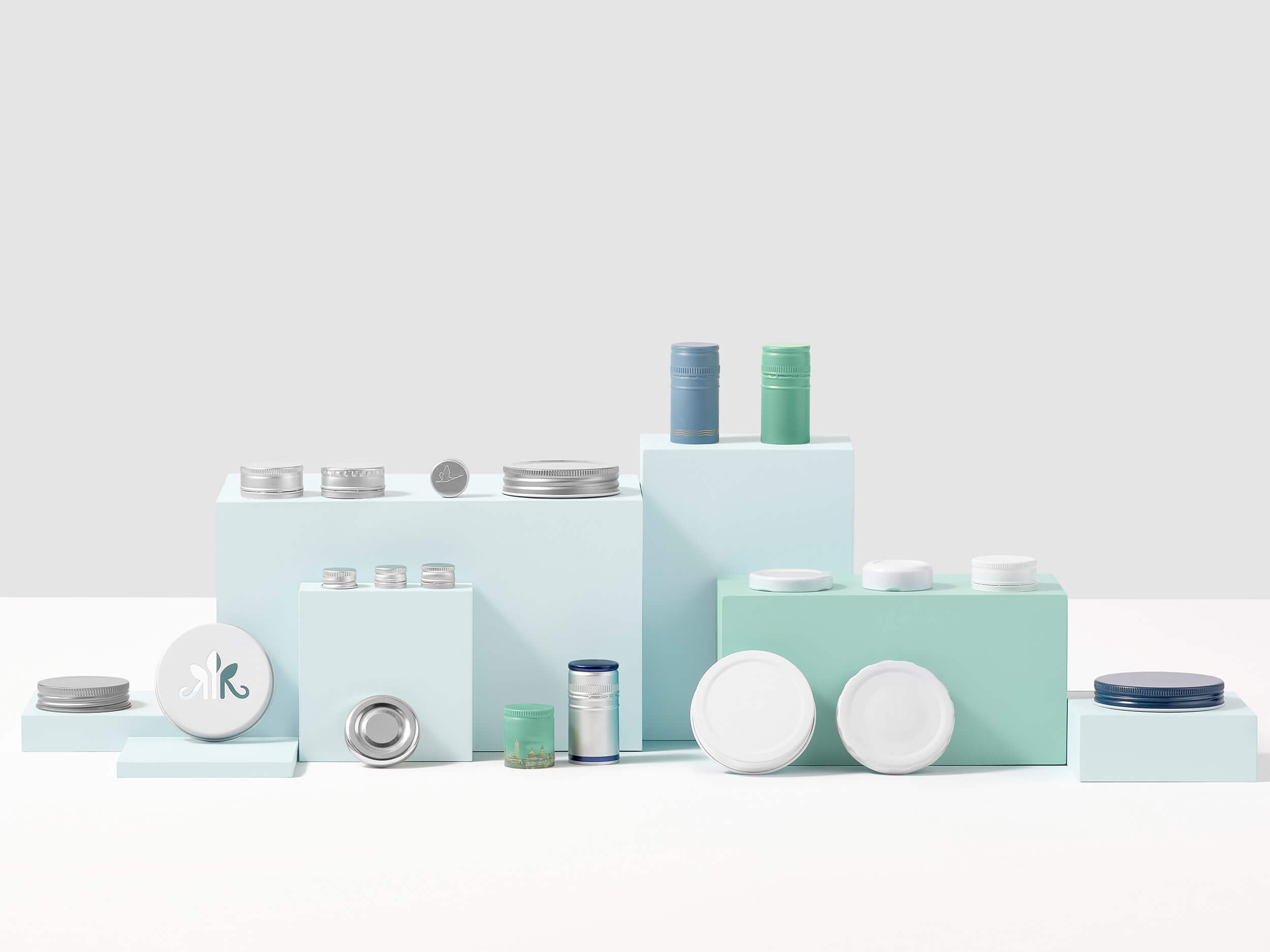
Metal Caps & Closures

Cosmetic Packaging

Get Started
Let's get the conversation started.
Tell us a bit about you, and our team will reach out as soon as possible.