

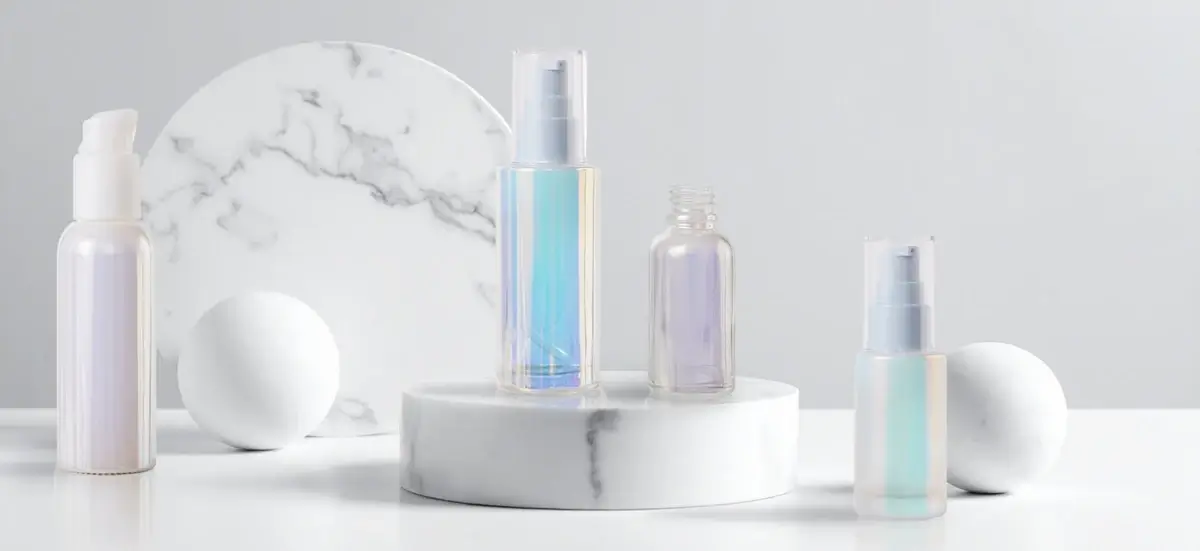

Optical Coating
Optical coating is a high-performance surface decoration method that applies thin-film layers to create iridescent or light-enhancing effects. This technique enables the creation of vibrant, multi-tone finishes, pearlescent sheens, and holographic visuals that elevate product aesthetics and differentiate premium packaging lines. Optical coating enhances shelf appeal, supports sophisticated branding effects that are difficult to achieve with standard inks, and offers design versatility across curved and flat surfaces.
Advantages

Striking Effects
Creates iridescent or pearlescent finishes that shift color under different light, adding a unique touch and subtle elegance.
Design Versatility
Works well for full coverage or selective patterns on flat, curved, or textured surfaces, allowing for both standout and understated effects.
Optical Depth
Delivers smooth, high-clarity coatings with optical depth and shimmer, which is not achievable with traditional printing.
Long-Term Performance
Built to last, these coatings resist wear, sunlight, and chemicals, so they stay looking fresh over time.

Process
Optical coating decoration follows a structured, multi-step process to deposit ultra-thin, light-responsive layers that create iridescent, pearlescent, or metallic effects on packaging surfaces. Each stage is critical for achieving uniform visual impact, strong adhesion, and long-lasting performance.

Design and Coating Specification
The process begins with defining the desired optical effect, such as iridescence strength, color shift angle, and base material compatibility. Coating material selection, such as niobium oxide or silicon oxide, is based on target refractive properties. Visual samples and performance goals are reviewed to ensure alignment with brand aesthetics.

Layer Control and Build-Up
Multiple thin layers may be applied sequentially to build complex optical interference stacks. The thickness and order of these layers determine the final color shift, brilliance, and angle-dependent effects. Coating parameters are precisely controlled to ensure consistency across the entire batch.

Optional Additional Decoration
Secondary decoration techniques such as silk screen printing, metallic stamping, or labeling can be applied before or after optical coating. Process sequencing is managed to avoid interfering with coating adhesion or altering the optical finish.

Coating Application
Products are mounted onto a rotary fixture inside a vacuum chamber. Under high-vacuum conditions, an electron beam vaporizes the target material. Vaporized particles condense uniformly on the product surface, forming an ultra-thin optical layer. A single cycle can coat 3,000–4,000 items in approximately 3–4 hours.

Curing or Cooling
After application, products are gradually cooled and removed from the chamber. Depending on coating type, post-process curing (e.g., air drying) may be applied to lock in film properties and improve durability.

Quality Control
Each coated product is inspected for color consistency, coating uniformity, and visual defects like streaking or pinholes. Adhesion, abrasion, and lightfastness tests are conducted to verify coating performance.
By following these steps, optical coating decoration creates vivid, high-quality finishes that stand out and hold up well over time – a great fit for luxury skincare and other premium packaging.
Applications
Optical coating is used in personal care and cosmetic packaging for its ability to create captivating, light-responsive finishes that elevate shelf presence and communicate a high-end brand image.

Glass
Cosmetic Bottles
Cosmetic Jars
Dropper Bottles
Optical coating is an advanced decoration method to create iridescent, pearlescent, or metallic effects using ultra-thin film layers – great for premium products that need a luxurious, modern, or eye-catching look. At Evergreen Resources, we focus on delivering even, high-clarity coverage that works well on complex shapes and holds up under everyday handling and environmental wear.
Related Products
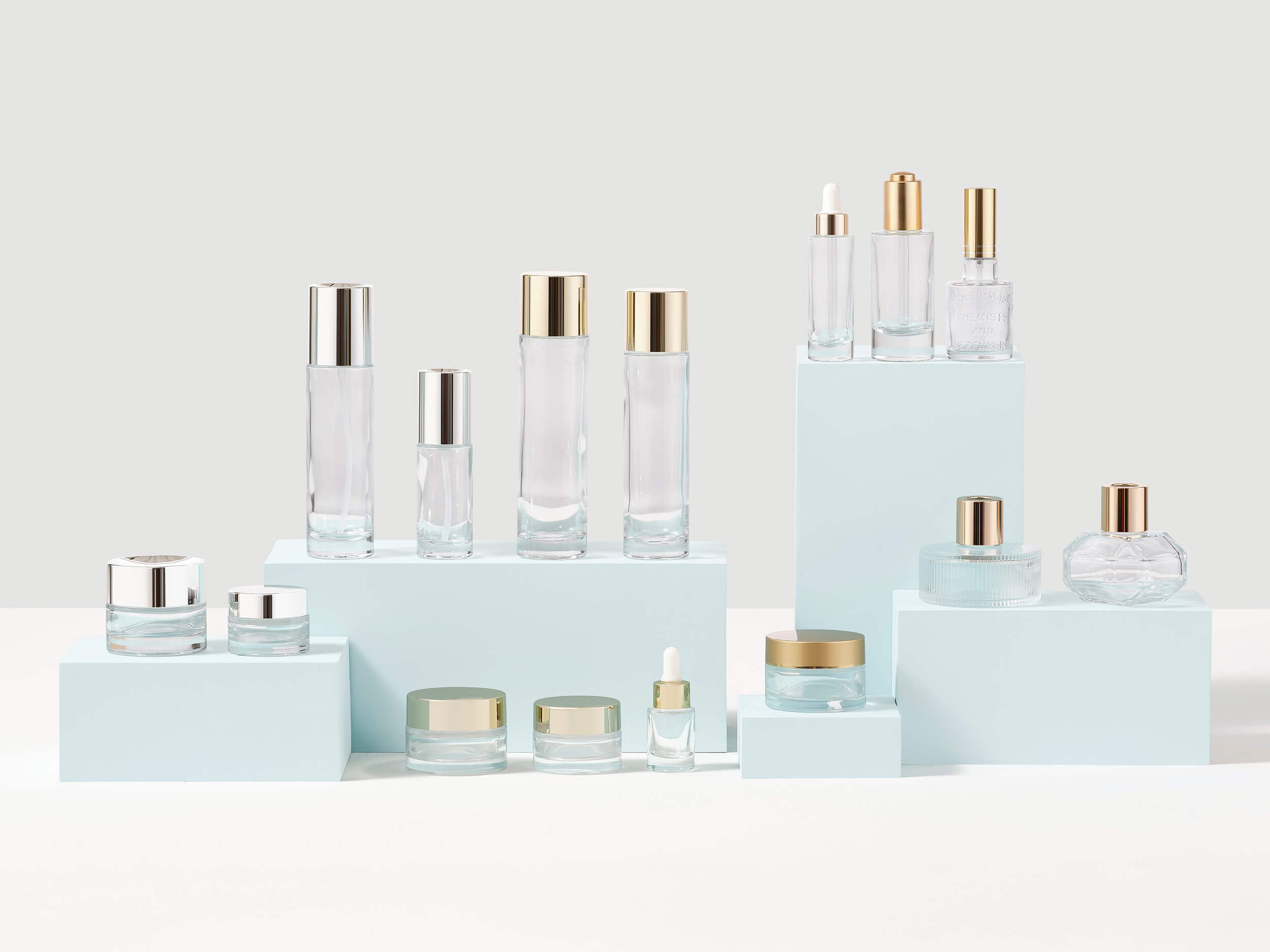
Cosmetic Glass

Cosmetic Packaging

Solid Stick Packaging

Get Started
Let's get the conversation started.
Tell us a bit about you, and our team will reach out as soon as possible.