


Silkscreen Printing
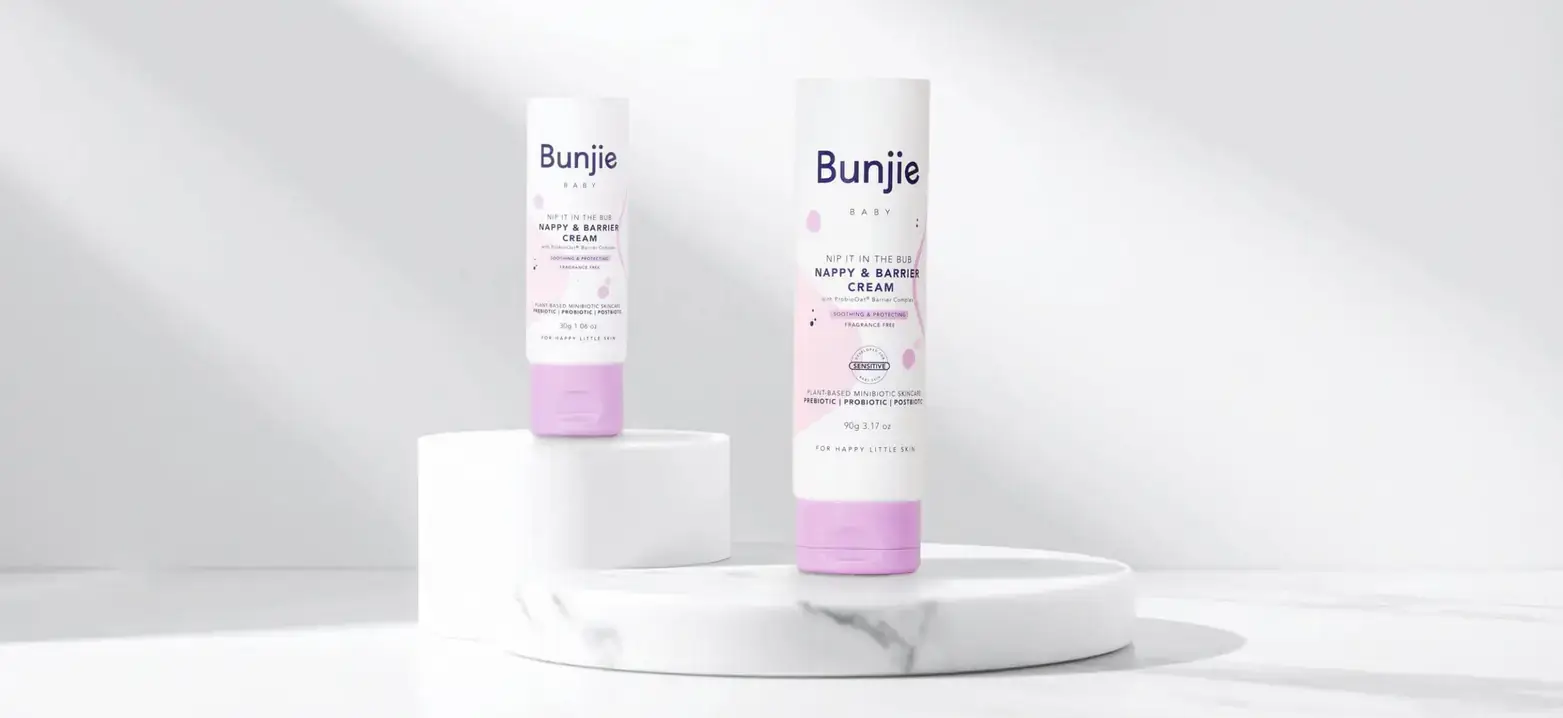
Silkscreen printing is a decoration technique that uses a mesh screen and stencil to transfer ink onto a surface. It is commonly used for plastic tubes, plastic bottles and jars, glass bottles and jars, and aluminum bottles. In this process, ink is pushed through open areas of the stencil, with one pass per color. Multi-color designs require multiple screens. Silkscreen printing creates vibrant, durable prints with a distinct texture and is compatible with a variety of materials.
Advantages

Vibrant and long-lasting colors
Thick ink application results in bold, opaque colors that remain vivid over time.
Unique textured touch
Prints have a slightly raised and smooth finish, adding to the premium feel of the packaging.
Durable and wash-resistant
The ink bonds deeply with the material, preventing cracking, peeling, or fading over time.
Cost-effective for large runs
After initial setup, bulk printing becomes highly cost-effective with consistent premium quality.

Process
Silkscreen printing follows a multi-step process to ensure precise, high-quality results. Each stage is essential in transferring the design onto the packaging with accuracy.

Design Preparation
The process begins with preparing the design to be printed. The design must be created in a way that separates each color into different layers, as each color requires a separate screen. Once finalized, the design is printed onto a transparent film, which will be used to expose the screen.

Photo Emulsion Application
To create a stencil for the design, a light-sensitive emulsion is applied evenly across the screen. The emulsion must be spread in a smooth and thin layer, ensuring no gaps or streaks. Once applied, the screen is left to dry in a dark environment to prevent premature exposure to light.

Printing Setup
In a factory setting, the screen printing process is highly structured to ensure precision and efficiency. Once the stencil is prepared, the screen is mounted onto a printing press, which can be either an automatic or semi-automatic system, depending on production scale and requirements.
For multi-color printing, multiple screens are set up in sequence, each responsible for applying a specific color. Proper orientation is crucial, ensuring that each layer aligns perfectly to prevent misalignment or color overlap. This is achieved through orientation marks that guide the positioning of both the screens and the material being printed.

Curing the Print
After the ink has been applied, the printed packaging must be cured to ensure durability. This is typically done by heat-setting the ink using a conveyor dryer, heat press, or infrared curing system. Proper curing ensures the ink bonds well with the material, making the print resistant to washing, fading, and wear.

Screen Selection and Preparation
A fine mesh screen is selected based on the material being printed and the level of detail in the design. The mesh is typically made of polyester, though silk was historically used, hence the term "silkscreen." The screen is tightly stretched over a wooden or metal frame to ensure stability.

UV Exposure
Once the emulsion is dry, the transparent film containing the design is placed over the screen, and the entire setup is exposed to a strong UV light source. The light hardens the emulsion in all areas except where the black parts of the film have blocked it, revealing the stencil of the design.

Applying Ink and Printing
A thick layer of ink is placed at one end of the screen. Using an application tool, the ink is pulled across the screen, forcing it through the open areas of the stencil onto the material below. For multi-color designs, each layer is allowed to dry before repeating the process with the next screen. Precision is crucial to align each layer correctly and avoid misprints.

Finishing Touches and Quality Control
Once cured, the final product is inspected for any smudges, ink inconsistencies, or alignment issues. The finished product is packaged and prepared for shipping.
By following these steps, silkscreen printing produces high-quality, premium artwork suitable for a variety of applications.
Applications
Silkscreen printing is widely used in personal care, home care, and pharmaceuticals due to its durability, versatility, and vibrant quality. Some of the most common products include:
Plastic
Plastic Bottles & Jars
Soft Tubes
Deodorant and Lipsticks
Cosmetic Packaging
Pouches and Bags

Glass
Glass Bottles & Jars
Pharmaceutical Bottles & Jars

Metal
Aluminum Bottles
Tin Boxes & Jars
Silkscreen printing is a highly effective decoration technique that produces vibrant, durable, and richly textured prints – an excellent choice for premium packaging. At Evergreen Resources, we specialize in advanced silkscreen printing, delivering precise, high-quality results across a wide range of materials. This makes silkscreen ideal for brands that want exceptional durability and a truly premium finish.
Related Products

Tube Packaging

Solid Stick Packaging
Cosmetic Glass

Get Started
Let's get the conversation started.
Tell us a bit about you, and our team will reach out as soon as possible.